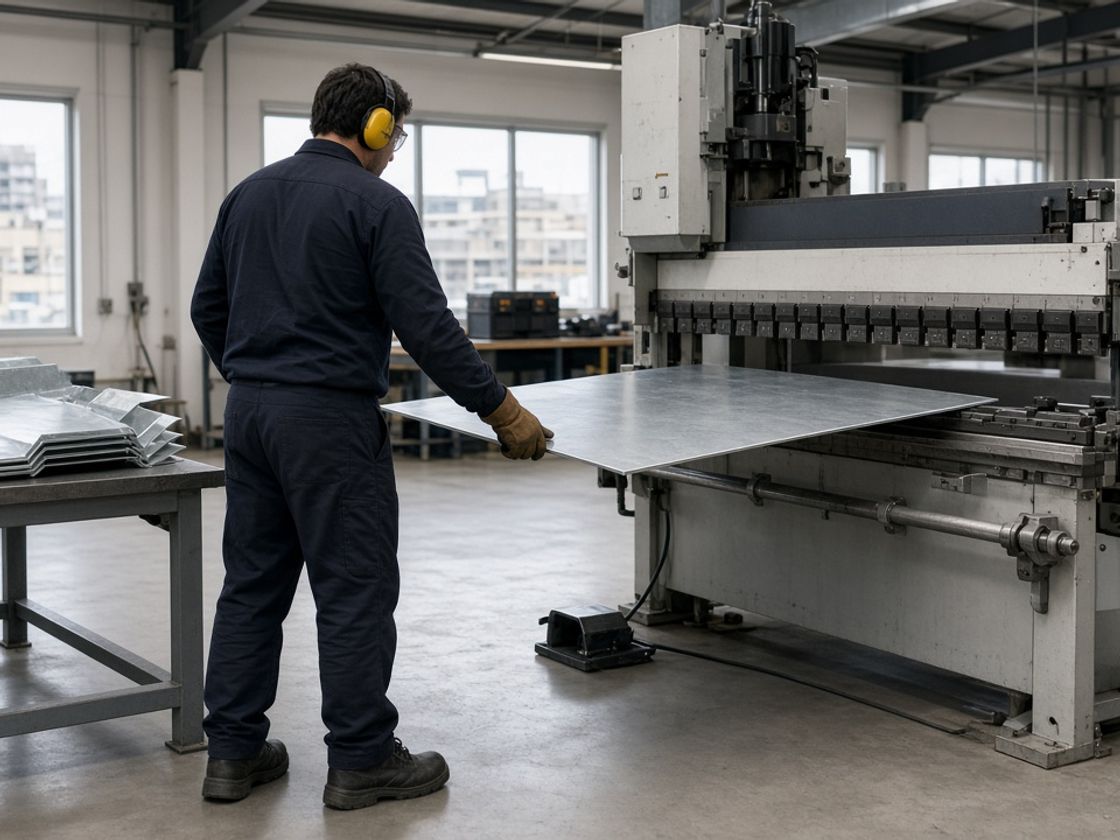
Typical duties
- Read drawings and work out the material and tooling needed
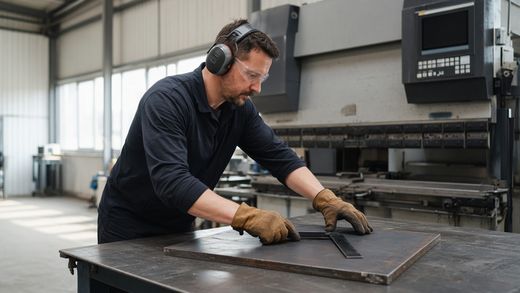
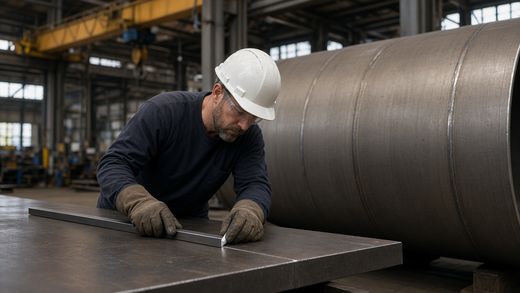
- Mark out sheet metal using templates and measuring tools
- Cut metal with guillotines, shears, plasma and laser machines
- Fold and form parts on press brakes, rollers and benders
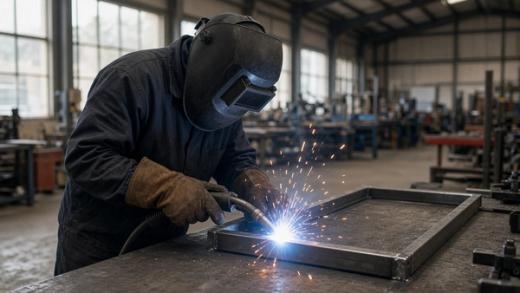
- Weld, rivet, solder or fasten parts into finished assemblies
- Check sizes, angles and finish against the drawing
- Install ducting, flashings and cladding on site
- Follow machine guarding, manual handling and hot work rules
Skills, licences & tickets
- Certificate III in Engineering - Fabrication Trade (sheetmetal working)
- Reading engineering and shop drawings
- Press brake and guillotine operation
- Welding or soldering skills for thin material
- Accurate measuring and maths for flat patterns
- Dogging or rigging ticket for site installation, where required
A sheet metal worker marks out, cuts, folds, forms and joins thin metal sheet into finished products. This sheet metal worker job description covers the duties, the qualification and the tickets employers expect, and how pay is set.
The metals involved include galvanised iron, mild steel, stainless steel, aluminium and copper. Typical products are ventilation ducting, roofing and cladding, kitchen and food equipment, enclosures, tanks and machine guards.
What does a sheet metal worker do?
Most jobs start with a drawing or a flat pattern. The worker selects the right gauge and grade of sheet, marks it out and cuts it. The cut parts are then folded or rolled to shape and joined by welding, riveting, soldering or fasteners.
Quality counts at every step. A duct that is out by a few millimetres will not fit, and a folded panel with the wrong bend will be rejected. Sheet metal workers check each part against the drawing before it moves on.
Workshop and site work
- Workshop fabrication covers ducting, enclosures, benches and food-grade stainless steel equipment.
- On-site installation covers roofing, flashings, cladding and ducting fitted in buildings.
- Specialist work includes architectural metalwork and components for vehicles and aircraft.
Skills and tickets employers look for
The standard qualification is a Certificate III in Engineering - Fabrication Trade with a sheetmetal working specialisation. Employers also look for experience on press brakes, guillotines and CNC cutting equipment, plus clean welds on thin material. Safe machine use matters, because folding and cutting machines cause serious hand injuries when guarding is bypassed.
On-site installers often need a construction induction card, and some lifts need a dogging licence. WorkSafe Victoria lists the classes in its high risk work licence information. A tidy record of your qualifications and tickets helps, and the qualified trades resume template and guide shows how to present them.
Pay, hours and employment types
Sheet metal work is offered as permanent, contract and labour hire roles. Pay is commonly set under the Manufacturing award, which lists sheet metal work as part of metal work, or under an enterprise agreement. Site installers working on building projects may fall under the Building and Construction award instead.
Jobs and Skills Australia shows no median earnings figure for the sheetmetal trades workers group because the group is small, so we do not quote one. Check the classification, overtime rates and allowances in writing before you accept a job.
How to become a sheet metal worker
The usual pathway is an apprenticeship through a training contract. Experienced workers without a certificate can seek a formal trade recognition assessment. Many people also start as fabrication assistants and learn on the job. Once qualified, you can move toward estimating, CNC programming, supervision or fabricator roles. Chandler Personnel recruits for these jobs through its trades and services recruitment service.
Related Resources
- Qualified trades resume template and guide
- Welder resume template
- Trades and services recruitment in Melbourne
- Licence and ticket tracker
- Hiring boilermakers in Australia
- Sheetmetal trades workers profile from Jobs and Skills Australia
Frequently Asked Questions
What does a sheet metal worker do?
A sheet metal worker marks out, cuts, folds, forms and joins thin metal sheet to make products such as ducting, cladding, enclosures and equipment.
Is a sheet metal worker the same as a boilermaker?
No. Sheet metal workers handle thin sheet and light gauge parts. Boilermakers work mainly with heavy plate and structural sections.
What qualification do you need to be a sheet metal worker?
Most employers want a Certificate III in Engineering - Fabrication Trade with a sheetmetal working specialisation, usually gained through an apprenticeship.
Is sheet metal work done in a workshop or on site?
Both. Fabrication happens in a workshop, while installation of roofing, cladding and ducting happens on building sites.
Accurate Parts Build a Strong Reputation
Sheet metal employers value people whose parts fit the first time. When you are ready, see current trade roles on the job board or submit your CV.