Typical duties
- Read engineering drawings and fabrication details
- Mark out and cut heavy steel plate and sections
- Roll, press and form plate into shape
- Fit up and align large assemblies
- Weld structural and pressure components
- Check welds and dimensions against the drawing
- Rig and lift assemblies with cranes
- Work safely with hot work, heights and confined spaces
Skills, licences & tickets
- Certificate III in Engineering (Fabrication Trade)
- Weld tests or certification to the standard required
- Reading engineering drawings and weld symbols
- Dogging, rigging and crane tickets
- Working at heights and confined space tickets
- Safe hot work and fume control
A boilermaker marks out, cuts, shapes, fits and welds heavy steel plate and sections. This boilermaker job description explains the duties, the tickets and tests employers expect and the pay, so you can see how the trade works.
Despite the name, most boilermakers today work on much more than boilers. They build tanks, silos, pressure vessels, structural steel, mining equipment and large industrial frames.
What does a boilermaker do?
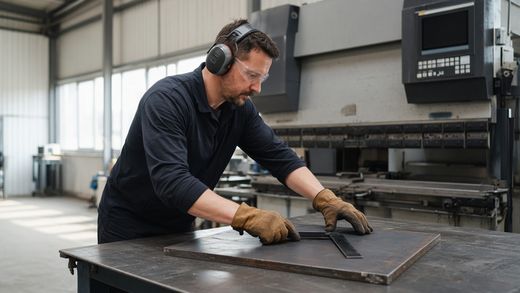
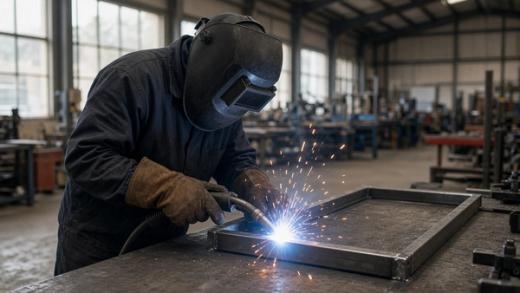
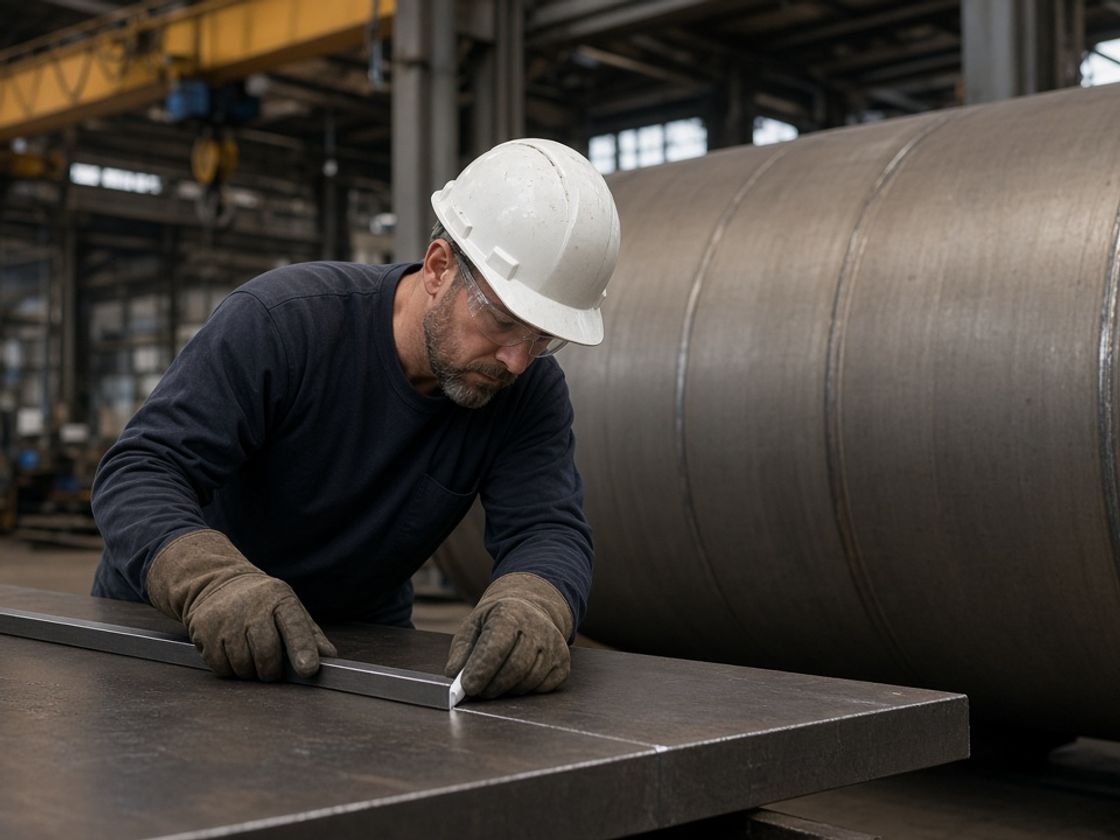
The job starts with a drawing. The boilermaker marks out the plate, cuts it with a plasma cutter or other equipment and forms it on rolls or a press. They then fit the parts together, check alignment and weld the assembly.
Large components are lifted with cranes, so boilermakers work with riggers and crane operators. They also work at heights, in confined spaces and in plant shutdowns where deadlines are tight.
Where boilermakers work
- Fabrication workshops build vessels, tanks and structural steel.
- Mining and resources need wear plate, chutes and heavy equipment repairs.
- Construction uses boilermakers for structural steel erection.
- Maintenance shutdowns use them to repair plant and pressure equipment.
Skills and tickets employers look for
Employers look for a Certificate III in Engineering (Fabrication Trade), a record of heavy fabrication and weld tests for the process and material. Dogging, rigging, crane, working at heights and confined space tickets are common. WorkSafe Victoria lists rigging and crane classes in its high risk work licence information. The hiring boilermakers guide shows how employers assess these skills.
Pay, hours and employment types
Boilermaker work is offered permanent, contract and labour hire, and overtime and shutdown shifts are common. Pay is commonly set under the Manufacturing award, the Building and Construction General On-site Award or an enterprise agreement.
In the national occupation classification, boilermaker-welder is a specialisation of metal fabricator, which sits in the structural steel and welding trades group. Jobs and Skills Australia reports median full-time earnings of about $1,688 a week and $44 an hour for that group in May 2025, in its group profile. Individual boilermaker pay depends on the site, allowances and overtime.
How to become a boilermaker
The standard pathway is an apprenticeship in fabrication. Many people start as fabrication assistants and progress. A clear list of weld tests, tickets and heavy fabrication experience on your resume is important, and the welder resume template and qualified trades resume guide show how.
Related Resources
- Welder resume template
- Qualified trades resume template and guide
- Trades and services recruitment in Melbourne
- Licence and ticket tracker
- Hiring boilermakers in Australia
- Structural steel and welding trades workers profile from Jobs and Skills Australia
Frequently Asked Questions
What does a boilermaker do?
A boilermaker builds and repairs large steel structures and vessels by marking out, cutting, forming, fitting and welding heavy plate and sections.
Is a boilermaker the same as a welder?
No. Welding is part of the boilermaker's trade, but the boilermaker also reads drawings, cuts, forms and fits large assemblies.
What tickets does a boilermaker need?
Common tickets include rigging, dogging, crane, working at heights and confined space, plus weld tests for the process and material.
How long does it take to become a boilermaker?
An apprenticeship in fabrication usually takes about four years, depending on the training contract and any prior experience.
Heavy Plate Rewards Proven Skill
The more weld tests, tickets and heavy fabrication you can prove, the more jobs open up. When you are ready, see current trade roles on the job board or submit your CV.