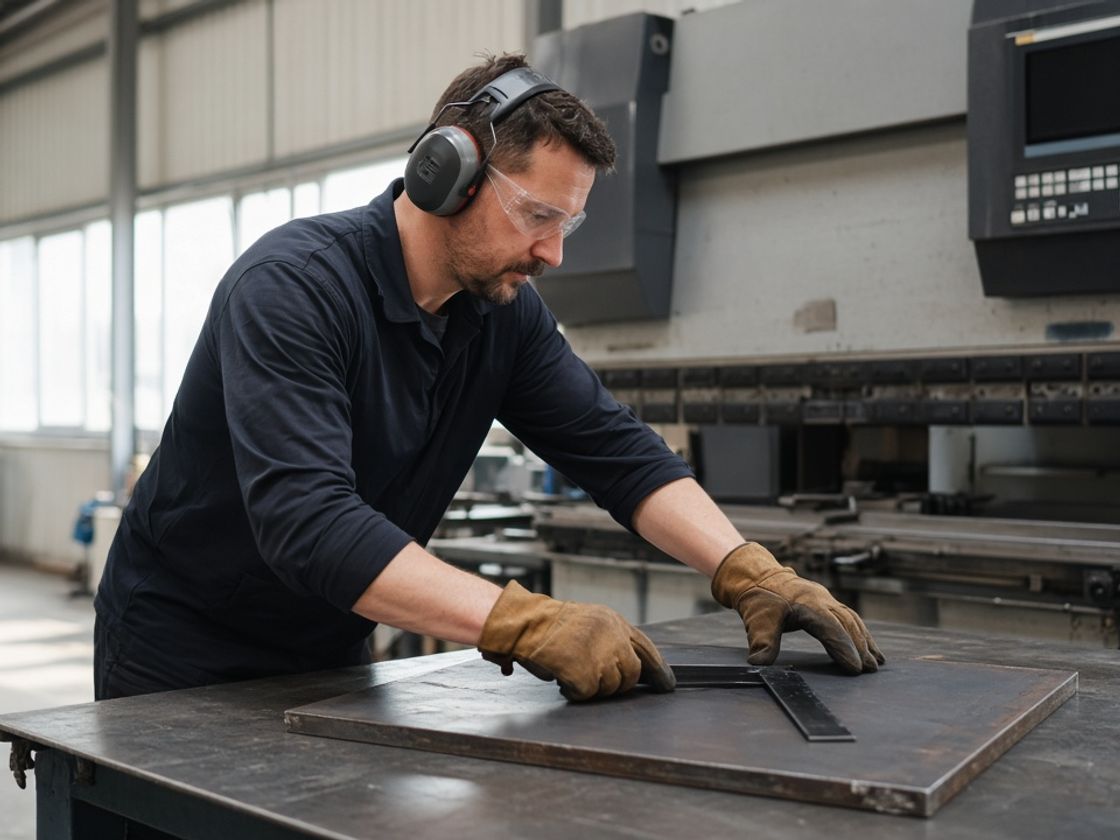
Typical duties
- Read engineering drawings and cut lists
- Mark out, cut and shape metal using saws, plasma and guillotines
- Bend and form parts on a press brake or rolls
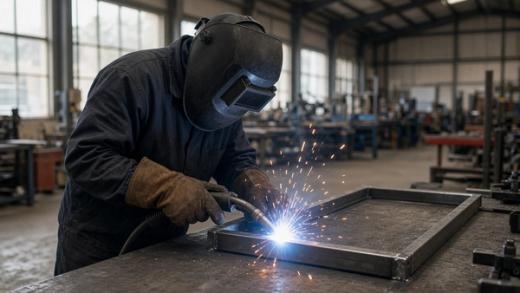
- Fit up parts to the drawing and tack weld them
- Weld and finish assemblies
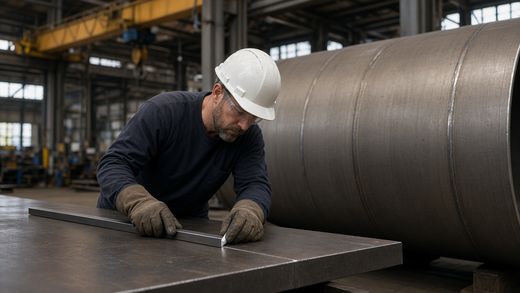
- Check dimensions and squareness
- Grind, clean and prepare surfaces
- Work safely with heavy material and hot work
Skills, licences & tickets
- Certificate III in Engineering (Fabrication Trade) or equivalent
- Reading engineering drawings and weld symbols
- Marking out and measuring accurately
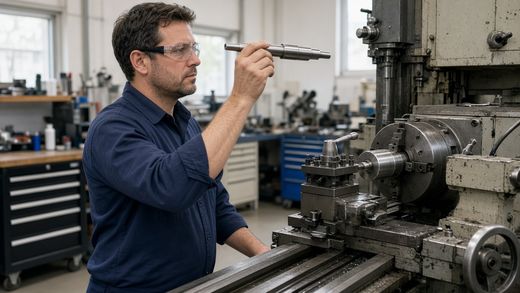
- Use of press brakes, guillotines, rolls and cutting equipment
- Welding to the standard required
- Overhead crane and rigging awareness
A fabricator cuts, forms, fits and joins metal into finished products and structures. This fabricator job description explains the daily work, the trade background employers look for and how fabrication differs from welding.
Fabricators work in workshops and factories making items such as frames, tanks, ducting, guards, machine parts and structural components. The job combines reading drawings, using cutting and forming machines and welding.
What does a fabricator do?
The job starts with a drawing and a cut list. The fabricator marks out the material, cuts it with a saw, plasma cutter or guillotine, and forms it on a press brake or rolls. They then fit the parts to the drawing, tack them in place, check the dimensions and weld the assembly.
Finishing work follows: grinding, cleaning and a final check against the drawing. Accuracy matters because a part that is out of square will not fit when it reaches site.
Fabricator, welder and boilermaker
- Fabricator builds parts from drawings and covers cutting, forming, fit-up and welding.
- Welder specialises in the welding process and weld quality.
- Boilermaker is a fabrication specialist who works on heavy plate, pressure vessels and structural steel.
Skills and tickets employers look for
Employers look for a trade qualification, drawing reading and a proven weld. Experience on press brakes, guillotines and plate rolls is valued. Many roles ask for crane, rigging or elevated work platform tickets as well, and the licence and ticket tracker helps you keep them organised.
Safe machine use is a daily requirement. The Safe Work Australia guide to managing the risks of plant covers guarding and isolation.
Pay, hours and employment types
Fabrication work is offered permanent, contract and casual, with overtime common on busy jobs. Pay is commonly set under the Manufacturing and Associated Industries and Occupations Award or an enterprise agreement.
Jobs and Skills Australia reports median full-time earnings of about $1,688 a week and $44 an hour for structural steel and welding trades workers in May 2025, in its metal fabricators profile and group overview. Pay depends on your classification, tickets and site.
How to become a fabricator
Most fabricators complete an apprenticeship. Some start as fabrication assistants, learn the machines and take a trade qualification later. The welder resume template and the qualified trades resume guide help you present the machines and processes you know.
Related Resources
- Welder resume template
- Qualified trades resume template and guide
- Trades and services recruitment in Melbourne
- Must-have skills as a welder
- Metal fabricators profile from Jobs and Skills Australia
- Manufacturing award summary from Fair Work Ombudsman
Frequently Asked Questions
What is the difference between a fabricator and a welder?
A fabricator builds a part from a drawing by cutting, forming, fitting and welding. A welder concentrates on the welding itself.
Do I need a trade qualification to work as a fabricator?
Most employers ask for a Certificate III in Engineering (Fabrication Trade) or a proven work record. Some hire fabrication assistants and train them.
What machines does a fabricator use?
Common machines include saws, plasma cutters, guillotines, press brakes, plate rolls, drills and welding equipment.
Is fabrication work heavy?
It can be. Fabricators handle plate and sections, use cranes and work with hot metal, so manual handling and hot work safety are essential.
Accurate Fit-Up Saves the Job
A well-fitted part makes the weld easy and the install quick. If you hold a fabrication trade, see current trade roles on the job board or submit your CV.