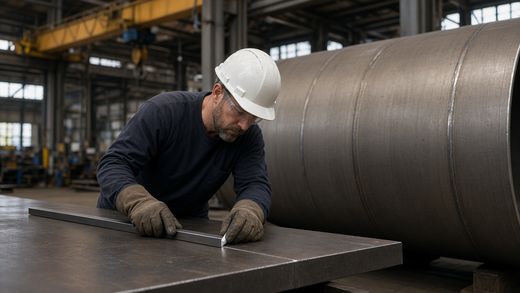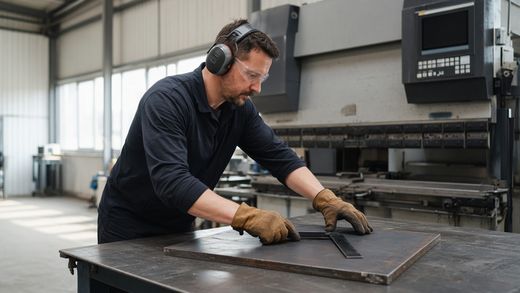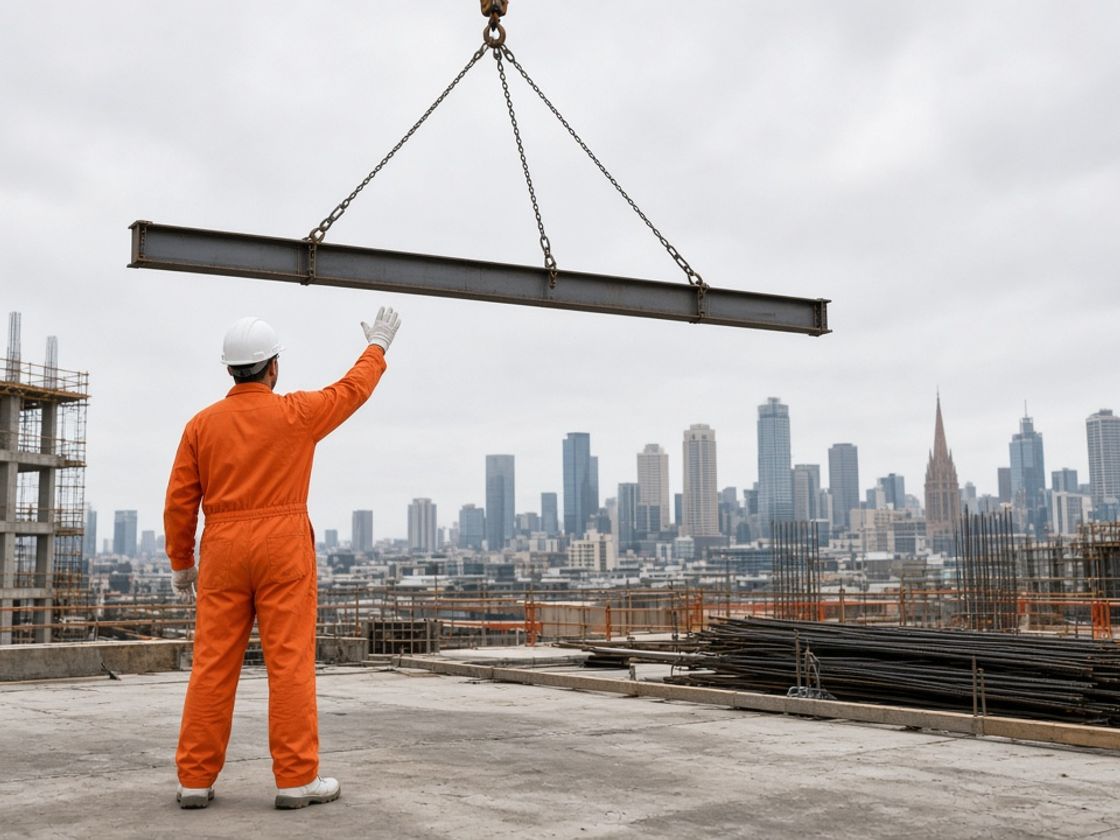
Typical duties
- Inspect slings, shackles, chains and other lifting gear
- Work out load weight and the right way to sling it
- Attach lifting gear to loads and lifting points
- Direct the crane or hoist operator with clear signals
- Set up rigging for lifts of plant, steel and equipment
- Keep people clear of the lift zone
- Set loads down and remove the gear
- Report damaged gear and unsafe conditions
Skills, licences & tickets
- Dogging high risk work licence (DG)
- Rigging licences for more complex work (RB, RI, RA)
- Construction induction (white card) for building sites
- Knowledge of load weights and sling angles
- Clear hand signals and radio communication
- Awareness of other crews and hazards in the lift zone
A rigger and dogger prepares loads for lifting, slings them and guides the crane or hoist operator. This rigger and dogger job description covers the work, the high risk work licences WorkSafe Victoria issues and how people start in the trade.
Doggers and riggers work in construction, steel fabrication, mining, shutdowns and heavy manufacturing. Almost every lift of a heavy item involves one of them.
What does a rigger and dogger do?
The job begins before the lift. The worker checks the load, works out its weight and chooses the right slings, shackles and attachments, then inspects each item for damage. Loads are attached at the correct lifting points and the lift zone is cleared.
WorkSafe Victoria defines dogging work as applying slinging techniques that need judgement, including selecting and inspecting lifting gear, or directing a crane or hoist operator when the load is out of the operator's view. Riggers do this and also set up more complex lifting arrangements.
Licence levels
- Dogging (DG) covers slinging loads and directing the operator.
- Basic rigging (RB) is the first rigging level.
- Intermediate rigging (RI) covers more complex rigging work.
- Advanced rigging (RA) is the highest level.
Skills and tickets employers look for
A current licence is the first thing an employer checks. WorkSafe Victoria explains that a person performing dogging work must hold a dogging licence, and it regards people with DG or a rigging licence (RB, RI or RA) as suitably licensed to specify slinging methods. The full class list is in its high risk work licence information.
Match the licence to the job. The high risk work licence classes guide shows how hosts match machines to tickets. Keep your cards in order with the licence and ticket tracker. Construction sites also need a white card.
Pay, hours and employment types
Rigger and dogger roles are offered as permanent, contract and labour hire, with shutdown and overtime work common. Pay is commonly set under the Building and Construction award for on-site work, the Manufacturing award in workshops or an enterprise agreement.
The national occupation classification places construction riggers and doggers together, as the Jobs and Skills Australia construction rigger profile shows. It does not give a clean median pay figure for the role, so we do not quote one. Confirm your classification, licence allowance and overtime rates in writing.
How to become a rigger and dogger
Complete training with a registered training organisation, pass the assessment and apply for the licence through WorkSafe. Many people start with a dogging licence and add rigging levels as they gain experience. Chandler Personnel recruits for trades and services roles through its trades and services recruitment service.
Related Resources
- High risk work licence classes: match the machine to the ticket
- Licence and ticket tracker
- Trades and services recruitment in Melbourne
- Hiring boilermakers in Australia
- Dogging and slinging techniques from WorkSafe Victoria
- High risk work licence information from WorkSafe Victoria
Frequently Asked Questions
What is the difference between a rigger and a dogger?
A dogger slings loads and directs the crane operator. A rigger does that and also sets up more complex lifting arrangements, and holds a rigging licence at the matching level.
Do you need a licence to be a dogger in Victoria?
Yes. Under Victoria's OHS Regulations 2017, a person performing dogging work must hold a dogging high risk work licence, with limited exceptions for certain crane licence holders.
What are the rigging licence classes?
WorkSafe Victoria issues basic rigging (RB), intermediate rigging (RI) and advanced rigging (RA) licences, plus the separate dogging licence (DG).
Is dogging work dangerous?
It is high risk work, which is why a licence is required. Safe work depends on sound gear, correct slinging, clear signals and keeping people out of the lift zone.
Licensed Lifters Keep Sites Moving
Every heavy lift on site depends on someone who knows the gear and the signals. When you are ready, see current trade roles on the job board or submit your CV.