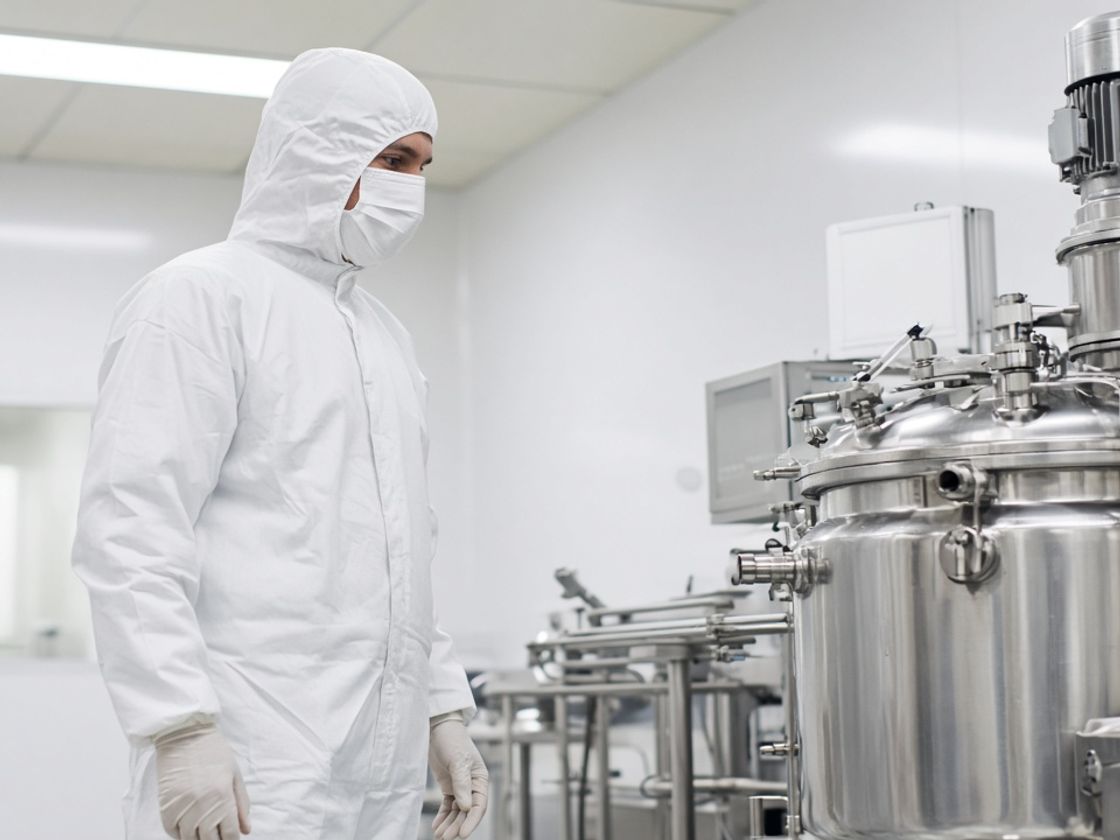
Typical duties
- Prepare equipment and rooms for production
- Gown correctly for the cleanroom
- Operate mixing, filling, tableting or packing equipment
- Follow batch records step by step
- Record weights, times and checks accurately
- Clean and sanitise equipment between batches
- Report deviations to a supervisor straight away
- Follow Good Manufacturing Practice at all times
Skills, licences & tickets
- Understanding of Good Manufacturing Practice
- Strict attention to detail
- Accurate, legible record keeping
- Comfort working in gowning and cleanrooms
- Following written procedures exactly
- Reliable attendance and teamwork
A pharmaceutical production operator makes and packs medicines in a controlled environment. This pharmaceutical production operator job description explains what the work involves, how Good Manufacturing Practice shapes it and how to begin a career in pharma manufacturing.
Pharmaceutical sites make tablets, capsules, creams, liquids and sterile products. Every step follows a written procedure, and every action is recorded.
What does a pharmaceutical production operator do?
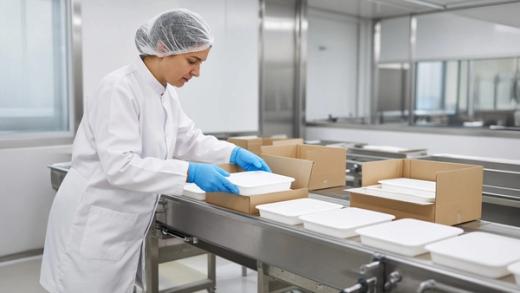
The operator prepares the room and equipment, checks that materials are correct and follows the batch record. They run the mixing, filling, tableting or packing equipment and record each stage. After the batch, they clean and sanitise the equipment so the next batch is not contaminated.
If anything differs from the procedure, the operator stops and reports it. Honesty about errors is valued, because a reported deviation can be investigated and fixed.
Good Manufacturing Practice
Good Manufacturing Practice, or GMP, is the set of standards that makes sure medicines are consistently made and controlled to quality standards. In Australia, the Therapeutic Goods Administration regulates medicine manufacturing and licenses manufacturers who meet GMP.
Skills and tickets employers look for
Employers look for reliability, careful reading and clean records. Previous work in pharmaceutical, food, laboratory or other regulated production is a plus. Many sites train new starters in GMP, gowning and documentation, so a willingness to follow procedures matters more than a specific qualification.
Pay, hours and employment types
Pharmaceutical operator roles are offered casual, contract and permanent, and some sites run shifts. Pay is commonly set by the Manufacturing award or an enterprise agreement, and varies with the employer and the classification.
How to become a pharmaceutical production operator
Look for entry level production roles at pharmaceutical manufacturers, and highlight experience with procedures, hygiene or quality checks. Once you are in, you can progress to senior operator, quality or team leader roles. The pharmaceutical recruitment page outlines the type of roles recruited in this industry.
Related Resources
- Pharmaceutical recruitment in Melbourne
- Production QA resume template
- Production worker resume template
- Warehouse and factory interview preparation pack
- Manufacturing medicines from the Therapeutic Goods Administration
- Manufacturing award summary from Fair Work Ombudsman
Frequently Asked Questions
What is GMP in pharmaceutical manufacturing?
GMP stands for Good Manufacturing Practice. It is the set of standards that makes sure medicines are made consistently and controlled to quality standards.
Do I need a science degree to work as a pharmaceutical production operator?
Not usually. Many operator roles need no degree, and employers train new starters in GMP and documentation.
What is gowning?
Gowning means putting on the protective clothing required in a cleanroom, such as coveralls, hoods, masks and gloves, in a set order to avoid contamination.
Can an operator move into quality?
Yes. Operators who record accurately and understand the process often move into quality control, quality assurance or team leader roles.
Follow the Procedure Exactly
In pharmaceutical production, careful beats quick every time. If you work that way, look at current pharmaceutical roles on the job board or submit your CV.