Typical duties
- Load packaging materials and product onto the line
- Monitor sealing, labelling and coding
- Check weights, counts and pack condition
- Remove faulty or damaged packs
- Complete line clearance and changeover checks
- Record batch details and production counts
- Clean the line to hygiene standards
- Follow personal hygiene and allergen rules
Skills, licences & tickets
- Food safety and personal hygiene awareness
- Attention to detail on labels and codes
- Ability to stand for long periods
- Basic machine operation
- Teamwork on a moving line
- Forklift licence is a bonus
A packaging operator runs and monitors the lines that pack food and consumer goods. This packaging operator job description explains the daily tasks, the hygiene rules and the opportunities that follow.
The work happens in food, beverage and consumer goods plants across Melbourne. Packaging is the last step before products leave the site, so accuracy and cleanliness matter.
What does a packaging operator do?
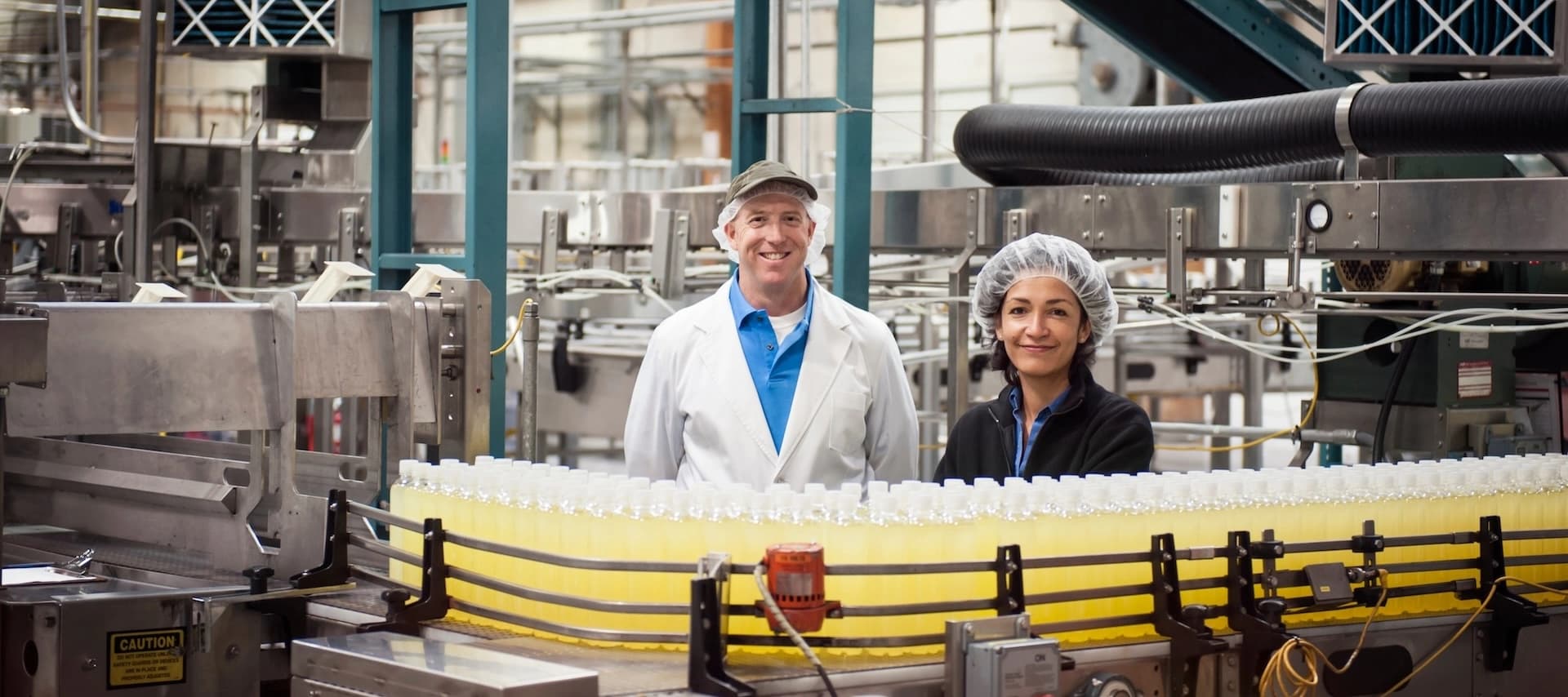
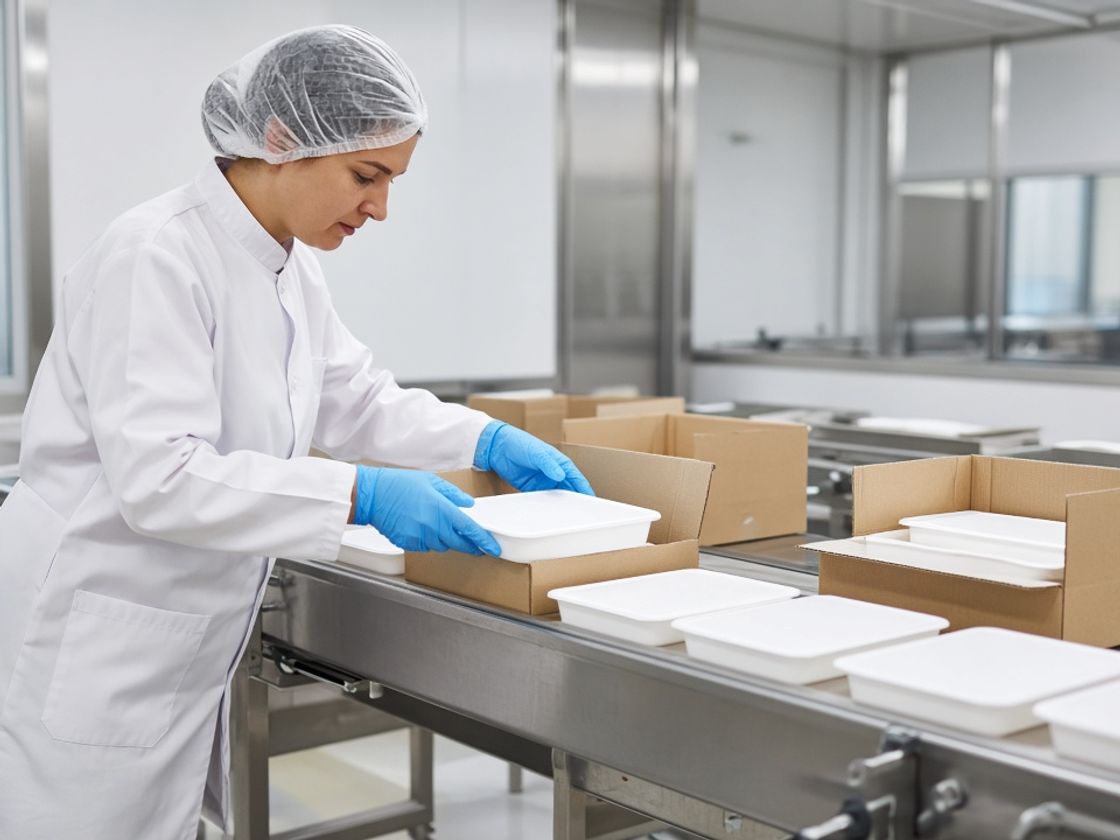
The operator stocks the line with film, trays, cartons and labels, then watches product move through sealing, coding and checking stations. They remove faulty packs, check weights and counts and record batch information.
Changeovers are a big part of the day. When the line switches to a new product, the operator clears the old packaging, checks the new labels and confirms the line is set up correctly before restarting.
Hygiene and allergen rules
Food plants follow strict hygiene rules: hairnets, clean clothing, no jewellery and regular handwashing. Allergen control stops one product contaminating another, so labels and line clearances are checked carefully. Food Standards Australia New Zealand sets the national food standards that sites build their procedures on.
Skills and tickets employers look for
Employers want reliable people who follow procedures and notice small errors. Food safety training is a plus, and a forklift licence helps where operators move pallets of packaging. Previous packing, factory or warehouse experience is helpful but not always required.
Pay, hours and employment types
Packaging operator work is offered casual, part-time and permanent, often on rotating shifts including early starts. Food and beverage manufacturing is commonly covered by the Food, Beverage and Tobacco Manufacturing Award or an enterprise agreement. Most awards add a 25 per cent loading for casual work, as the Fair Work guide to casual employment explains.
How to become a packaging operator
Apply for entry level production and packing roles and show that you can work steadily, follow instructions and keep a clean work area. After you gain experience, ask to be trained on the packing machines and the quality checks. That is the path to machine operator and leading hand roles.
Related Resources
- Food process worker resume template
- Food production recruitment in Melbourne
- Food production worker jobs
- First day on site checklist
- Food, Beverage and Tobacco Manufacturing Award summary
- Food Standards Australia New Zealand
Frequently Asked Questions
Do I need food safety training to be a packaging operator?
It is not always required to start. Many sites provide induction training, and a food safety certificate makes your application stronger.
Is packaging operator work repetitive?
Parts of it are, since lines run at a steady pace. Changeovers, quality checks and cleaning add variety, and many people use the role to move into more technical jobs.
What shifts do packaging operators work?
Many plants run early, afternoon and night shifts. Always confirm the roster and any penalty rates before you accept a role.
What can a packaging operator move into?
Typical next steps are machine operator, quality inspector, leading hand and line setter.
Clean Lines Make Good Careers
Employers notice the packer who keeps the line clean and flags errors early. When you are ready, see current food production roles on the job board or submit your CV.