Typical duties
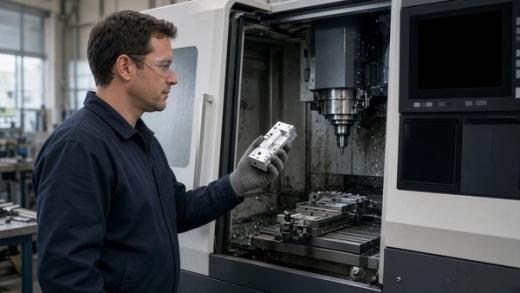
- Set up machines to the job sheet
- Load raw materials and unload finished product
- Monitor the machine for faults and quality drift
- Make small adjustments within set limits
- Check samples against the specification
- Record production counts and downtime
- Clean and lubricate the machine as instructed
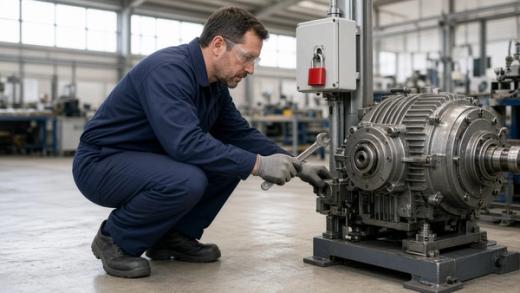
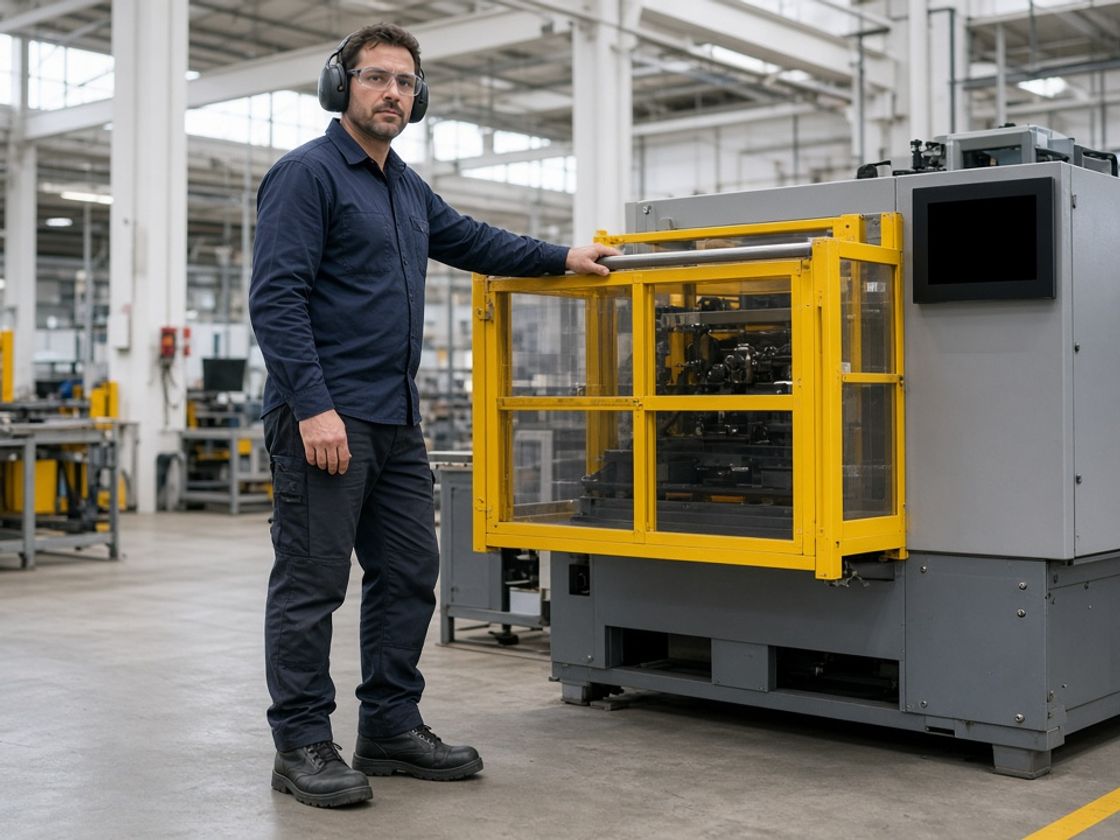
- Follow lockout, guarding and isolation procedures
Skills, licences & tickets
- Machine guarding and lockout awareness
- Reading a job sheet or work instruction
- Basic measuring with callipers or gauges
- Attention to detail and steady pace
- Mechanical aptitude
- Forklift licence is a bonus
A machine operator sets up, runs and monitors production machinery in a factory. This machine operator job description shows what the role involves, the safety practices it depends on and where it can lead.
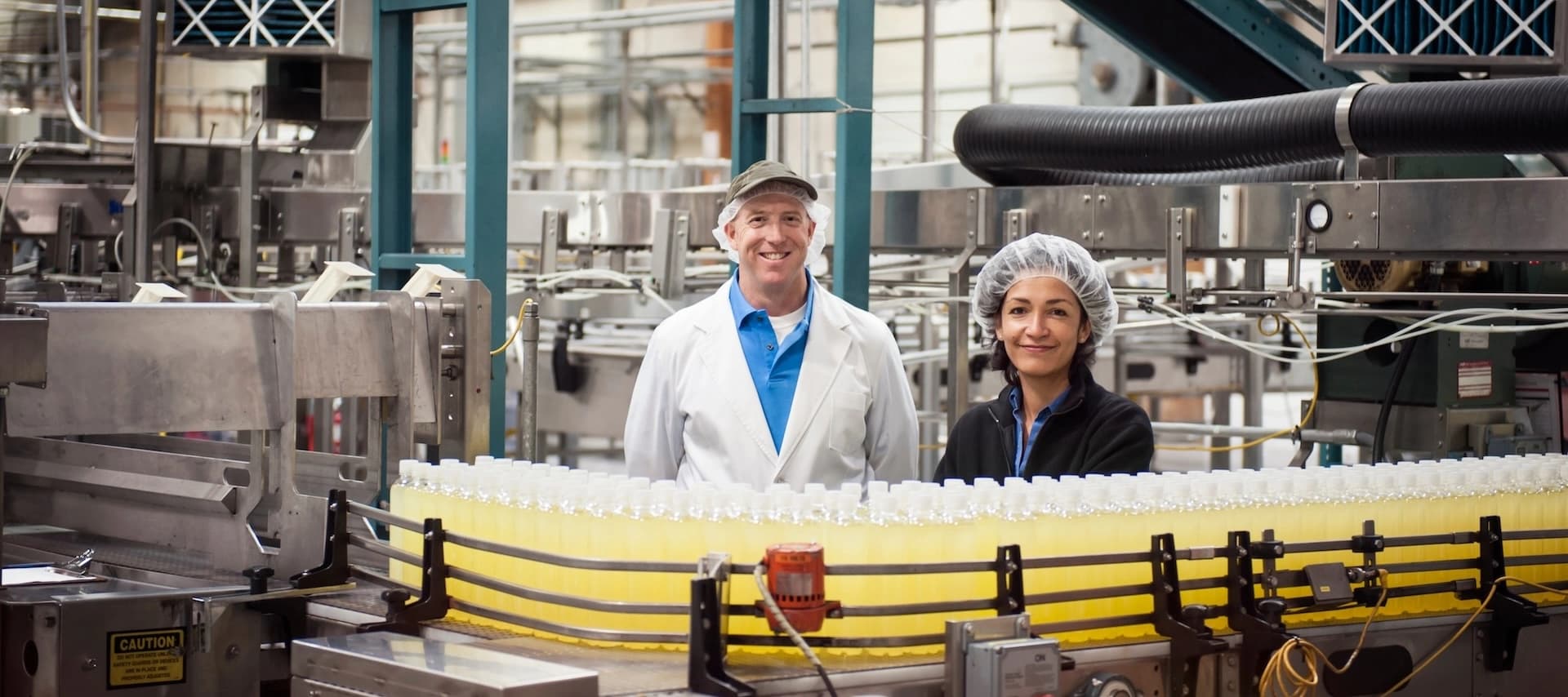
Machine operators work in food, packaging, plastics, metal, pharmaceutical and general manufacturing. The machines differ, but the core job is the same: keep the line running, keep the product within specification and keep people safe.
What does a machine operator do?
The operator receives a job sheet that lists the product, the settings and the quality checks. They set up the machine, load material, start production and watch the output. If a part drifts out of specification or a fault appears, the operator stops the machine and raises it.
Between runs, operators record counts, clean the machine and help with changeovers. They also pass on any issues to the next shift so problems are not repeated.
Safety on the line
Machinery injuries are among the most serious in manufacturing. Safe Work Australia explains how to manage the risks of plant, and employers expect operators to follow the same principles: guards in place, no bypassing interlocks and lockout before any clearing or cleaning.
Skills and tickets employers look for
Most employers want reliable people who can follow instructions, read basic measurements and work at a steady pace. A forklift licence is useful where operators move their own materials. Previous factory experience helps, but many sites train new starters.
Pay, hours and employment types
Machine operator roles are offered casual, part-time and permanent, often across rotating shifts. The Manufacturing and Associated Industries and Occupations Award covers many factory roles, although food and pharmaceutical sites may sit under other awards or enterprise agreements.
The other machine operators profile from Jobs and Skills Australia shows median full-time earnings of about $1,554 a week and $38 an hour in May 2025. This is a broad group, so your pay depends on the machine, the industry and the shift.
How to become a machine operator
Apply for entry level production roles, show that you work safely and learn quickly, and ask to be trained on more than one machine. Operators who add skills in setup, quality checks or maintenance can move into setter, leading hand or technician roles.
Related Resources
- Machine operator resume template
- Manufacturing and production labour hire in Melbourne
- Warehouse and factory interview preparation pack
- First day on site checklist
- Other machine operators profile from Jobs and Skills Australia
- Managing the risks of plant from Safe Work Australia
Frequently Asked Questions
Do I need experience to become a machine operator?
Not always. Many factories train new starters on their own machines. Experience helps, but employers mostly look for reliability, safe habits and attention to detail.
What is the difference between a machine operator and a process worker?
A machine operator runs and monitors a specific machine. A process worker handles tasks along a production process, which may include manual packing or inspection as well as machine work.
Is machine operating shift work?
Often. Many sites run morning, afternoon and night shifts, and some run weekends. Check the roster before you accept a role.
What can a machine operator move into?
Common next steps include machine setter, leading hand, quality inspector and maintenance trainee roles.
Safe Habits Build the Career
Operators who isolate, guard and report faults properly are the ones employers keep and promote. When you are ready for factory work, see current openings on the job board or submit your CV.