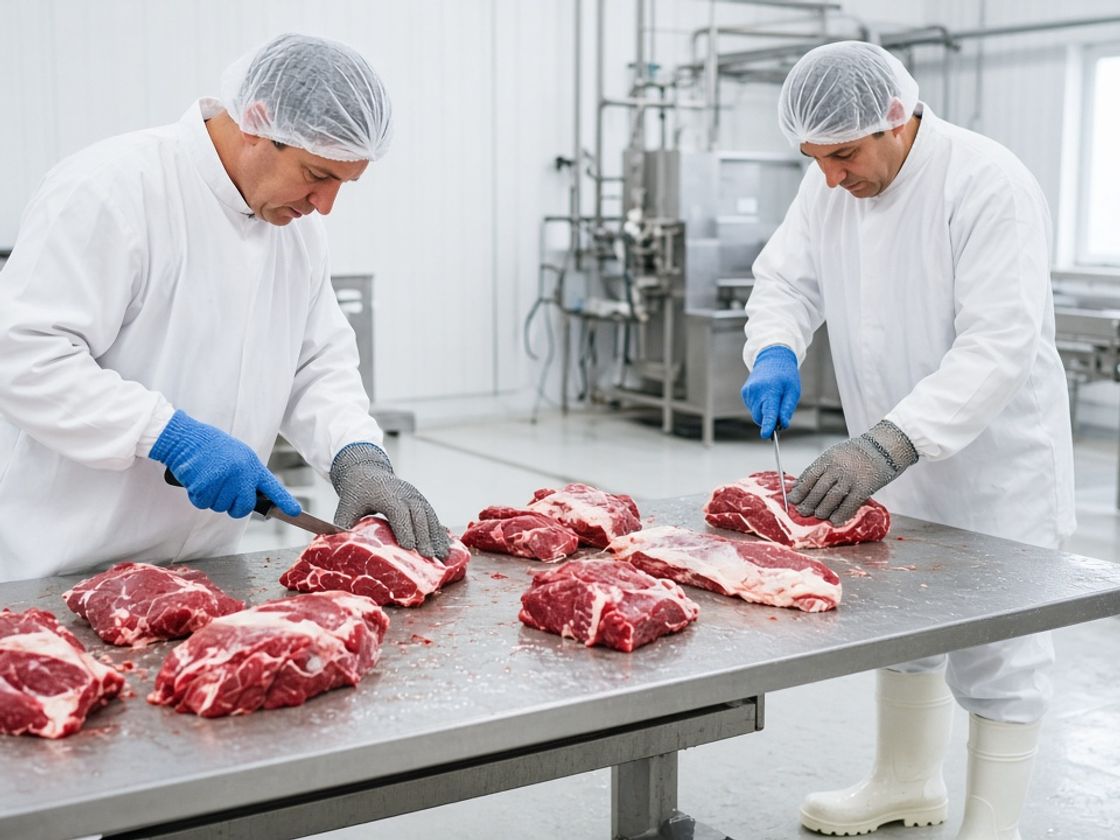
Typical duties
- Trim, slice and portion meat with knives or machines
- Bone and prepare cuts at a table or on a rail
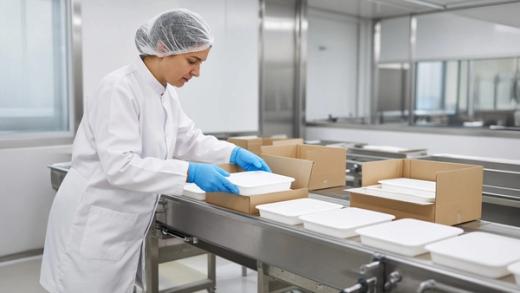
- Pack meat into cartons and bags and label product
- Move product to chillers and freezers
- Load and stack boxed meat for despatch
- Sharpen and store knives safely
- Clean and sanitise tools, tables and floors
- Follow hygiene, temperature and safety procedures
Skills, licences & tickets
- Knife skills, or willingness to be trained
- Comfort working in cold rooms for a full shift
- Cut-resistant gloves, mesh and other PPE
- Strong hygiene habits and attention to cleanliness
- Stamina for repetitive, physical work
- Reliable attendance for early starts
A meat process worker trims, slices, packs and moves meat in a processing plant. This meat process worker job description explains the daily tasks, the safety and hygiene rules, and how pay works, so you know what the job involves before you apply.
The work is physical, cold and repetitive, and it follows strict rules because meat is a high-risk food. Many plants train new starters on the job.
What does a meat process worker do?
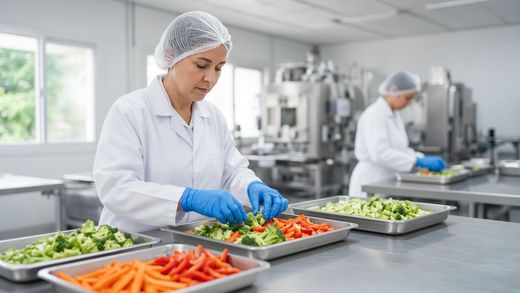
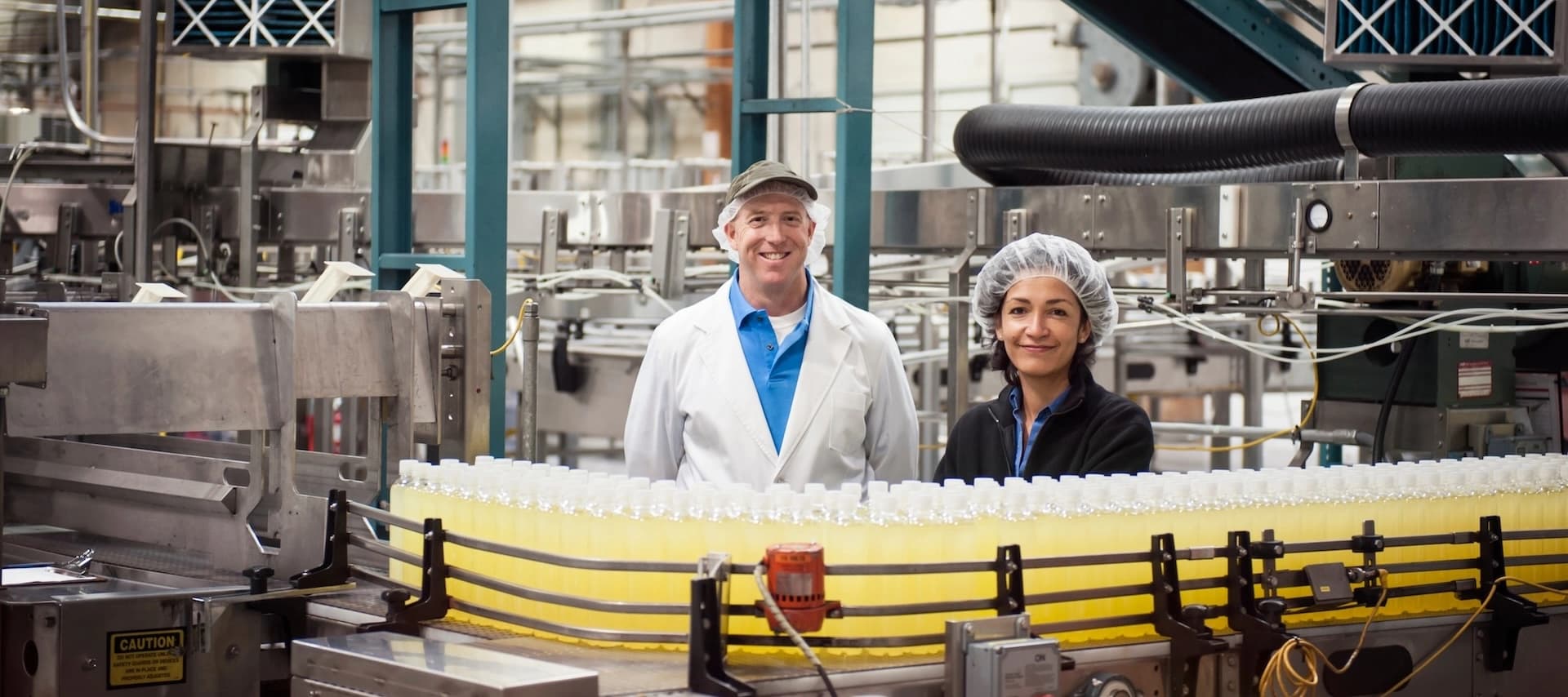
Tasks depend on the plant and the line. Some workers trim fat and bone from cuts at a table. Others slice, grind or portion product with machines, pack boned and sliced meat into cartons, or move product between chillers, freezers and the despatch dock. Everyone cleans as they go.
Hygiene runs through the whole job. Hair, hands, clothing and tools are controlled, and product has to stay at the right temperature. In Victoria, meat processing facilities are licensed by PrimeSafe, which sets standards under the PrimeSafe licensing.
Staying safe with knives and cold
- Cut protection: WorkSafe Victoria says employers should provide cut-resistant gloves for the knife hand and a mesh gauntlet or glove for the other hand.
- Sharp knives: a blunt knife needs more force, which raises the risk of cuts and strains.
- Cold and manual handling: boxed meat is heavy and often handled in cold rooms, so lifting technique matters.
- Slippery floors: non-slip safety footwear and a tidy work area reduce falls.
Skills and tickets employers look for
There is no single ticket for entry level work. Employers look for reliability, hygiene habits and a willingness to learn knife skills, and they train new starters before they cut. WorkSafe Victoria's guidance says employees should only use knives after thorough training and competency testing. The manual handling guide for red meat processing explains why lifting and cold exposure are the main injury risks.
Chandler's meat process worker page and food production recruitment page show the type of food plant work available.
Pay, hours and employment types
Meat plants offer casual, part-time and full-time work, often with early starts and overtime. The Meat Industry Award covers employers who process meat, including labour hire businesses that place workers in the industry. It excludes poultry processing and machine maintenance employees, so check which award or enterprise agreement applies to your site.
Meat process workers sit in the meat, poultry and seafood process workers group. Jobs and Skills Australia reports median full-time earnings of about $1,244 a week and $31 an hour in May 2025, in its group profile. The group also includes poultry and seafood workers. Pay depends on the award or agreement, classification, shift, overtime and casual loading.
How to become a meat process worker
You do not need a qualification to start. Apply for entry level roles, show you can handle cold, early starts and physical work, and keep a clean work history. With experience you can move into boning, machine operation or leading hand roles. The food process worker resume template is a good guide for presenting this work.
Related Resources
- Food process worker resume template
- Food production recruitment in Melbourne
- Meat process worker jobs
- Food processing labour hire guide
- Safe use of knives in the meat and food industry from WorkSafe Victoria
- Meat Industry Award summary from Fair Work Ombudsman
Frequently Asked Questions
Do I need experience to work as a meat process worker?
Not for most entry level roles. Employers train new starters in knife safety, hygiene and the task before they work unsupervised.
Which award covers meat process workers?
The Meat Industry Award commonly covers employers in meat processing, but it does not cover poultry. Your employer may instead use an enterprise agreement, so check which applies.
Is meat processing work cold?
Often, yes. Boning rooms, chillers and freezers are kept cold, so expect to wear warm layers under your protective clothing.
What PPE does a meat process worker wear?
Typically cut-resistant gloves, a mesh glove or gauntlet, sometimes a mesh apron, non-slip safety footwear, and hair and clothing covers. Your employer should provide and explain it.
Cold Rooms, Steady Work
Meat processing suits people who work safely, keep clean and show up early. If that is you, browse current openings on the job board or submit your CV.