Typical duties
- Prepare ingredients or materials for the line
- Feed, load and unload machines
- Weigh, mix, cut, trim or portion product
- Check product for defects and remove faults
- Follow recipes, batch sheets and work instructions
- Record production details
- Clean the work area and equipment
- Follow hygiene, allergen and safety rules
Skills, licences & tickets
- Food safety and personal hygiene awareness
- Ability to follow written work instructions
- Comfort with repetitive work on your feet
- Attention to detail and pace
- Teamwork on a production line
- Steel-cap boots and protective clothing
A process worker does the hands-on tasks that turn raw materials into finished products on a factory line. This process worker job description explains the duties, the hygiene and safety rules and the pay, so you know what to expect.
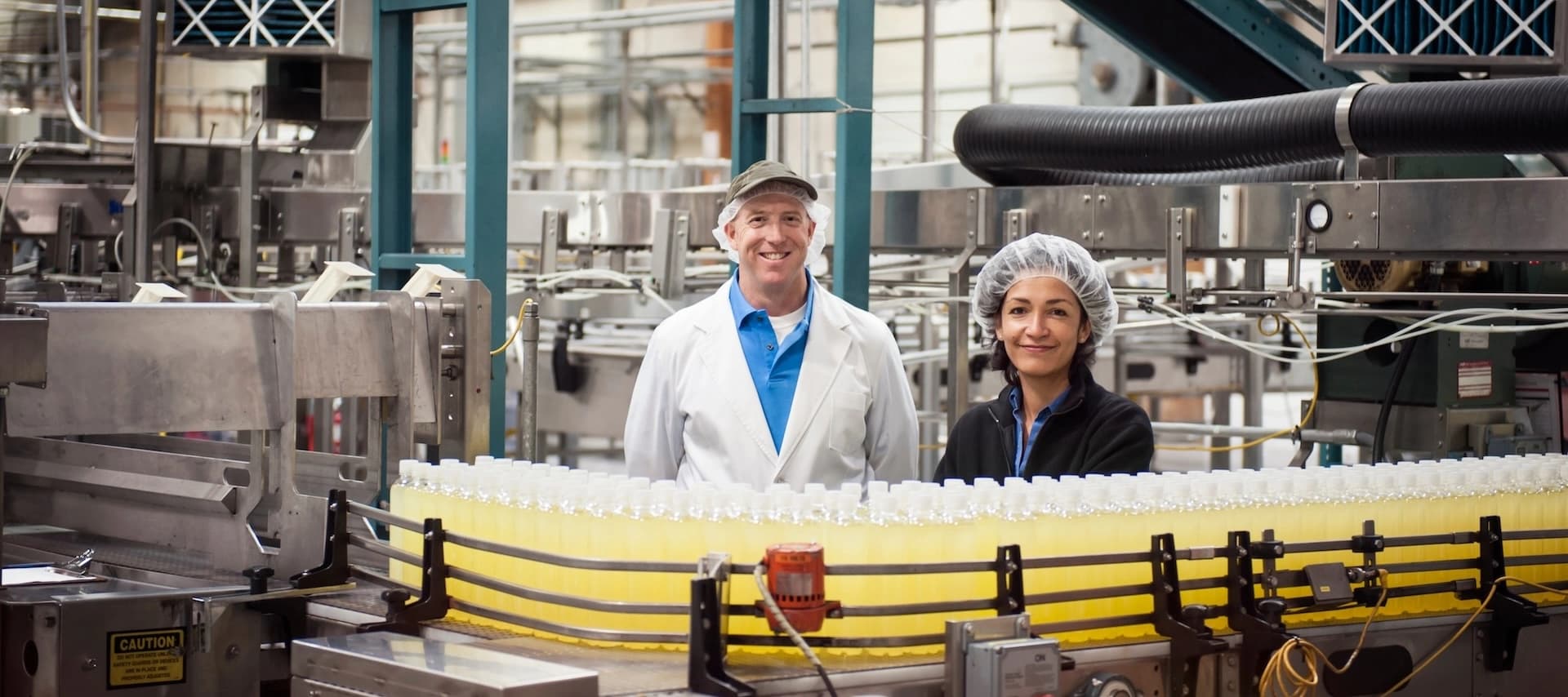
Process workers are found in food and beverage plants, manufacturing and packaging sites across Melbourne. Chandler's popular process worker page gives a short summary of the role, and this entry goes into more detail.
What does a process worker do?
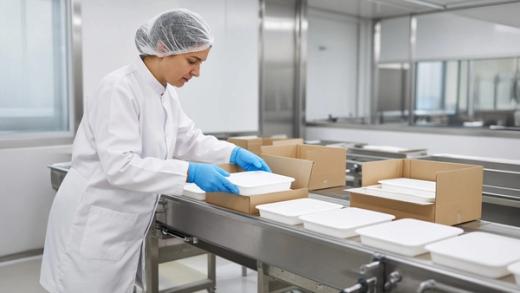
Tasks depend on the plant. In a food factory, a process worker might weigh ingredients, load a mixer, trim meat or vegetables, or portion product onto trays. In a manufacturing plant, they might feed parts into a machine, assemble components or inspect finished goods.
Process workers follow a batch sheet or work instruction, record what they have done and report problems to a supervisor. At the end of the shift they clean the equipment and the work area.
Hygiene and safety
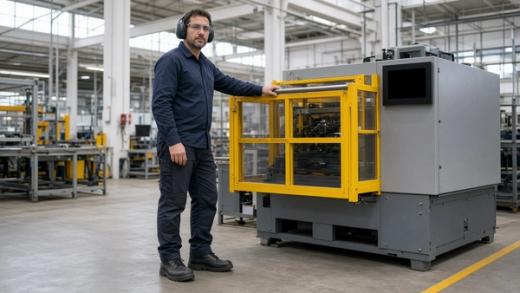
Food plants require hairnets, clean clothing, handwashing and no jewellery. Allergen rules stop products being mixed up. Machine guarding and lockout rules protect workers from injury, and the Safe Work Australia guide to plant risks explains the principles behind them.
Skills and tickets employers look for
Employers want reliable people who can follow instructions, keep up with the line and stay focused on repetitive tasks. No formal qualification is usually needed. A food safety certificate or forklift licence can help, and any previous factory, kitchen or packing experience is useful.
Pay, hours and employment types
Process work is offered as casual, part-time and permanent, usually across rotating shifts. Pay is set by the award or agreement for the site, such as the Food, Beverage and Tobacco Manufacturing Award or the Manufacturing award.
Jobs and Skills Australia reports median full-time earnings of about $1,519 a week and $38 an hour for other factory process workers in May 2025, in its factory process workers profile. Food and drink factory workers have their own group, so check which one fits the job. Most awards add a 25 per cent loading for casual work, as the Fair Work guide to casual employment explains.
How to become a process worker
Apply for entry level production roles and show that you are reliable, safe and quick to learn. Ask to be trained on more than one station. Process workers who learn machines and quality checks can move into machine operator, packaging operator or leading hand roles.
Related Resources
- Food process worker resume template
- Production worker resume template
- Food production recruitment in Melbourne
- Manufacturing and production labour hire in Melbourne
- First day on site checklist
- Factory process workers profile from Jobs and Skills Australia
Frequently Asked Questions
Do I need experience to be a process worker?
No. Most employers train new starters. Reliability, attention to detail and a safe attitude matter more than previous experience.
What is the difference between a process worker and a machine operator?
A process worker does a range of hands-on production tasks. A machine operator is responsible for setting up, running and monitoring a particular machine.
Is process work shift work?
Usually. Many plants run early, afternoon and night shifts, and some run weekends. Check the roster before accepting a role.
What can a process worker move into?
Common steps are packaging operator, machine operator, quality inspector and leading hand.
Learn Every Station on the Line
The process workers who get promoted are the ones who can cover several stations and keep standards high. When you are ready, see current production roles on the job board or submit your CV.