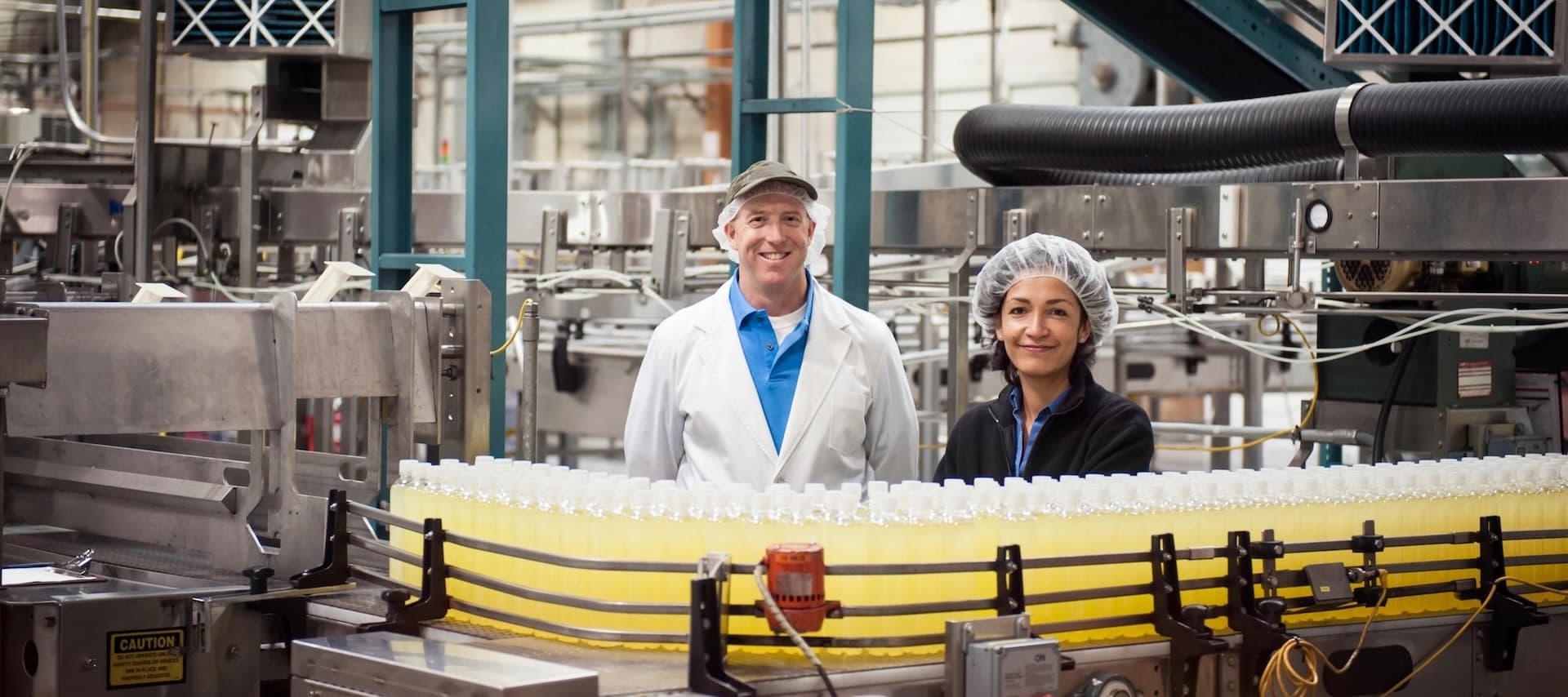
Food processing labour hire puts outside workers next to open product, so the booking has to carry hygiene detail that a general production order can skip. A plant that names the line, the zone and the task up front gets a crew that can start work. A plant that leaves them out spends the first shift answering questions at the gate.
This guide is for food and production managers who buy on-hire labour and want clear host checks before day one. It covers the buying side and the split of duties between host and provider. The induction curriculum sits in our guide to food production casual staff induction, so we do not repeat it here.
What food processing labour hire covers on a Melbourne line
Food processing labour hire means a provider supplies workers to a food plant, and the plant directs the work on its own line. Typical roles are process workers and machine operators, plus hands for packing, inspection and loading. The same buying logic applies whether you call it food production labour hire, food manufacturing labour hire or food factory labour hire.
Chandler Personnel supplies food production staffing to Melbourne food manufacturers, and its service page lists process workers and machine operators. If your site mixes food lines with other production, manufacturing labour hire covers the non-food side.
Hygiene and allergen checks before day one
The Food Standards Code places health and hygiene obligations on food handlers, and the standards say food businesses must do whatever they can to make sure no-one on their premises contaminates food. Food Standards Australia New Zealand sets this out in its food safety guidance for food businesses. For a host, that turns into a short list of checks to settle with the provider.
- Hair, jewellery and phones. FSANZ guidance says hair, clothes, jewellery and phones should not touch food or surfaces. Tell the provider your site rule so workers arrive prepared.
- Hands and ready-to-eat product. The guidance says to avoid touching ready-to-eat food with bare hands. State where gloves or tongs are required on your line.
- Facilities. The host provides hand washing facilities, toilets and storage for personal belongings, so show the worker where they are.
- Open sores and illness. Workers must tell a supervisor about illness or a skin infection that could contaminate food.
The illness rule deserves its own line in the booking. FSANZ says a food handler with an illness that can pass through food should stop handling food and return only when a doctor says they are well enough, usually 48 hours after symptoms stop. Give agency crews the same message and the same named supervisor as your own staff.
For allergens, put the zone and the allergens handled on that line into the booking. Your allergen matrix and changeover sequence are site documents, and the induction guide above covers how to teach them. The host check here is simpler: confirm the provider has told the worker which zone they are entering before they arrive.
Tickets and site rules hosts must name in the booking
Start with licences. A food plant often runs forklifts, and WorkSafe Victoria issues forklift truck and order-picking forklift truck operation licences as separate classes among its high risk work licence classes. Name the class in the booking and sight the licence before the worker drives.
Food-specific certificates need care. FSANZ says formal training in specific courses is not generally needed, but some states and territories have compulsory training requirements, for example for a food safety supervisor, and it suggests checking with the local council. If your customers or audit scheme ask for a particular certificate, list it in the booking as a requirement.
Then add the site rules that a general induction will not cover:
- Entry procedure. Where to report, who signs the worker in and what is checked at the door.
- Protective equipment. What the worker brings and what the site supplies. WorkSafe says host and provider share the duty to make sure the worker has what they need to work safely, including protective equipment.
- Zone limits. Which areas the worker may enter, and which are off limits without a further check.
- Machine rules. Guarding, isolation and who may clear a jam.
Who owns induction versus who owns the task
Hygiene training is where duties can blur, because the plant and the provider may each expect the other to have covered it. Agree the split in writing before the first shift. A workable rule is that the provider prepares the worker and the host owns the task.
- Provider. Passes on your booking details to the worker, confirms licences held and briefs the worker on general food handling expectations.
- Host. Delivers the site-specific induction, trains the worker on the task, sets zone rules and supervises the first shifts.
- Both. WorkSafe says host and provider must consult, cooperate and coordinate so far as reasonably practicable, and no contract can remove either party's duty to provide a safe workplace.
The food safety duty in the Food Standards Code sits with the plant. Under Standard 3.2.2, FSANZ says the business must make sure the people who handle food, and their supervisors, have the skills and knowledge to keep food safe and suitable. Standard 3.2.2A, which adds a food safety supervisor and training requirements, is aimed at food service, caterer and related retail businesses, so check with your adviser or council whether any of it touches your site.
Chandler Personnel runs site inductions on behalf of clients. Whoever delivers yours, agree the content with the provider so the worker does not hear two versions of the same rule. When your booking is ready, request staff with the zone, task and ticket details included.
Audit-safe records to keep after the shift
An auditor reviewing agency crews can reasonably ask whether on-hired workers were treated like your own staff. Records are the proof. FSANZ advises keeping records of who has received what training and when, and WorkSafe lists keeping records relating to labour hire workers' health and safety among host duties.
- Induction log. Name, date, who delivered it and what it covered.
- Task training. The task, the trainer, the date and the supervisor sign-off.
- Licence sighting. The class, the date you checked it and who checked.
- Zone record. Which line and zone the worker was assigned to each shift.
- Illness and incident notes. Any report made to a supervisor, and the action taken.
- Protective equipment issued. What was handed out and returned.
Records do not stop with people. Where on-hired workers also move or pick stock in a food warehouse, rotation matters too, and our guide to FIFO and FEFO stock rotation explains the difference. Hosts staffing the dispatch side can also look at warehousing labour hire.
Related Resources
- Food production staffing
- Manufacturing and production labour hire
- Warehousing and logistics labour hire
- Food production casual staff induction
- FIFO and FEFO stock rotation in a food warehouse
- Labour hire Melbourne
- Food Standards Australia New Zealand food safety guidance
Common Questions About Food Processing Labour Hire
1. What is food processing labour hire?
It is an arrangement where a provider supplies workers to a food plant and the plant directs the work on its line. Roles include process workers, machine operators and packing or inspection hands. The plant stays responsible for food safety on its site, so the booking should name the line, zone and tasks.
2. Who provides food hygiene induction for on-hired workers?
Both parties contribute, but the plant owns the site-specific part. The provider can brief the worker on general food handling expectations and your booking details. You deliver the induction on your hygiene rules, zones and task, because under Standard 3.2.2 the food business must make sure handlers have the skills and knowledge.
3. Can labour hire staff work in high-care or allergen zones?
Entry to stricter zones depends on the site's own rules for each zone, and plants often restrict who may enter them. If agency crews may work there, say so in the booking, name the zone and its allergens, and confirm entry conditions before the shift. If not, say that too, so the worker is not sent to the wrong area.
4. What should a food processing labour hire brief include?
Include the line, the zone, the task, the allergens handled, the rules on hair, jewellery and phones, protective equipment, any licence such as a forklift class, any certificate your customers require, the named supervisor and the illness reporting rule. Each item removes a question that would otherwise cost time on the shift.
5. How do hosts keep audit records for agency crews?
Treat agency workers like your own staff in your records. Keep an induction log, task training with sign-off, licence checks, zone assignments, illness or incident notes and protective equipment issued. Store them by person and date where an auditor can find them.
Write Hygiene Into the Booking, Not the Handover
On-hire runs smoothly in a food plant when the hygiene rules, zone limits and tickets travel with the booking instead of surfacing at the gate. Settle who delivers the induction, who owns the task and which records you will keep, then write all three down. For the wider picture, see labour hire Melbourne.