Typical duties
- Receive and log samples for testing
- Test raw materials, in-process and finished product
- Follow written methods and standard procedures
- Record results accurately in lab records
- Calibrate and maintain test equipment
- Report out-of-specification results straight away
- Prepare solutions and keep reagents in date
- Keep the lab clean and follow GMP and safety rules
Skills, licences & tickets
- Certificate, diploma or degree in laboratory skills or science
- Understanding of Good Manufacturing Practice
- Accurate, legible record keeping
- Careful measuring, weighing and sample handling
- Willingness to follow procedures exactly
- Chemical and laboratory safety awareness
A laboratory technician tests samples and records the results so a business knows its materials and products meet specification. This laboratory technician job description focuses on quality control and manufacturing labs, including pharmaceutical sites, and explains the duties, skills and pay.
In a plant, the lab is where a batch gets checked before it moves on. Technicians test raw materials coming in, samples taken during production and finished product going out. Their results help decide whether a batch is released.
What does a laboratory technician do?
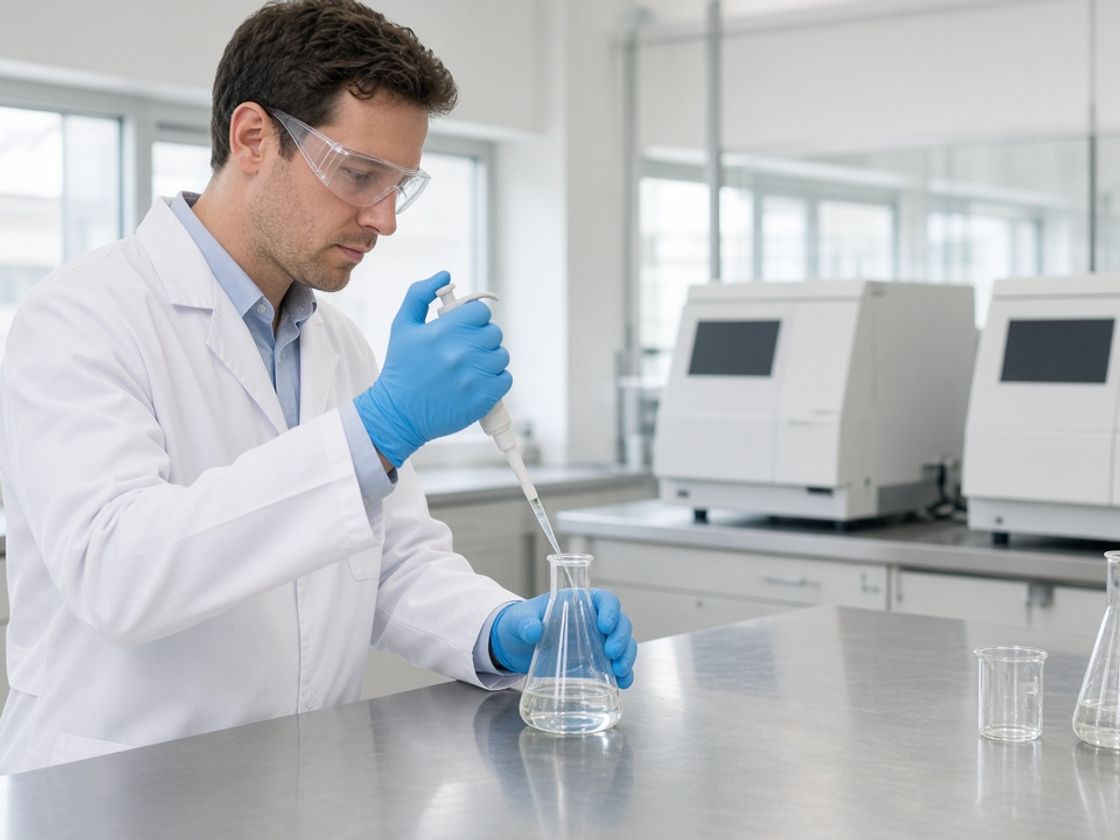
The day starts with the samples waiting for testing. The technician logs them, prepares what the method requires and runs the tests, which may involve weighing, mixing, measuring or using instruments. Results go into the lab record, and anything outside the limit is reported to a senior colleague straight away.
Equipment care is part of the job. Technicians check that balances and instruments are calibrated, keep reagents in date and clean the work area. A reported mistake can be investigated and fixed, while a hidden one can hold up a whole batch.
Good Manufacturing Practice in the lab
Good Manufacturing Practice, or GMP, is the set of standards that keeps medicines consistently made and controlled. In Australia, the Therapeutic Goods Administration regulates medicine manufacturing, and test records are one of the ways a manufacturer shows it meets those standards.
Skills and tickets employers look for
Employers want people who read methods carefully, measure accurately and write clear records. Most roles ask for a laboratory or science qualification, from a certificate to a degree, and experience in a regulated setting is a plus. Chandler's pharmaceutical recruitment page describes the production and quality roles it fills in this industry, so check the job board for current openings.
Production workers who record batches carefully and want to move toward testing can build a record of accurate paperwork first. The production QA resume template shows how to present quality checks and documentation.
Pay, hours and employment types
Laboratory roles are offered permanent, contract and casual, and some plants run lab shifts to match production. The Manufacturing award lists laboratory technicians and testers among the jobs it covers, though many pharmaceutical employers pay under an enterprise agreement.
Jobs and Skills Australia reports median full-time earnings of about $1,794 a week and $45 an hour for science technicians in May 2025, in its science technicians profile. That group also includes school and field technicians, so treat it as a guide only. Individual pay depends on the award or agreement, your qualification, the site and any shift work.
How to become a laboratory technician
Start with a laboratory or science qualification, or with production or quality experience that shows you can follow procedures and keep clean records. Many technicians move from there into senior technician, analyst or quality assurance roles. Keep a clear list of the methods and equipment you have used.
Related Resources
- Pharmaceutical recruitment in Melbourne
- Production QA resume template
- Warehouse and factory interview preparation pack
- Manufacturing medicines from the Therapeutic Goods Administration
- Science technicians profile from Jobs and Skills Australia
- Manufacturing award summary from Fair Work Ombudsman
Frequently Asked Questions
Do I need a degree to be a laboratory technician?
Not always. Many technician roles ask for a certificate or diploma in laboratory skills or science, while analyst roles more often ask for a degree. Requirements vary by employer.
What is the difference between a laboratory technician and a production operator?
A production operator makes or packs the product. A laboratory technician tests samples of materials and product and records the results, so the two roles check each other's work.
Why is record keeping so important in a lab?
A test result only counts if it is recorded accurately and can be traced. In regulated manufacturing, the records are part of the evidence that a batch was made and tested correctly.
Can a production worker move into a lab role?
Yes, though it usually needs extra study or training. Careful records and an understanding of GMP are a good base to build on.
Accurate Results Build Careers
Lab work rewards people who follow the method and record what they find. If that sounds like you, look at current roles on the job board or submit your CV.