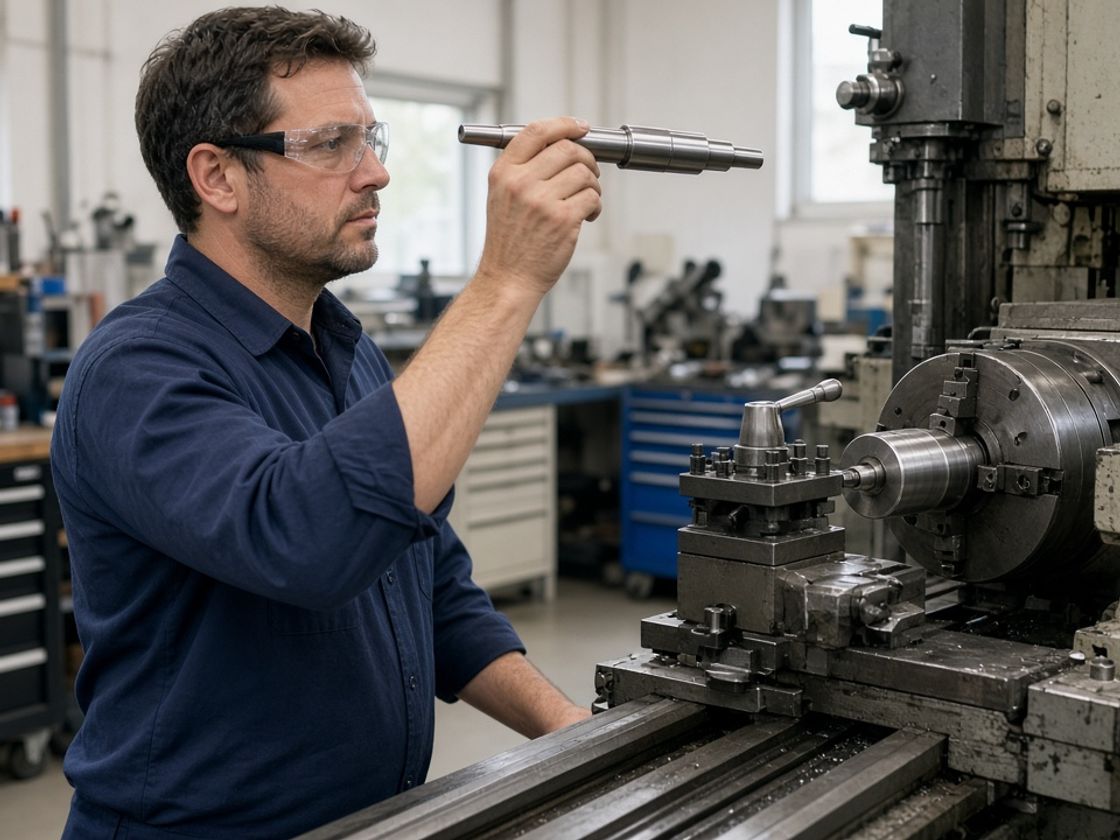
Typical duties
- Read engineering drawings and job specifications
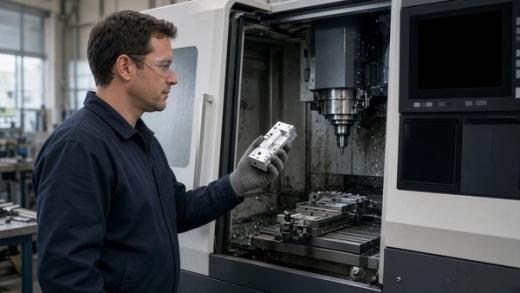
- Set up and run lathes, mills and grinders
- Machine parts to tolerance
- File, scrape and fit components by hand
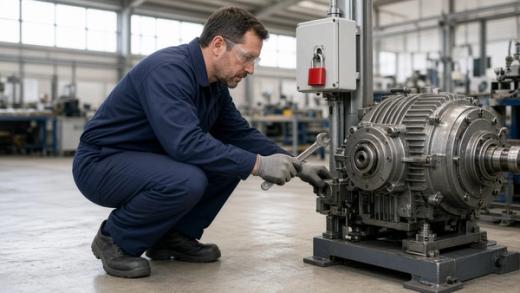
- Assemble and align mechanical equipment
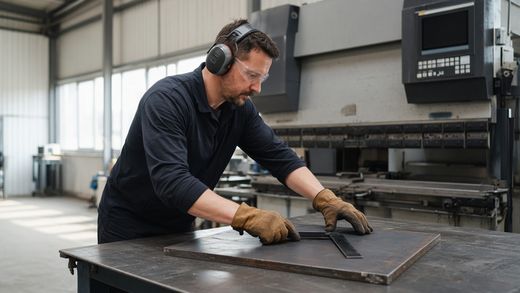
- Measure with micrometers, callipers and gauges
- Repair worn or broken machine parts
- Maintain tools and keep the workshop safe
Skills, licences & tickets
- Certificate III in Engineering (Mechanical Trade)
- Manual and CNC machining skills
- Precision measuring
- Reading engineering drawings
- Hand fitting and assembly
- Understanding of tolerances, fits and materials
A fitter and turner makes, fits and repairs metal parts using hand tools and machines. This fitter and turner job description explains the trade, the skills and the career options, and how it differs from a maintenance fitter.
The trade combines two skill sets. Fitting is the work of assembling, aligning and adjusting components. Turning is the machining of parts on a lathe, often alongside milling and grinding.
What does a fitter and turner do?
The fitter and turner reads a drawing, selects material and sets up a lathe, mill or grinder. They machine the part to size, measure it and fit it to mating components. If a part does not fit, they correct it by machining or hand fitting.
Repair work is common. When a shaft, bush or housing wears out, the fitter and turner can often make a replacement quickly, which keeps equipment running without waiting for a new part.
Fitter and turner compared with a maintenance fitter
A maintenance fitter focuses on servicing and repairing machinery on site. A fitter and turner has stronger machining skills and often works in a workshop or toolroom, although many trades blend both roles.
Skills and tickets employers look for
Employers want precise measuring, drawing reading and sound machining skills. A Certificate III in Engineering (Mechanical Trade) is the usual qualification. Experience with CNC machines adds options, and the CNC machinist entry explains that side of the trade.
Machine safety is a daily requirement. See the Safe Work Australia guide to managing the risks of plant for guarding and isolation principles.
Pay, hours and employment types
Fitter and turner work is offered contract and permanent, usually on day shift, and pay depends on classification and site. Many roles are covered by the Manufacturing and Associated Industries and Occupations Award or an enterprise agreement. Public earnings data for this trade is grouped with other metal fitters and machinists, whose pay varies widely by industry, so check the specific award or agreement for the job.
How to become a fitter and turner
The standard pathway is a four-year mechanical trade apprenticeship. People who start as machine operators or CNC operators can sometimes move into the trade by completing a qualification. The qualified trades resume guide shows how to present machining experience.
Related Resources
- Qualified trades resume template and guide
- CNC machinist resume template
- Manufacturing and production labour hire in Melbourne
- Trades and services recruitment in Melbourne
- Maintenance electrician compared with maintenance fitter
- Managing the risks of plant from Safe Work Australia
Frequently Asked Questions
What does a fitter and turner do?
A fitter and turner machines metal parts on lathes and mills and fits components together into working assemblies.
Is a fitter and turner the same as a machinist?
The trades overlap. A machinist focuses on machining, while a fitter and turner also assembles, aligns and repairs mechanical equipment.
Do fitter and turners use CNC machines?
Many do. Modern workshops combine manual machines with CNC mills and lathes.
How long is a fitter and turner apprenticeship?
A mechanical trade apprenticeship usually takes about four years, depending on the training contract.
Hand Skills Still Set You Apart
Machines make parts, but the fitter's eye makes them work together. If you hold a mechanical trade, see current trade roles on the job board or submit your CV.