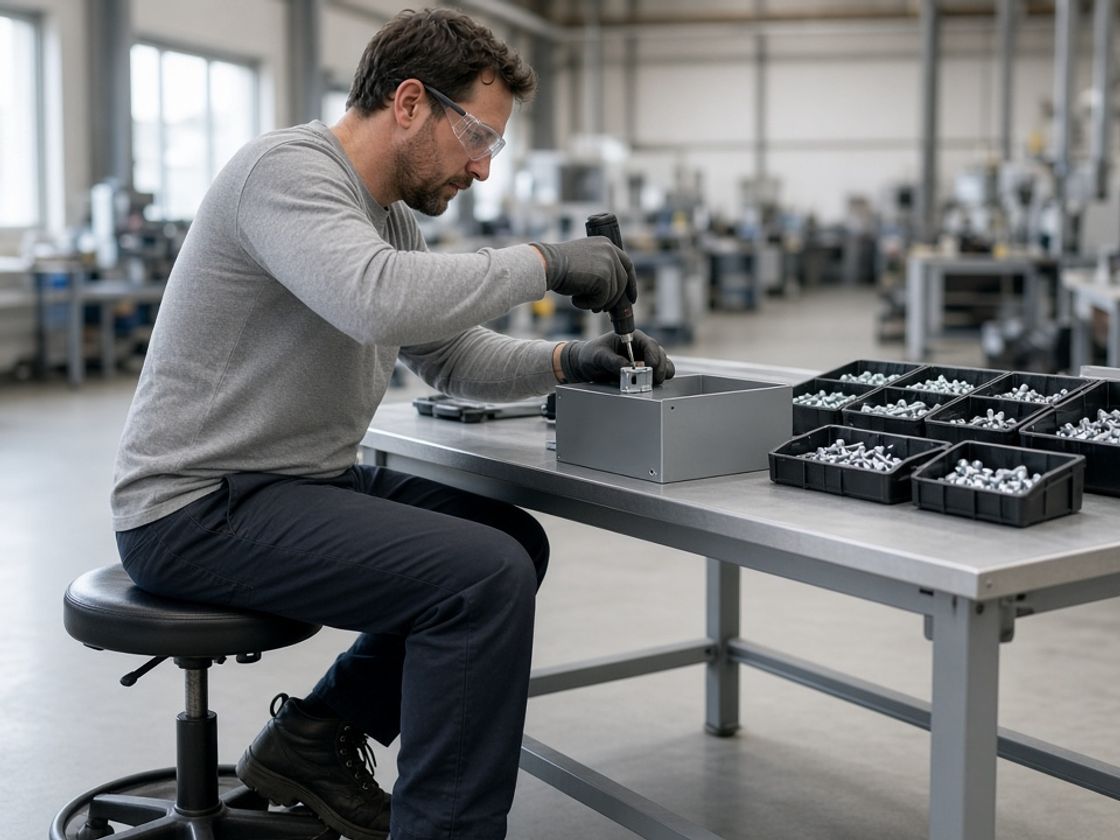
Typical duties
- Read work orders, drawings and assembly instructions
- Gather and organise parts and components
- Fit, fasten and connect parts using hand and power tools
- Solder, wire or crimp where the product requires it
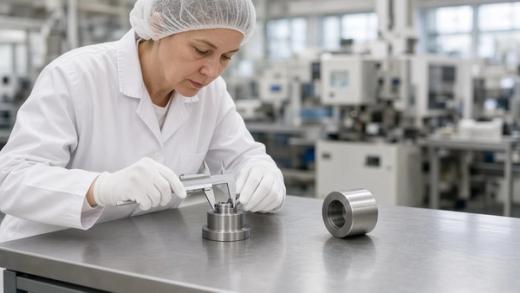
- Check each sub-assembly against the specification
- Test finished units and record the results
- Report defects and parts shortages to the supervisor
- Keep the workbench and tools clean and organised
Skills, licences & tickets
- Reading work instructions and simple drawings
- Good hand-eye coordination and fine motor skills
- Safe use of hand and power tools
- Attention to detail on repetitive work
- Basic measuring and torque tool use
- Soldering experience for electronic assembly is a bonus
An assembler puts together components and sub-assemblies to build a finished product. This assembler job description covers the duties, the skills employers look for and what the role pays, so you can see whether assembly work suits you.
Assemblers work on production lines and at benches in factories that make metal products, electrical and electronic equipment, joinery items and many other goods. The work is steady, detailed and often team based.
What does an assembler do?
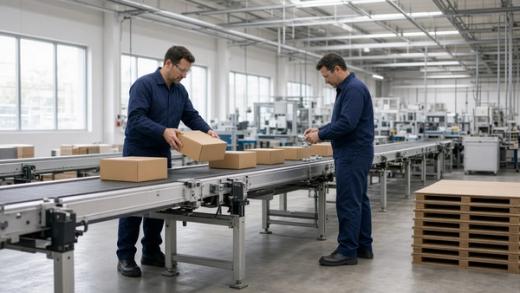
An assembler starts with a work order and a set of parts. They line up the components, then bolt, screw, rivet, clip or solder them together, by hand or with power tools. Each sub-assembly is checked before it moves to the next station.
When a unit fails a check, the assembler works out whether the fault is a part, a fit or a mistake in the build, and reports it. Assemblers also keep their area tidy, because a clean bench makes fewer errors.
Where assemblers work
- Metal products such as frames, fittings and enclosures.
- Electrical and electronic equipment including wiring looms and control panels.
- Joinery and furniture where parts are fitted into finished items.
- Vehicle and equipment components built on a line in batches.
Skills and tickets employers look for
Employers look for people who read instructions carefully and build the same way every time. Comfort with hand tools, torque tools and measuring gauges is useful, and soldering or wiring experience opens up electronic assembly work. Most roles need no formal ticket. A forklift licence is a bonus where assemblers also move finished goods, and WorkSafe Victoria sets out the forklift rules.
Pay, hours and employment types
Assembly work is offered as casual, part-time, full-time and permanent, usually on day or rotating shifts. Pay is set by the award or enterprise agreement for the site. The Manufacturing Award summary covers labourers and factory hands in manufacturing and associated industries, but the right award depends on what the employer makes, so check before you accept a rate.
Jobs and Skills Australia reports median full-time earnings of about $1,196 a week and $31 an hour for product assemblers, with most working full-time hours, in its product assemblers profile. Individual pay depends on the award, the site, the shift and overtime. Most awards add a 25 per cent loading for casual work, as the Fair Work guide to casual employment explains.
How to become an assembler
You do not need a qualification to start. Employers want a steady, careful worker with a clean attendance record. List any tool, wiring or line experience on your resume, using the production worker resume template as a guide. With experience you can move into machine operator, quality inspection or leading hand roles.
Related Resources
- Production worker resume template
- Production QA resume template
- Manufacturing and production labour hire in Melbourne
- Skills matrix for manufacturing and warehouse teams
- Warehouse and factory interview preparation pack
- Product assemblers profile from Jobs and Skills Australia
Frequently Asked Questions
What does an assembler do?
An assembler puts together parts and sub-assemblies by hand or with power tools to build a product, checks each unit against the specification and reports defects.
Is an assembler the same as a production worker?
The roles overlap. A production worker is a general hand across a line, while an assembler specialises in building products from components.
Do I need a qualification to work as an assembler?
Usually not. Employers train new starters on site, though tool skills, wiring or soldering experience and attention to detail help.
Is assembly work repetitive?
Often, yes. Many roles repeat the same build many times a shift, so patience, a steady pace and careful checks matter.
Careful Builds Lead to Better Roles
Assembly work rewards people who build carefully and keep their checks tight. If that sounds like you, browse current openings on the job board or submit your CV so recruiters can match you to factory roles.