What is picking and packing? It is the warehouse work of collecting the items in a customer's order from the shelves, checking them, packing them safely and getting the parcel ready for a courier or truck. Pickers find the goods; packers turn them into a labelled parcel. On many sites one person does both, which is why the job is often called pick packing.
This guide follows one order through a pick and pack warehouse, step by step, for anyone who has never set foot in one. It ends with what you need to get your first shift.
Picking and Packing in One Sentence
Chandler Personnel's warehousing glossary sums pick packing up as choosing an order's items from stock and then packing them so they are ready to go out. Everything else in the job supports those two actions: knowing where stock lives, confirming you have the right item, and making sure the parcel arrives in one piece.
Picking and packing happens wherever goods are sent out in mixed orders. That includes online retail warehouses, distribution centres that supply shops, and stores attached to factories.
Follow One Order Through the Warehouse
Following a single order is the easiest way to understand the work. Say a customer has bought three items online: a pair of shoes, a phone case and a water bottle.
1. The Order Is Released
The order lands in the warehouse system, which decides when to send it to the floor. Some sites release orders one at a time, while others group them or release them at set times. When the order is released, a picker receives it as a list on a handheld scanner or on paper.
2. The Stock Is Located
Each item has a home on the shelves, shown by a location code on the shelf label. The list gives the picker a location and an item for each line, often in an order that cuts down walking.
3. The Items Are Picked
The picker walks or pushes a trolley to each location, scans the shelf label and the item, and takes the right quantity. Scanning both is how the system confirms the right item came from the right place. Picked items go into a tote, a plastic crate that travels with the order.
4. The Order Is Checked
Before packing, someone checks that every line is there, in the right quantity, and undamaged. On many sites this is done at the pack bench by scanning each item again. If something is missing or damaged, it is reported rather than swapped for something similar.
5. The Order Is Packed
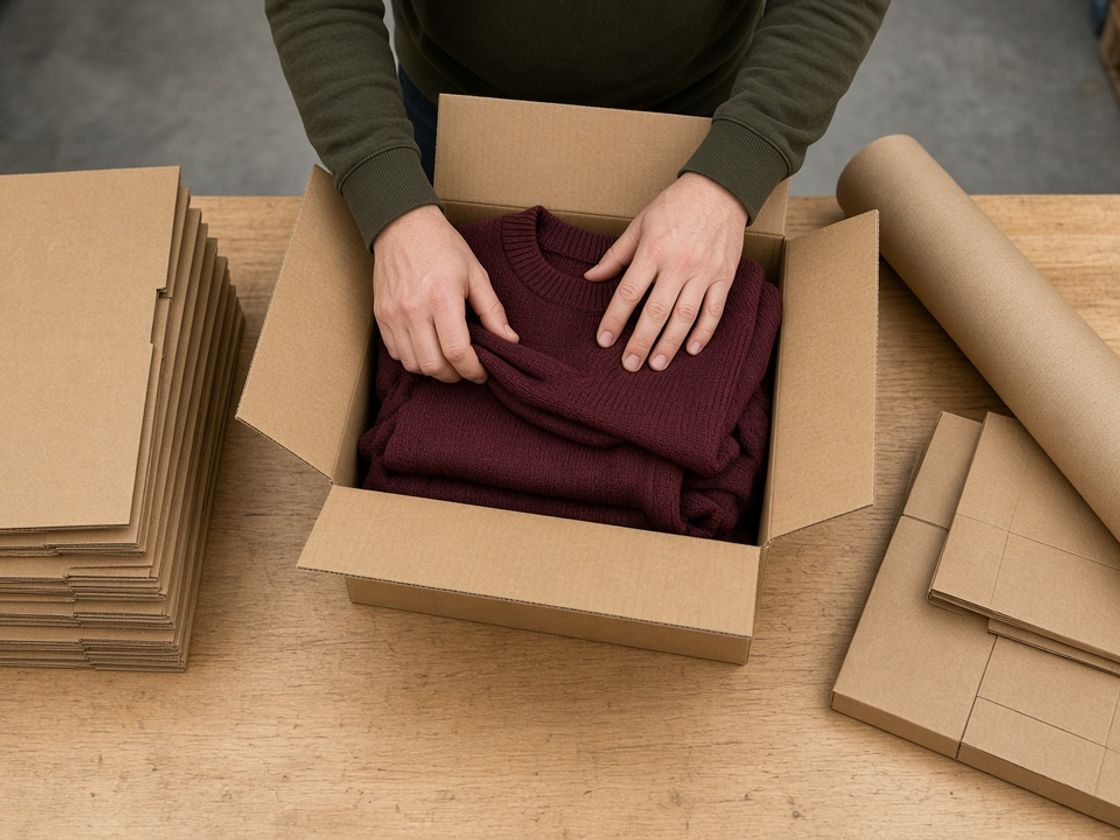
The packer chooses a carton or satchel that fits, protects anything fragile with fill, and seals the parcel. Packers are usually asked to pick a box that fits the goods without much empty space, since oversized boxes take up room on the truck.
6. The Parcel Is Labelled
A shipping label is printed and stuck on, usually after the parcel is weighed. Chandler's pick packer page includes attaching the right shipping details, and taking finished orders to the shipping area, in its list of responsibilities.
7. The Parcel Is Dispatched
Finished parcels are sorted by courier or delivery route, stacked onto pallets or into cages, wrapped where needed and loaded. Carriers collect at set times, so the whole process runs to the clock.
Where Pickers and Packers Sit on the Floor
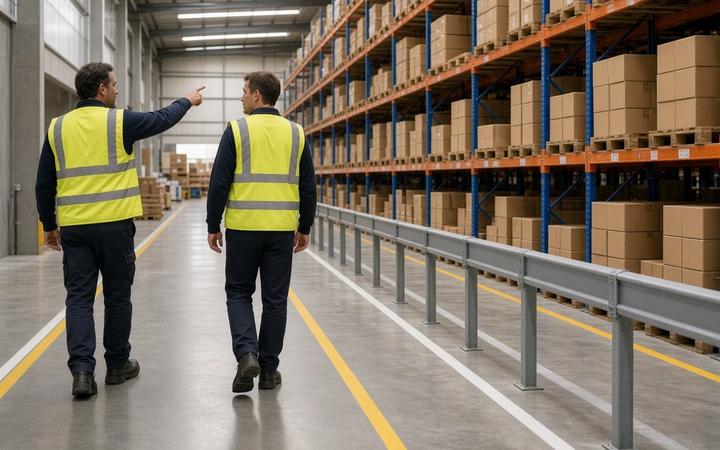
In a picking packing warehouse, pickers spend most of the shift moving between shelves, while packers stay at benches near dispatch. Other staff keep the flow going: storepersons receive and put away stock, and forklift drivers move full pallets and refill the shelves pickers work from.
How orders are released changes the picker's day. On some floors you collect for several orders in one trip; on others orders arrive in timed groups. If you later move into a lead role, the guide on how batch and wave picking change crew needs explains what each method asks of a team.
What the Work Feels Like
Warehouse picking is physical and repetitive. WorkSafe Victoria's compliance code on hazardous manual handling names two tasks from this job, picking warehouse orders and packing goods lifted off a conveyor into cartons, among its examples of repetitive movement. Expect to walk, bend, reach and be on your feet for nearly the whole shift, and follow the site's manual handling training.
Accuracy matters as much as speed. Many sites track pick rates, but a fast picker who sends the wrong items creates returns. Get it right first, and your pace will build with practice.
How to Get Your First Pick Packing Shift
Most pick packing roles do not need a formal qualification. Employers look for reliability, attention to detail and any experience with a handheld scanner, even from retail. A forklift is different: in Victoria, driving one counts as high risk work and needs a licence from WorkSafe.
Start by reading about pick packer work and the duties employers list for it. The page ends with a full application form covering your contact details, your experience, the licences and checks you hold, your work rights and a CV upload. There is also a short guide to pick packer work with a quicker form that asks for your name, email and phone.
Agencies that fill warehouse and logistics staffing roles place pick packers alongside storepersons, forklift drivers and dispatch staff, so one application can lead to several kinds of shift. When you see an ad, the guide to reading pick packer job ads explains what each line means before you apply.
Once a shift is offered, ask for the start time, the site address, where to report and what footwear the site expects. If you listed a forklift licence, keep the card with you, because the warehousing page says forklift licences are sighted and verified before a shift is confirmed.
Related Resources
- Pick packer role and application form
- Pick packer job glossary entry
- Warehousing and logistics roles
- How to read and answer pick packer ads
- Current job board
- WorkSafe guide to high risk work licences
Common Questions About Picking and Packing
1. What Is Pick Packing Work?
Pick packing work means collecting the items for customer orders from warehouse shelves, checking them and packing them ready for dispatch. One person may do the whole job, or a site may split it between pickers on the floor and packers at benches. It is a common entry point into warehouse work across many industries.
2. Do I Need Experience to Start Picking and Packing?
Often not. Many employers show new starters how their own scanners and systems work, and look for reliability and care more than a long work history. Any experience with a handheld scanner, stock counts or retail stockrooms helps. List it clearly on your CV and tell the agency or employer when you apply.
3. What Is a Pick List?
A pick list is the set of items and shelf locations for an order, shown on a handheld scanner or printed on paper. It tells the picker where to go, what to take and how many. Scanning each location and item as you pick confirms that the right goods have gone into the order.
4. Is Picking and Packing Hard Work?
It is physical work. Expect long periods on your feet, walking between aisles, bending and lifting cartons. WorkSafe Victoria counts order picking among its examples of repetitive movement in its manual handling compliance code, so use the lifting aids provided, follow your training and report any task that causes pain.
5. Do Pick Packers Need a Forklift Licence?
Not for most picking and packing roles. A licence is needed only if the job includes driving a forklift. In Victoria that licence comes from WorkSafe in one of two classes, LF for a standard forklift truck or LO for an order-picking forklift. A forklift licence can widen the shifts you are offered, but you can start without one.
From First Scan to the Truck
Picking and packing is one chain: an order is released, the stock is found, picked, checked, packed, labelled and sent. Learn each step, put accuracy first, and you will understand the work before your first shift. When you are ready, apply with your details, tickets and CV, and check the job board for current roles.