
Pick packer vacancies pack a lot into a few lines: the shift, the employment type, the tickets, the location and who is actually hiring. Reading each part carefully tells you whether the job suits you before you apply. Answering with a matching resume and a clear ticket list then makes it easier for the person screening applications to say yes.
This guide works for pick packer jobs in any city. It takes the common parts of an ad one at a time, then sets out how to apply and keep track of your applications.
Reading Pick Packer Vacancies Line by Line
Many ads follow a similar pattern. Work through each part before you decide to apply.
The Job Title and Duties
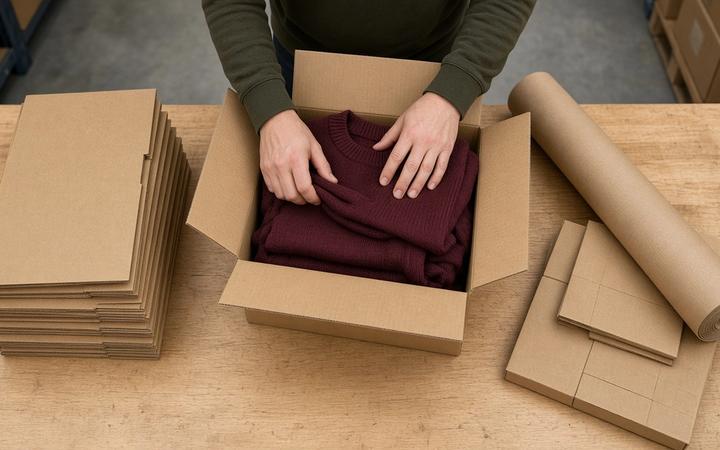
Titles vary more than the work does. The pick packer role details page notes that the job is also known as picker packer, order picker or warehouse picker, so search all four. The duties tell you more than the title. Typical lines include picking orders, packing and sealing containers, checking orders are accurate, wrapping pallets and loading or unloading trucks.
Match each duty to something you have done. If an ad mentions RF scanning, a handheld scanner used to record stock as it is picked, and you have used one, that belongs early in your resume.
Casual, Temp or Permanent
The employment type changes your pay, hours and security. The Fair Work Ombudsman's test for a casual is that, when the job starts, the employer makes no firm advance commitment to ongoing work, and the worker is paid a casual loading or a set casual rate. Permanent full-time and part-time staff have that commitment, normally work regular hours each week, receive paid leave and have a notice period when the job ends.
Temp usually means a set period or a short assignment. When an ad says an agency is recruiting for its client, the agency is advertising, and on labour hire the Ombudsman says the worker does the job for the host but is paid by the labour hire employer. Ask which business will employ you before you accept.
Shifts and Hours
Look for the start and finish times, the days, and whether hours are set or offered week to week. Night, early and weekend shifts can attract penalty rates under an award. The Ombudsman lists storeworkers, warehouse employees and forklift operators among the employees covered by the Storage and Wholesale Award, and its online tools help you find your award and calculate pay rates, penalty rates and allowances.
Tickets and Licences
Not every job for pickers and packers needs a licence. If the ad mentions a forklift, read which kind. WorkSafe Victoria licenses forklift work in two classes: LF covers a forklift truck and LO an order-picking forklift. The national forklift licence unit (TLILIC0003) defines a forklift so that it does not include a pedestrian-operated truck or a pallet truck, so a line about pallet jacks usually points to experience rather than a licence class. If you are unsure what a piece of equipment needs, ask before the first shift.
Some ads list a driver licence, a police check or a white card. Only claim what you hold, and be ready to show it.
The Physical Side
Pick packing is repetitive work. WorkSafe Victoria's manual handling compliance code gives picking orders in warehousing, and lifting goods from a conveyor belt and packing them into a carton, as examples of repetitive movement, one of the factors that can make manual handling hazardous. An ad that mentions lifting, long periods standing or cold store work is telling you what the shift asks of your body, so ask about breaks, rotation and equipment at interview.
Location and Trial Shifts
Check the suburb against how you will get there for an early or late start. If an employer asks for an unpaid trial, the Fair Work Ombudsman says a trial is a supervised demonstration of skills for the job, and one that runs longer than needed, which could range from an hour to one shift, may be unlawful. Time beyond that must be paid at the minimum rate.
How to Answer a Pick Packer Position Ad
Once a vacancy fits, the application has four parts. Keep each one short and specific.
A Resume That Matches the Ad
Start from the warehouse worker resume template, which comes in four designs as Word and PDF files, with sample wording for the introduction, experience and skills sections. Use the ad's task words where they are true for you, such as picking, packing, RF scanning or pallet wrapping, and put your most recent warehouse work first.
A Clear Ticket List
Give each ticket its own line: the name, the class and the expiry date. WorkSafe sets a five-year life on a high risk work licence, so check yours has not lapsed. A line such as "Forklift licence, LF class, current" is easier to screen than a general note that you are licensed.
A Short Cover Letter
Many picker packer position ads do not ask for a cover letter, but a short one helps when they do. The warehouse cover letter kit gives one editable letter structure, three role variants including pick packer, and an application checklist. Keep it to one page and use a real example from your own work.
Apply, Then Track
The pick packer page at Chandler Personnel has an application form asking for your name, email, phone, suburb and relevant experience, tick boxes for a driver licence, own car, working with children check, police check, forklift licence, white card and MR licence, your work rights and a CV upload. You can also browse the current job board for open roles.
If you apply to several roles at once, the job application tracker logs each application with the CV version you sent, its status and a follow-up date, with room for 60 applications.
Related Resources
- Pick packer role details
- Warehouse worker resume template
- Warehouse cover letter kit
- Fair Work guide to casual employees
- Fair Work guide to unpaid trials
- WorkSafe high risk work licences
Common Questions About Pick Packer Vacancies
1. What Do Pick Packer Vacancies Usually Ask For?
Ads commonly list duties such as picking orders, packing and sealing cartons, checking orders for accuracy and wrapping pallets. Some add RF scanner experience, a driver licence, a police check or a forklift licence. Read the duties and the requirements separately, and apply when you meet the requirements, even if one duty is new to you.
2. Is a Pallet Jack the Same as a Forklift?
Not for licence purposes. The national forklift licence unit defines a forklift so that it does not include a pedestrian-operated truck or a pallet truck. In Victoria, WorkSafe issues the LF class for forklift trucks and the LO class for order-picking forklifts. List pallet jack use on your resume as experience, and ask the employer if you are unsure.
3. What Does Casual Mean in a Pick Packer Ad?
It means the employer has not made a firm advance commitment to ongoing work, and you receive a casual loading or a casual rate instead, according to the Fair Work Ombudsman. Casual roles usually have no paid leave, and hours can change from week to week, so ask how shifts are offered.
4. Should I Do an Unpaid Trial Shift?
A short, supervised trial to show your skills can be lawful. The Fair Work Ombudsman says a trial that goes beyond a demonstration, runs longer than needed or is not directly supervised may be unlawful, and extra time must be paid. If you are asked to work a normal shift for free, ask to be paid.
5. How Soon Should I Follow Up an Application?
Allow a few working days, then send a short, polite message asking whether the employer or agency needs anything else from you. Note the date in your tracker, and keep your tickets and identity documents on hand so you can accept quickly if a shift is offered.
Read the Ad Twice, Then Apply Once
A careful read tells you the employment type, the shift, the tickets and the physical demands before you commit. Apply with a resume that mirrors the duties, a ticket list with classes and expiry dates and, where asked, a one-page cover letter. Then track every application and follow up on time.