What is a blue collar worker? In plain Australian English, it is someone whose job is mainly hands-on: physical or technical work done in a warehouse, factory, workshop, depot or on a site, rather than at an office desk. Forklift drivers, process workers, electricians, truck drivers and labourers all fit. The label describes the kind of work, not how skilled, well paid or important it is.
This guide explains where the term came from, what the work looks like across four industries, how it compares with white collar work, and how people get started.
A Plain Definition of a Blue Collar Worker
The Cambridge Dictionary says blue-collar workers do work needing strength or physical skill rather than office work. Merriam-Webster's definition looks at clothing: wage earners whose duties call for wearing work clothes or protective clothing.
Both definitions point to the same test. Ask where the work happens and what it involves. If the job is mainly done with your hands, tools, machines or vehicles, in a place where goods are made, moved, built or fixed, it is blue collar work.
Where the Term Blue Collar Comes From
The phrase grew out of clothing. Merriam-Webster dates the first known use of "blue-collar" to 1929, and the Online Etymology Dictionary traces it to the common colour of men's work shirts.
"White-collar" is older. Merriam-Webster dates it to 1911, describing salaried staff whose duties do not call for work clothes. Few people now dress by these rules; as an example sentence in the Cambridge Dictionary puts it, few white-collar workers actually wear white shirts these days. Blue collars have become a label for a type of work rather than a uniform.
What Blue Collar Workers Do in Four Industries
The clearest way to see the definition is to look at the work itself. Each example below shows a typical task, not a full list of jobs. For the roles themselves, see this rundown of blue collar professions in Australia.
Warehousing
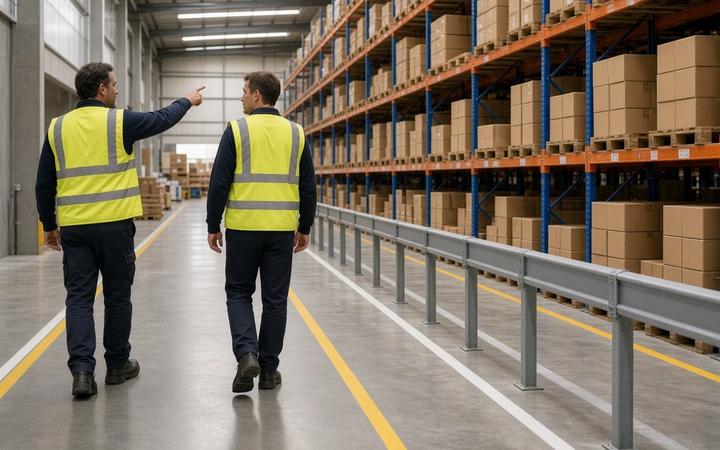
In a distribution centre, blue collar workers receive deliveries, put stock away, pick and pack orders and load trucks. Some roles need no ticket at all, while forklift work needs a high risk work licence. The warehousing careers page shows how wide one industry can be, running from forklift and truck drivers to inventory managers and dispatch officers.
Manufacturing
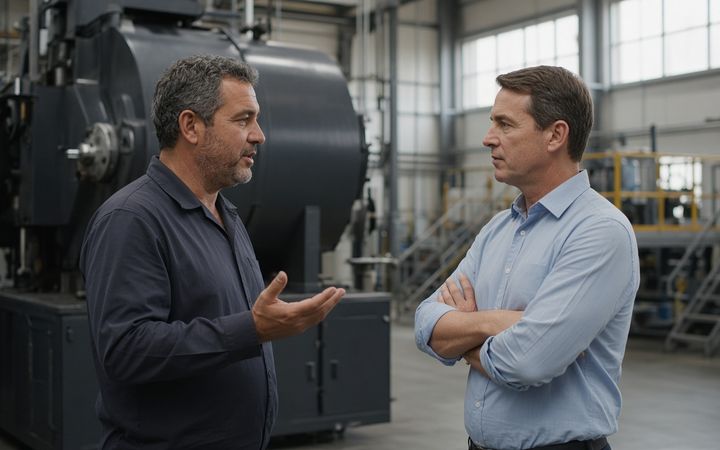
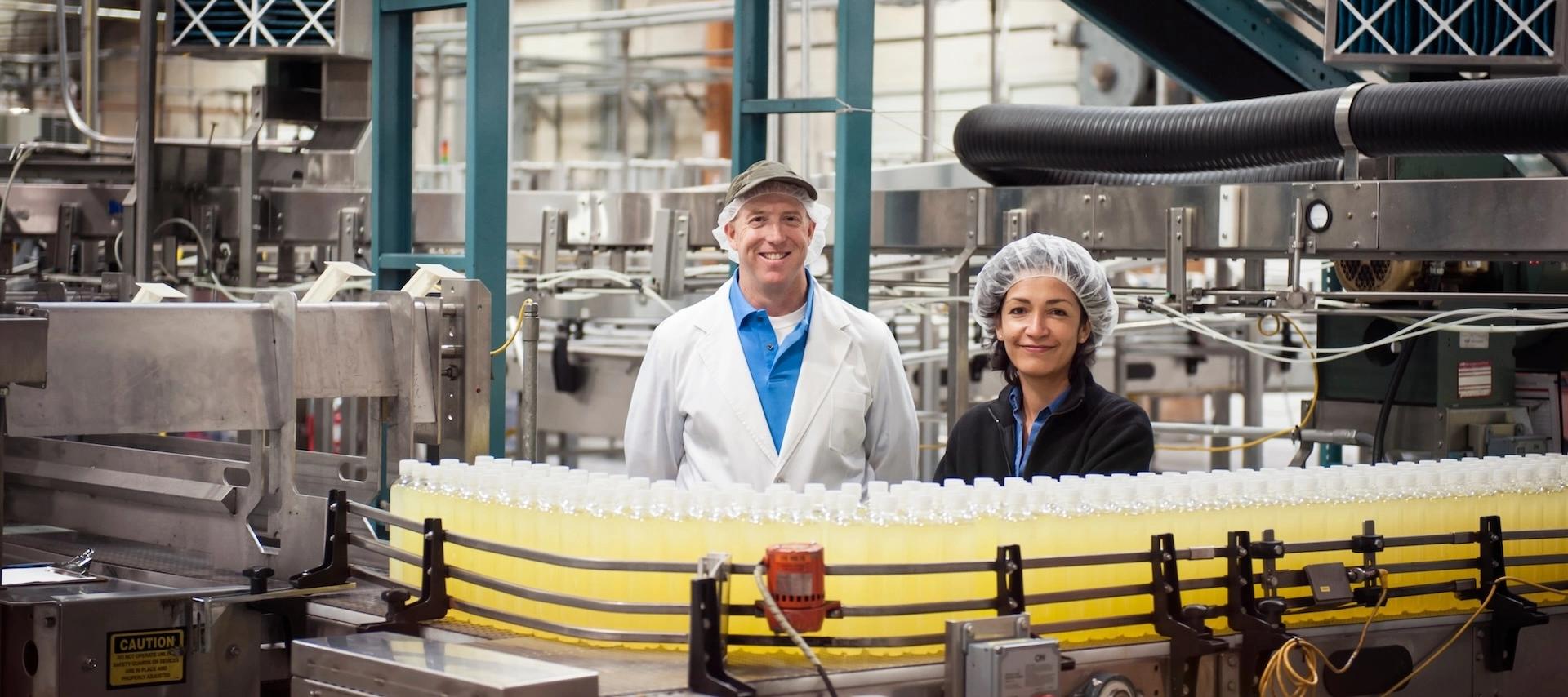
On a production line, workers run and monitor machines, assemble and check products and pack finished goods. Skilled roles include machine operators, welders and maintenance fitters who keep the plant running. Safety steps such as isolating a machine before cleaning or repairing it are part of everyday work.
Construction
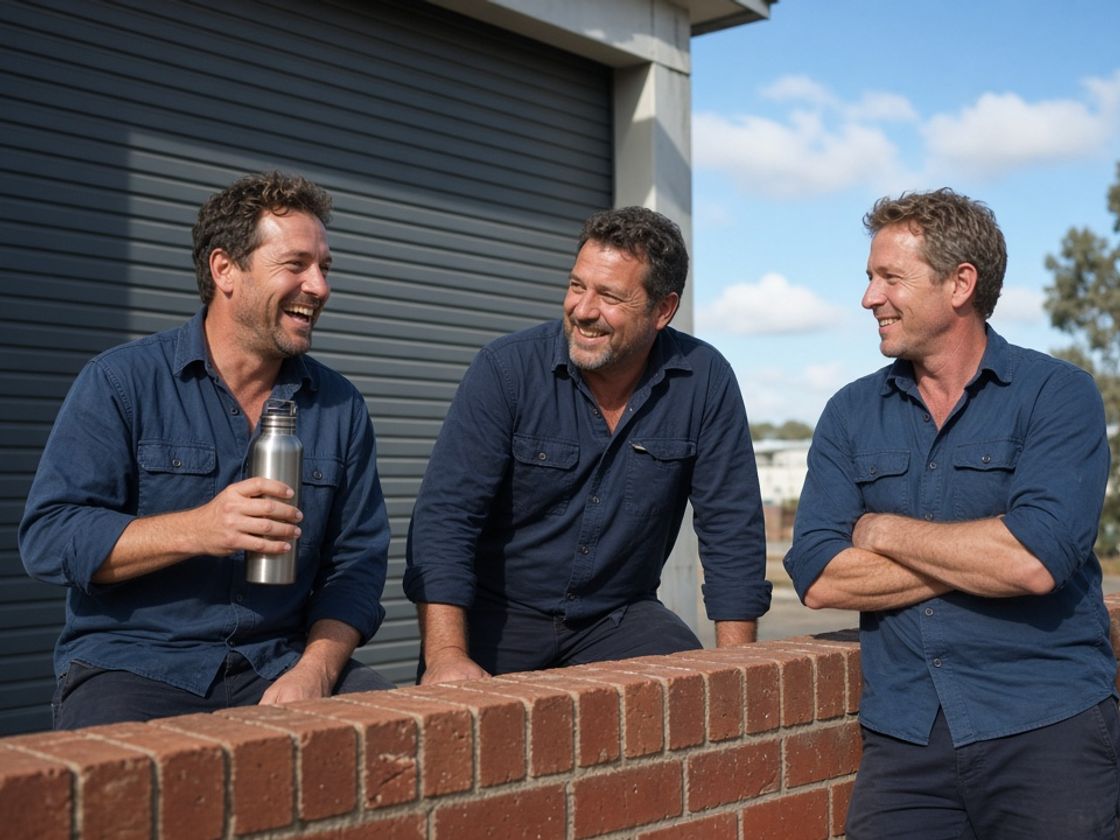
On building sites, labourers prepare the site, carry materials and clean up, while carpenters, electricians and plumbers do the trade work. In Victoria, anyone doing construction work needs a white card, which shows they have completed general construction induction training.
Logistics and Transport
Truck drivers, delivery drivers and loaders move goods between ports, warehouses, shops and homes. Heavier vehicles need the right class of driver licence, and drivers work within rules on load restraint and fatigue.
Blue Collar and White Collar Compared
The split between white collar and blue collar work is about where and how work is done. The Cambridge Dictionary describes white-collar work as office work that needs mental rather than physical effort. Blue collar work is done on the floor, the site or the road.
In practice the line blurs. A warehouse team leader may spend half the shift on the floor and half planning rosters. A maintenance planner might hold a trade but work mostly at a desk. Quality inspectors, dispatch officers and site supervisors often sit in the middle.
The label is a rough guide, not a rule, and neither side is better than the other. Blue collar people and office staff depend on each other in almost every business.
Skills, Training and Pay Beyond the Label
Blue collar does not mean unskilled. Many trades are learned through an apprenticeship, and the Fair Work Ombudsman says it often takes 3 to 4 years to complete an apprenticeship full-time. Other roles, such as pick packing or process work, are often learned on the job, with tickets added as you go.
A ticket is a short course or licence that lets you do one specific task. A white card is needed to work on construction sites, and a high risk work licence is needed to drive a forklift; in Victoria, WorkSafe issues that licence for five years at a time. Collecting the right tickets is often the quickest way to widen the shifts you can take.
Demand for skilled blue collar workers is strong in parts of the market. Jobs and Skills Australia's 2025 Occupation Shortage List found close to half of the occupations in the Technicians and Trades Workers group in shortage.
Pay is set by the job, not the collar. Modern awards include classifications that describe roles and the experience or qualifications each one needs, and an enterprise agreement can set different terms. Shift work, overtime and penalty rates can also change what a blue-collar worker takes home.
Getting Started as a Blue Collar Worker
Start with the kind of work that suits you: moving goods, making things, building or driving. Then check which tickets those roles ask for, such as a forklift licence, a white card or a driver licence. Common roles, the tickets employers ask for and application tips are covered in the article on blue collar jobs in Melbourne.
Chandler Personnel's job seeker resources page lists roles it is always hiring for, and adds machine operators, cold storage operators, labourers and packhouse workers. If you already hold a trade, the qualified trades resume template has four designs to download, each in Word and PDF, plus suggested wording you can adapt section by section.
Related Resources
- Blue collar professions in Australia
- Which Australian job groups count as blue collar
- Blue collar jobs in Melbourne
- Resources for job seekers
- Qualified trades resume template
- Fair Work guide to apprentices and trainees
Common Questions About Blue Collar Workers
1. What Is a Blue Collar Worker in Simple Terms?
A blue collar worker is someone who does hands-on work, using strength, physical skill, tools, machines or vehicles, rather than working in an office. Warehouse staff, factory workers, tradespeople, labourers and drivers are common examples. The term describes the type of work only, and says nothing about a person's skill level or pay.
2. Why Is It Called Blue Collar?
The name comes from the blue work shirts that manual workers commonly wore. Merriam-Webster dates the first known use of the term to 1929, and the Online Etymology Dictionary links it to the usual colour of men's work shirts. It was set against "white-collar", the older term for salaried office staff.
3. Is Warehouse Work Blue Collar?
Yes. Picking, packing, receiving stock, driving forklifts and loading trucks are hands-on jobs done on a warehouse floor, so they are blue collar work. Some warehouse roles need no ticket to start, while forklift driving needs a high risk work licence. Office roles in the same building, such as customer service, are usually counted as white collar.
4. Is Blue Collar Work Only Manual Labour?
No. Manual labour is part of it, but many blue collar jobs are highly technical. Electricians, fitters and CNC machinists use precise skills and often complete a trade qualification through an apprenticeship. Machine operators and forklift drivers work with complex equipment. The common thread is hands-on work, not a lack of skill.
5. Can Blue Collar Work Become a Long-Term Career?
Yes. Many people start in an entry role, add tickets such as a forklift licence, then move into leading hand, supervisor or trade roles. Apprenticeships lead to a trade qualification, and Jobs and Skills Australia's shortage list shows many trades occupations in demand. Experience on the floor also counts when stepping into team leadership.
The Work, Not the Shirt, Defines the Job
A blue collar worker does hands-on work in a warehouse, factory, site or vehicle, and the term goes back to the blue shirts that work once called for. Today it covers everything from first-day pick packers to licensed electricians. Pick the kind of work you enjoy, learn which tickets it needs, and build from there.