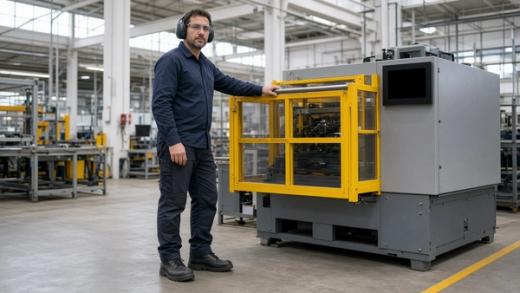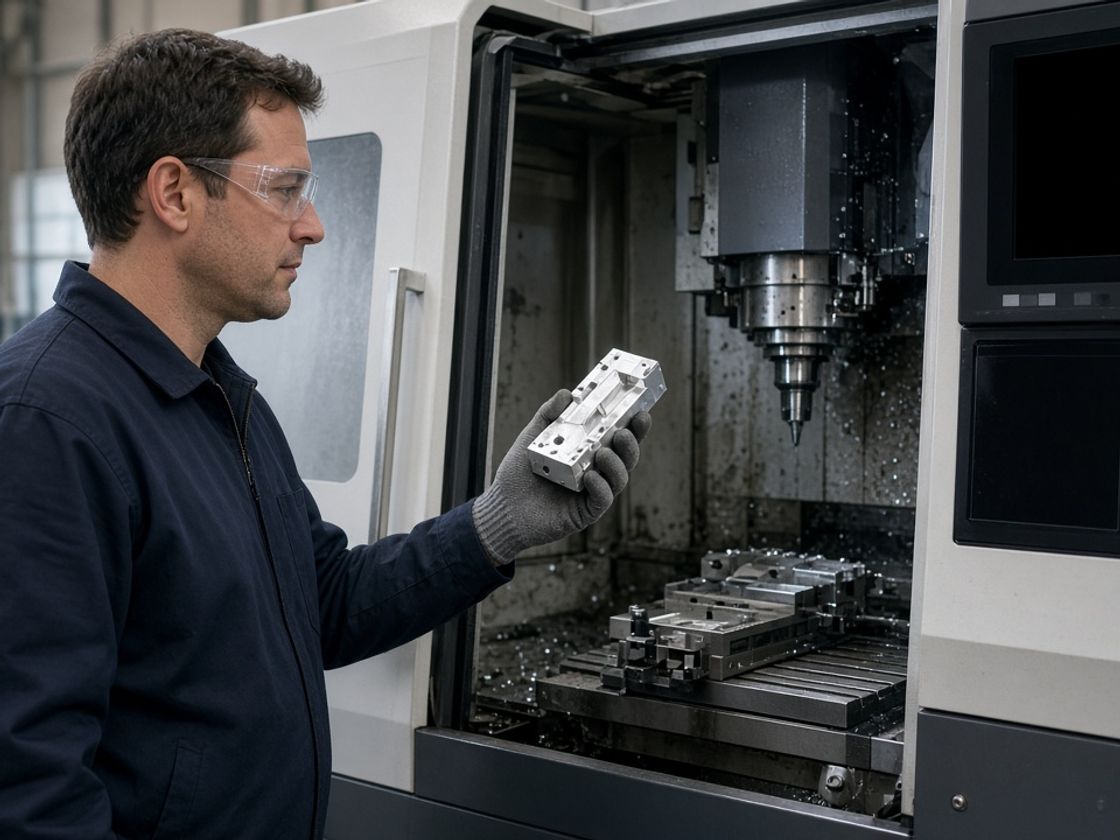
Typical duties
- Read engineering drawings and work orders
- Set up CNC mills and lathes with tooling and fixtures
- Load or edit machine programs
- Run first-off parts and measure them
- Adjust offsets to hold tolerances
- Change worn tooling and check surface finish
- Record inspection results
- Keep the machine and work area clean and safe
Skills, licences & tickets
- Certificate III in Engineering (Mechanical Trade) or equivalent
- Reading engineering drawings
- Precision measuring with micrometers and callipers
- Familiarity with G-code and CNC controls
- Problem solving when a part drifts out of tolerance
- Attention to detail
A CNC machinist programs, sets up and runs computer-controlled machines that cut metal and plastic parts. This CNC machinist job description explains the daily work, the trade background employers expect and how the career develops.
CNC stands for computer numerical control. Instead of guiding the cutting tool by hand, the machinist loads a program and lets the machine follow it, while the machinist controls setup, measurement and quality.
What does a CNC machinist do?
The machinist starts with a drawing and a work order. They select the tooling, secure the material in a vice or fixture and load the program. They run the first part, measure it and adjust offsets until it is correct.
Once production starts, the machinist watches for tool wear, vibration and finish problems. They stop the cycle when something is wrong, correct it and record the result.
Operator, setter and programmer
- Operator loads parts and runs a proven program.
- Setter prepares the machine, tooling and first-off part.
- Programmer writes and proves programs, often with CAM software.
Skills and tickets employers look for
Employers value drawing reading, accurate measuring and an understanding of speeds, feeds and tooling. A Certificate III in Engineering (Mechanical Trade) is common for machinists who set up and program. Operator roles may ask only for CNC experience and a safe work record.
Safe machine use remains central. Safe Work Australia's guide on managing the risks of plant covers guarding, isolation and training.
Pay, hours and employment types
CNC work is offered casual, contract and permanent, often on day shift with some sites running two shifts. Pay is commonly set under the Manufacturing and Associated Industries and Occupations Award or an enterprise agreement, and varies with trade classification and the complexity of work.
How to become a CNC machinist
The usual path is an apprenticeship in mechanical engineering. Some people start as machine operators, learn setup and programming on the job and complete a trade qualification later. A resume that lists the machines, controllers and materials you have worked with will stand out. The CNC machinist resume template shows how to present that experience.
Related Resources
- CNC machinist resume template
- Manufacturing and production labour hire in Melbourne
- Qualified trades resume template and guide
- Warehouse and factory interview preparation pack
- Manufacturing award summary from Fair Work Ombudsman
- Managing the risks of plant from Safe Work Australia
Frequently Asked Questions
What does CNC stand for?
CNC stands for computer numerical control. It describes machines that follow a coded program to cut, drill or turn a part.
Do I need a trade qualification to work as a CNC machinist?
A trade qualification is the usual requirement for setting up and programming. Operator roles that run proven programs may not require one.
What is G-code?
G-code is the programming language most CNC machines use. It tells the machine where to move, how fast to cut and which tool to use.
What is the difference between a CNC operator and a CNC machinist?
An operator typically loads parts and runs a finished program. A machinist also sets up, measures, adjusts offsets and solves cutting problems.
Precision Is the Pay Rise
The more accurately you can set, measure and correct, the more valuable you become to a machining shop. Build your resume with the machines and materials you know, then check current openings on the job board or submit your CV.