Typical duties
- Plant, thin and weed crops
- Pick and sort produce by size and quality
- Pack produce into crates and cartons
- Operate irrigation and basic farm equipment
- Apply sprays only if trained and authorised
- Load and move produce safely
- Keep tools, sheds and packing areas clean
- Follow heat, sun and farm safety rules
Skills, licences & tickets
- Physical fitness for outdoor and repetitive work
- Reliability through early starts and seasonal peaks
- Car licence for travel between sites
- Chemical handling training if applying sprays
- Basic machinery or tractor experience is a bonus
- Teamwork and willingness to learn
A farm hand plants, tends, picks and packs crops and helps keep the farm running. This farm hand job description explains the daily tasks, the safety training that matters and how pay works in horticulture.
Farm work is seasonal. Peak periods such as harvest need many extra people, while quieter months have fewer hours. That makes it a flexible choice for people who want casual or contract work.
What does a farm hand do?
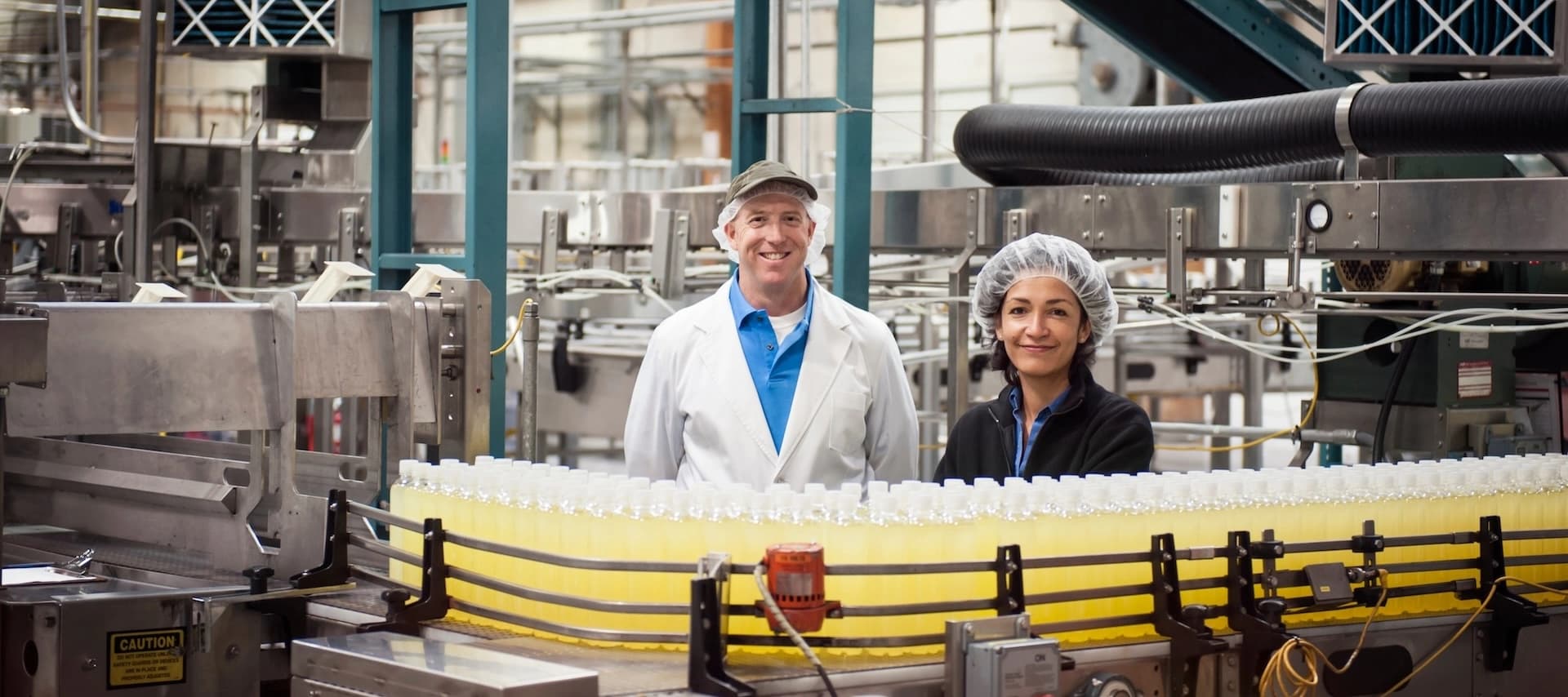
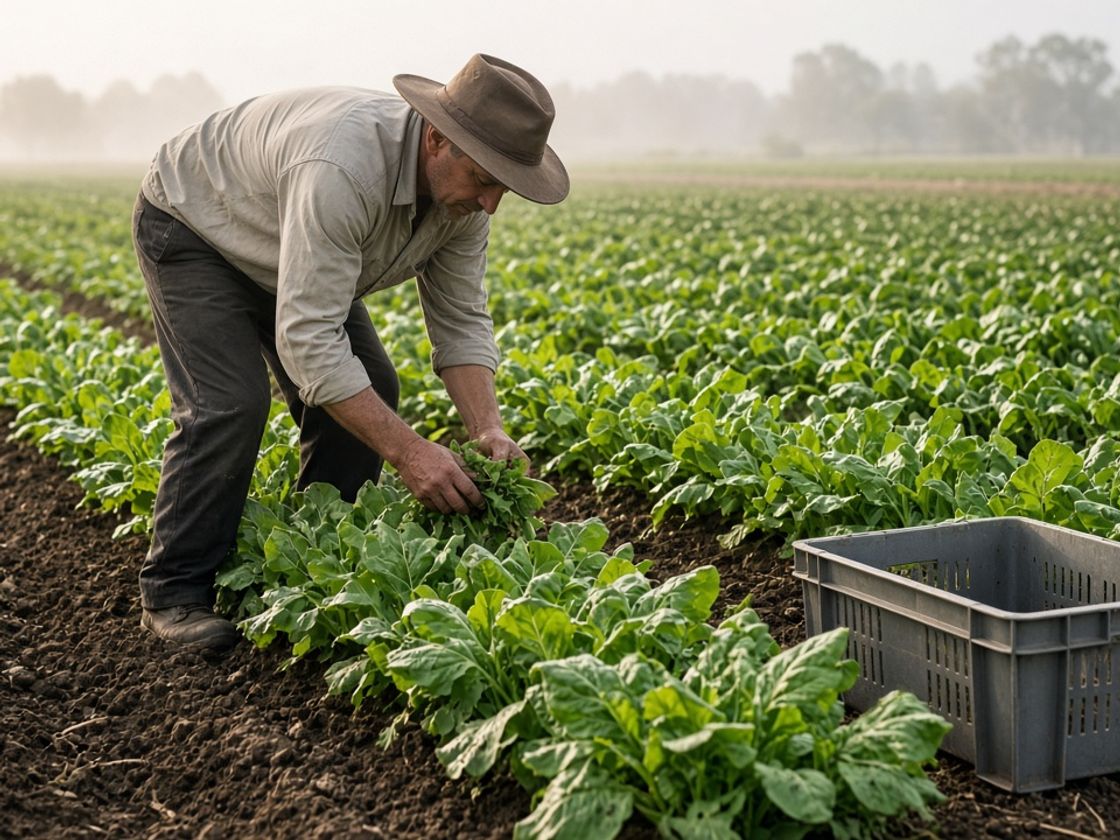
Tasks change with the crop and the season. In spring, farm hands plant and thin crops. In summer and autumn, they pick, sort and pack produce. Through the year, they maintain irrigation, tidy packing sheds and move produce to cold storage or trucks.
The work can be repetitive and physical, but it is also varied. Many people enjoy being outdoors and working as part of a team.
Staying safe outdoors
Heat, sun, machinery and chemicals are the main risks on farms. Employers should provide breaks, shade and water, and workers should wear sun protection and report hazards. If you apply chemicals, you need proper training, such as ChemCert accredited chemical training.
Skills and tickets employers look for
Employers look for reliable, fit people who start on time and work steadily. A car licence helps with travel between sites. Tractor, forklift and chemical handling experience are valuable but are not required for entry level picking and packing roles.
Pay, hours and employment types
Farm hand work is offered casual, seasonal and permanent. The Horticulture Award sets minimum pay and conditions for most horticulture work, and it allows piece rates where a written agreement is in place. Most awards add a 25 per cent loading for casual work, as the Fair Work guide to casual employment explains.
Always check how you are paid, the hours, and whether you will be paid by the hour or by the amount you pick. Keep your own records of the hours you work.
How to become a farm hand
Apply for seasonal and entry level roles, tell employers about your availability and show that you can work in all weather. After a season or two, you can step into supervisor, machinery or packing shed roles. The general labourer resume template helps you present outdoor and physical work.
Related Resources
- General labourer resume template
- Casual pay and payslip check worksheet
- Weekly hours log and timesheet tracker
- Job seeker information
- Horticulture Award summary from Fair Work Ombudsman
- ChemCert chemical training
Frequently Asked Questions
Do I need experience to work as a farm hand?
Not for most entry level picking and packing roles. Employers mostly want reliable people who can work steadily and follow instructions.
What is piece rate pay?
Piece rate means you are paid by the amount you pick or pack instead of by the hour. Under the Horticulture Award, a written piecework agreement must be in place.
Is farm work only seasonal?
Much of it is, but some farms and packing sheds offer year-round roles. Ask about the length of the contract and the expected hours.
What should I wear for farm work?
Wear sun protection, a wide-brimmed hat, sturdy boots and clothing suited to the weather. Your employer should explain any extra protective equipment.
Keep Your Own Record of the Hours
Farm work pays best when you know the award, track your hours and ask about the pay method before you start. When you are ready, see current roles on the job board or submit your CV.