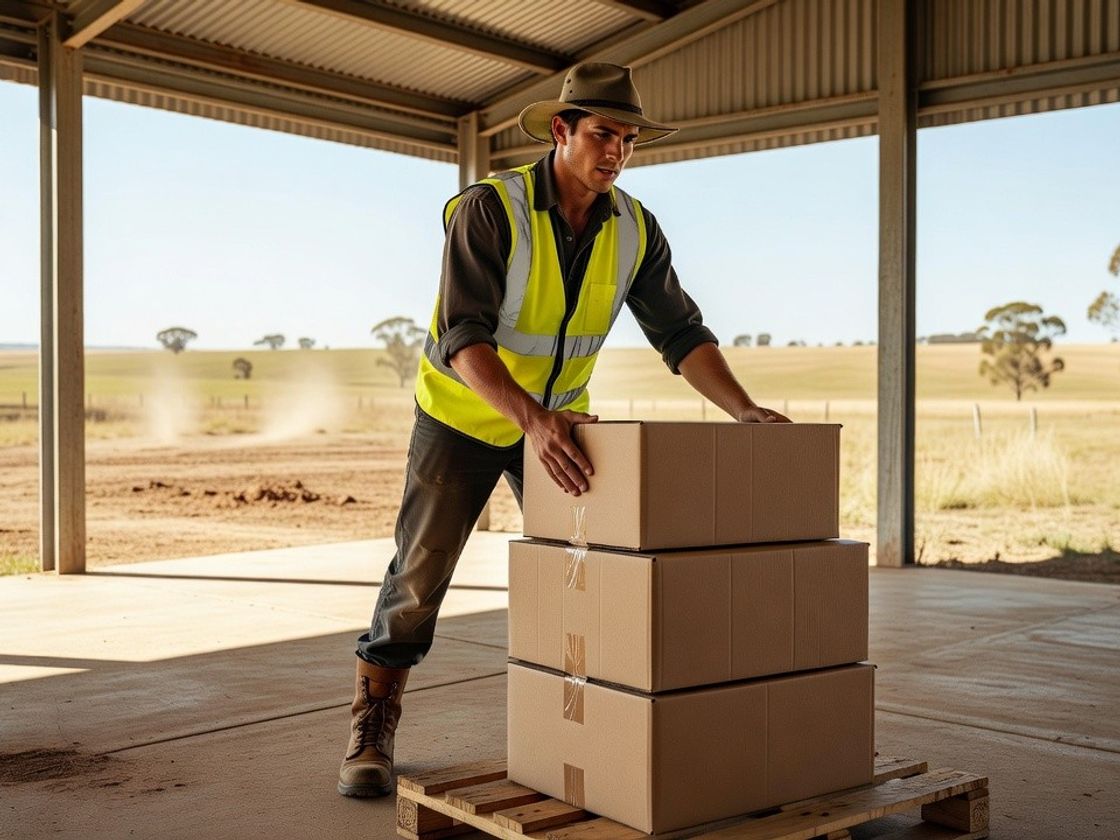
Warehouse jobs in Toowoomba for WHV holders can help you stay longer in Australia, but only some of them count as specified work. Toowoomba sits inside the regional Queensland postcodes Home Affairs lists, so the location usually checks out. The question that decides your second or third visa is the industry the job belongs to.
This guide is for Working Holiday Makers on a 417 or 462 visa who want warehouse, packing or store work around Toowoomba and the Darling Downs, and who need those days to count.
What specified work means for a regional warehouse job in QLD
Specified work is work in a specified industry and a specified area of Australia, and both tests must be met. Home Affairs lists the industries and the eligible postcodes on its specified work page for the Working Holiday visa (subclass 417), and a separate page covers the Work and Holiday visa (subclass 462).
Location is the easier test around Toowoomba. The regional Australia list for Queensland includes the postcode range 4307 to 4499, and the city's main postcode, 4350, falls inside it. The same range appears on the 462 page. Check the exact postcode of the site, not the town on the job ad, because a depot address can sit in a different postcode from the town it is named after.
Industry is where regional warehouse work in QLD gets tricky, because warehousing is not a listed industry. For a 417 visa in regional Australia, the list covers the plant and animal category, fishing and pearling, tree farming and felling, mining and construction. For a 462 visa in regional Australia, it is the plant and animal category and construction.
Which warehouse and packing roles can count
Home Affairs defines its plant and animal category as the harvesting and packing of fruit and vegetable crops, and the immediate processing of animal products, including shearing, butchery, packing and tanning. Its examples also include the immediate processing of plant products. A farm warehouse role in QLD where you pack produce from the paddock sits much closer to that definition than picking retail orders in a distribution centre.
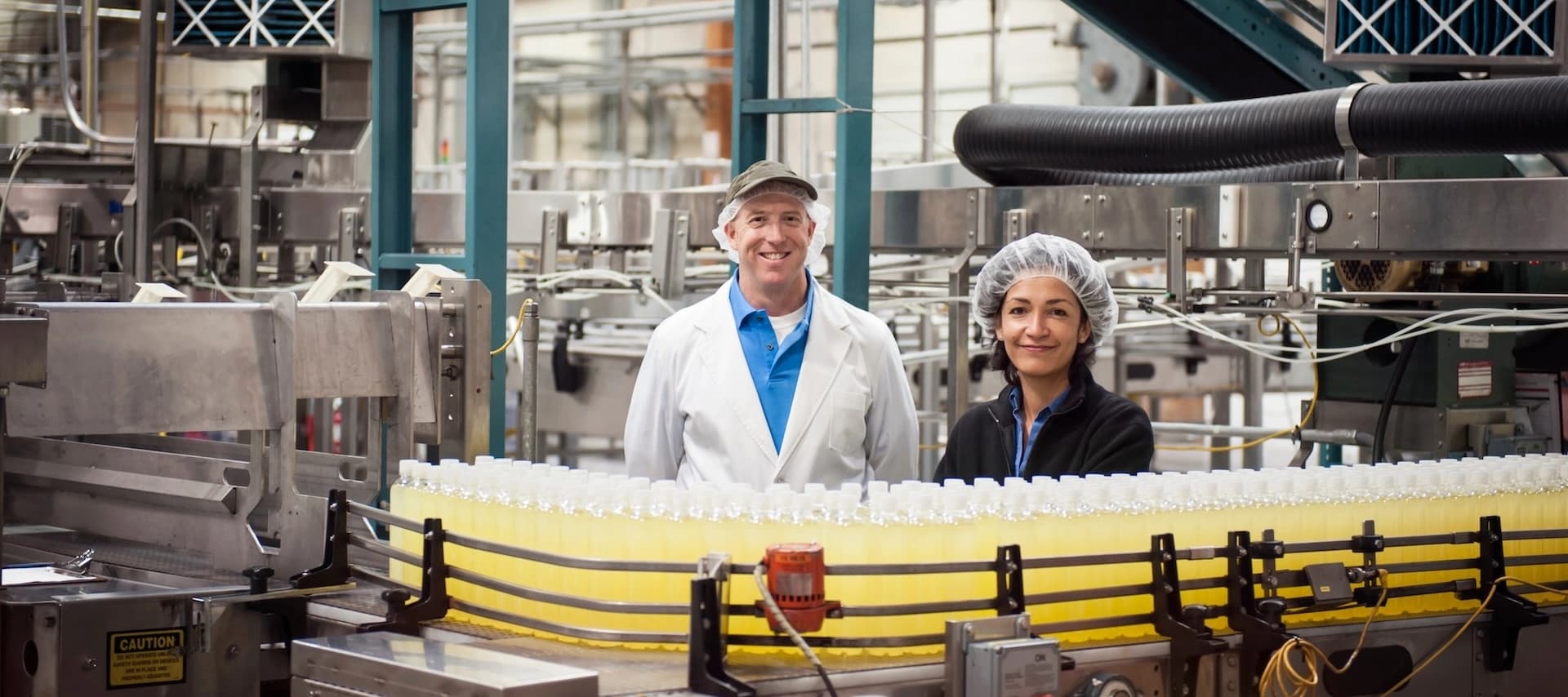
- Packing shed or grading line: packing fruit or vegetable crops sits inside the definition, provided it is your primary task.
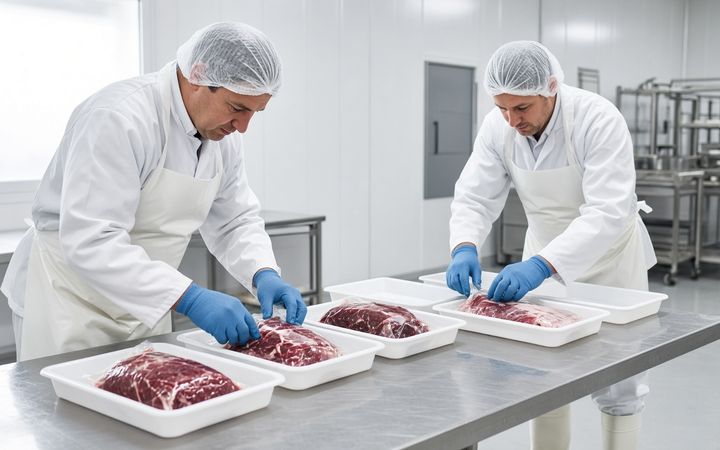
- Meat or animal product packing: immediate processing such as butchery and packing is listed. Making processed meats is not.
- Secondary processing: Home Affairs excludes winemaking, brewing and distillation, milling and the manufacture of small goods, even in a regional postcode.
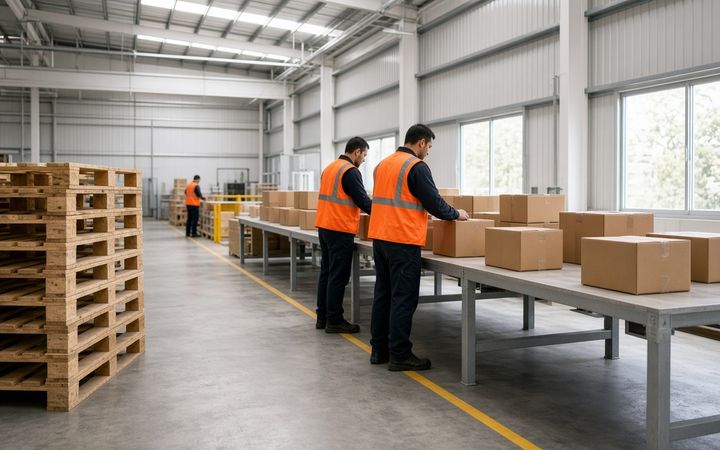
- General warehouse or distribution work: picking, packing and despatching manufactured goods is not in the industry list.
Home Affairs also says it is temporarily applying some flexibility, giving more weight to the industry. Work that supports the ongoing operations of a specified industry in an eligible postcode, such as administrative and cleaning support, may be accepted. Treat a support role as uncertain until you have read the current page.
The guide to farm labour hire in Queensland is written for growers booking crews, and it covers their licence check and heat planning. For the city end of the market, the job seeker guide to warehouse jobs in Brisbane explains the common roles and tickets, but most Brisbane postcodes sit outside the regional range, so check before you count on city work as specified work.
How the 88 days in a Queensland warehouse or packing shed add up
Home Affairs counts specified work by days worked against a full-time pattern, not by weeks on the calendar. Three months means a period equal to the three shortest calendar months, which is at least 88 calendar days. For a third visa, six months means at least 179 calendar days, done while you held your second visa and on or after 1 July 2019.
- Full-time: five days a week for three calendar months meets the requirement.
- Part-time: fewer days a week counts, but over a longer period, until you match the days a full-time worker would do.
- Several jobs: you can split the work across employers and periods, and add them together.
- Long shifts: one calendar day counts as one day, however many hours you work.
- Weather: unpaid days when you could not work because of severe or seasonal weather do not count, and Home Affairs makes no exception for them.
Plan early. Home Affairs advises against leaving specified work to the end of your stay, because weather, illness or a lack of shifts can leave you short.
Agency placements and the 6 month limit
A WHM visa generally limits you to six months with one employer, under condition 8547. Home Affairs says that if an agency or labour supplier refers you to a business, you can work for that business for six months, and the agency can then refer you to another business for another six months. You cannot stay in the same position at the same location past six months by switching agencies.
Some work is exempt from the limit under current settings, including plant and animal work anywhere in Australia and critical sectors such as agriculture and food processing. Read the 6 month work limitation page before planning a long stay at one packing shed.
Pay, payslips and records to keep
Home Affairs says all specified 417 work must be paid in line with Australian legislation and awards. The Fair Work Ombudsman says visa workers are entitled to the same minimum pay rates as any other employee doing the same job, and that a payslip must be provided each time you are paid.
Keep a file for your visa application:
- Payslips: every one, showing the employer, dates and hours.
- Employment contract or offer: Home Affairs suggests keeping a copy, especially for rostered shift patterns.
- Site address and postcode: the actual place you worked, not the head office.
- Duties: a short note of your main task, such as packing vegetables on a grading line.
Summer heat is a hazard in sheds and on packing lines. WorkSafe Queensland says there is no set temperature that makes a day safe or unsafe, and it points to cool water, rest areas and training as controls. Ask at the start how breaks and water work on your site.
Finding regional jobs in QLD through an agency
Read every ad for three things: the site postcode, the main task and the employer's industry. If any of those are unclear, ask before you accept. Chandler Personnel, a labour hire and permanent recruitment agency, keeps a job board that shows where each current role is located, so you can check the postcode first.
Chandler's page on working holiday pathways is aimed at UK and Irish applicants. Since 1 July 2024, UK passport holders do not need specified work for a second or third 417 visa, so read any eligibility notes against the current Home Affairs page. For the employer side of visa changes, see the visa restrictions guide.
Related Resources
- Current jobs on the job board
- Working holiday pathways
- Warehouse jobs in Brisbane
- Farm labour hire in Queensland
- Visa restrictions guide
- Specified work for the 417 visa
- Workplace rights for visa holders
Common Questions About Warehouse Jobs in Toowoomba on a WHV
1. Does Toowoomba count as regional Australia for a WHV?
Yes, for location. Home Affairs lists Queensland postcodes 4307 to 4499 as regional Australia on both the 417 and 462 specified work pages, and Toowoomba's main postcode, 4350, is in that range. The job must also be in an approved industry for the days to count.
2. Does warehouse work count towards a second year visa?
Not on its own. Warehousing is not a listed industry. Packing fruit and vegetable crops, or the immediate processing of animal products, can count in a regional postcode. Home Affairs may accept support roles within a specified industry, such as cleaning or administration, under its current flexibility, but it does not promise to.
3. How many days do I need for a second Working Holiday visa?
At least three months of specified work, which Home Affairs treats as a minimum of 88 calendar days. You must also complete the same number of normal days or shifts a full-time employee in that role would work over the period. A third visa needs six months, or at least 179 calendar days.
4. Do UK citizens still need to do 88 days?
Not for an application lodged on or after 1 July 2024. Home Affairs says UK passport holders do not need to meet the specified work requirement for a second or third 417 visa, provided they lodge using a UK passport. Holders of other passports still need to meet the requirement.
5. Can I work longer than six months at one packing shed?
Possibly. Under current settings the six month limit does not apply to plant and animal work anywhere in Australia, or to critical sectors such as agriculture and food processing. Outside an exemption, you generally need written permission from Home Affairs to stay longer with one employer, and the request must go in before six months pass.
Check the Postcode and the Task First
Warehouse jobs around Toowoomba can count towards your next visa when the site postcode is regional and the work is packing or processing within an approved industry. Check both before you accept, count your days against a full-time pattern and keep every payslip. When the details line up, apply early so weather or a slow week does not leave you short.