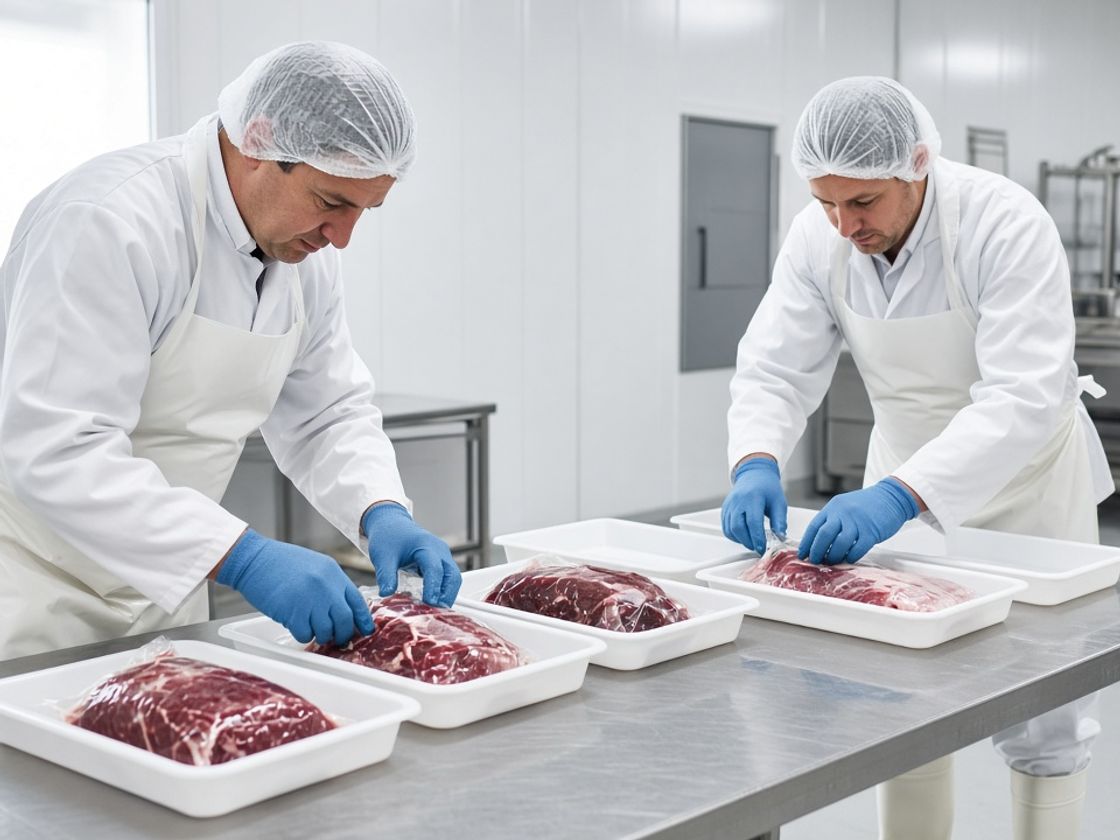
Meat process worker jobs in Brisbane and across South East Queensland range from packing and labelling to knife work in a boning room. Before you apply, expect safety training on knives and PPE, physical work in chilled areas, and, at sites handling cattle, sheep or goats, screening and vaccination for Q fever.
This guide is for job seekers. It explains what the work involves, the safety rules Workplace Health and Safety Queensland (WHSQ) sets out for the industry, and how to get an application ready. It does not cover pay rates, which depend on the award or agreement for each job.
What Meat Process Work Involves
Meat process work covers the steps that turn carcasses into packed product. Safe Food Production Queensland counts deboning, chilling, freezing, curing and packaging among processing activities, and a business doing that work needs accreditation as a meat processor.
Not every role involves a knife. Chandler Personnel's meat process worker guide lists tasks such as packing products, mixing and weighing ingredients, running machines, quality checks on food products, end-of-shift cleaning and following food hygiene standards. The job described on that page is in Victoria, so read each Queensland ad for its own duties.
Abattoir jobs in Queensland also include work on the slaughter floor, in chillers and in boning rooms. Boning room jobs in Brisbane and other SEQ plants involve skilled knife work. WHSQ found that the workplaces managing knife risks well use strong inductions to check a worker's skill level before moving them onto the floor, then build skills in stages.
Knife Safety and the PPE You Will Wear
Knife work is a major source of injury in this industry. WHSQ says red meat processing has one of the highest rates of musculoskeletal disorders and cut injuries linked to knife work. Its page on knives at work says the most common injury is a cut to the hand or arm that is not holding the knife, and that blunt knives also cause sprains and strains because they need extra force. It notes that almost one third of injuries to workers aged 15 to 24 are cuts from knives.
WHSQ says workers should only use knives after they have been trained and can show they are competent. Training should cover choosing the right knife, sharpening, safe storage, cutting away from the body and the PPE needed, such as cut-resistant gloves, mesh gloves, sleeves or mesh aprons. As a worker, WHSQ asks you to follow knife procedures, report a blunt knife, wear the correct PPE and store knives safely.
Sharp knives matter. WHSQ's knife sharpening campaign in red meat processing found that a sharp knife needs 30 per cent less force to cut than a dull one. It describes good programs as including knife training at induction, time to sharpen during work hours rather than breaks, and a buddy system for new process workers alongside active supervision.
Q Fever Screening Before You Start
Q fever is a bacterial infection that spreads from animals, mainly cattle, sheep and goats, usually when people breathe in contaminated dust or aerosols. WHSQ lists abattoir workers among the workers at risk, especially new workers.
WHSQ's Q fever guidance says vaccination is the most important way to protect workers. It needs screening first, because people who have already been infected or vaccinated are at greater risk of a severe reaction. Immunity usually develops about 15 days after vaccination.
New workers should be screened and vaccinated before starting work. If that is not possible, WHSQ says they should be screened and vaccinated as soon as possible after starting, and work in lower risk areas until they are known to be immune. WHSQ also says meat workers who work only with pigs, and town butchers working with dressed carcasses, are not considered at increased risk.
If you have been screened and vaccinated before, WHSQ notes that workers in meat processing can store that record on the Australian Immunisation Register. Have it ready when you apply, because a plant may ask for proof of immunity.
Physical Work, Chilled Rooms and Long Shifts
Meat processing is physical work. The Victorian job described in the meat process worker guide asks applicants to be comfortable lifting 25 to 30 kg, to work early mornings and to be available for 10 to 12 hour shifts. Queensland plants set their own requirements, so read each ad for the hours and lifting it asks for and be honest about what you can manage.
Look after your hands and arms from the first week. WHSQ's knife sharpening guidance suggests giving new starters time to build up their tolerance to gripping a knife, and encourages early reporting of signs such as consistent pain, numbness or a change in how the arm or hand works. Tell your supervisor early rather than pushing through.
Floors in processing areas can be wet, and WHSQ's knife guidance lists managing floor contamination among the ways to cut the risk of slips while using a knife. Wear the boots the site requires. Where Q fever is a risk, WHSQ also says work clothes should be laundered on site or by a commercial laundry and kept separate from street clothing.
Applying for Meat Works Jobs in QLD
You can apply directly to a plant or through labour hire. With labour hire, Fair Work guidance makes the provider your employer: it pays your wages and entitlements while you work at the host's plant. Any provider supplying workers in Queensland must hold a licence, and the public register run by Labour Hire Licensing Queensland can help you find one.
To see what plants check from the other side, read the employer guide to food processing labour hire in Queensland, which covers Safe Food accreditation, hygiene and allergen briefings, and cold rooms. The food production staffing page is written for Victorian food businesses, but its glossary explains terms you will hear on any line, such as HACCP, GMP and cross-contact.
Keep your resume short and practical. List your availability for early and long shifts, how you get to work, any food handling or forklift tickets, and any experience with physical or cold work. The food process worker resume template has four designs and sample sections to adapt. Chandler Personnel's job board lists current roles across its labour hire and permanent recruitment work, so check the location on each listing before you apply.
Related Resources
- Meat process worker guide
- Food process worker resume template
- Food processing labour hire in Queensland
- Current job board
- WHSQ guidance on Q fever
- WHSQ advice on knives at work
Common Questions About Meat Process Worker Jobs in Brisbane
1. Do I Need Experience for Meat Process Worker Jobs in Brisbane?
Not for every role. Packing, labelling, cleaning and machine roles can suit new starters, and the site trains you on its own procedures. Knife work is different: WHSQ says workers should only use knives after they have been trained and can show they are competent, so expect to build up to it.
2. Do I Need a Q Fever Vaccination to Work in a Meat Plant?
WHSQ says new workers at businesses with Q fever risk, such as abattoirs, should be screened and vaccinated before starting work. If that is not possible, they should be vaccinated as soon as possible and work in lower risk areas until immune. Screening comes first because a past infection or vaccination can cause a severe reaction.
3. What PPE Do Meat Process Workers Wear?
It depends on the task. For knife work, WHSQ names cut-resistant gloves, mesh gloves, sleeves and mesh aprons as examples of PPE. Plants also set their own hygiene clothing rules. WHSQ says required PPE should come from the business at no charge, although payment for some items can be negotiated.
4. Can I Work in a Pork Plant Without Q Fever Vaccination?
WHSQ says meat workers who work only with pigs, and town butchers working with dressed carcasses, are not considered at increased risk of Q fever. A plant can still set its own entry rules, especially if it also handles cattle, sheep or goats, so ask about the site's policy before your first shift.
5. How Do I Apply for Meat Process Work Through Labour Hire?
Register with a licensed provider, complete its checks, and tell it your availability, transport and any vaccination record. The provider employs and pays you and places you with a host plant. Check the provider on the Queensland public register of licensed labour hire providers before you sign up.
Get Screened, Then Apply With Confidence
Meat process work around Brisbane rewards people who arrive ready. Learn the knife and PPE rules, sort out Q fever screening and keep your vaccination record handy. Then prepare a short resume that shows your availability for early and long shifts.