Warehouse jobs in Brisbane cover far more than lifting boxes. Pick and pack, storeperson work, goods in, replenishment, despatch, forklift driving and team leading all sit under the same label, and each has its own shift pattern, ticket list and way of getting shortlisted across South East Queensland.
This guide is for people seeking warehouse work through labour hire or a direct ad. It covers common roles, tickets, day and night patterns, and what a strong application looks like.
Warehouse roles that hire most weeks in Brisbane
Most warehouse work in Brisbane falls into a handful of role families. Knowing which family an ad describes tells you what a shift will involve before you apply.
- Pick and pack. Collecting items against an order, then packing and labelling them for outbound freight.
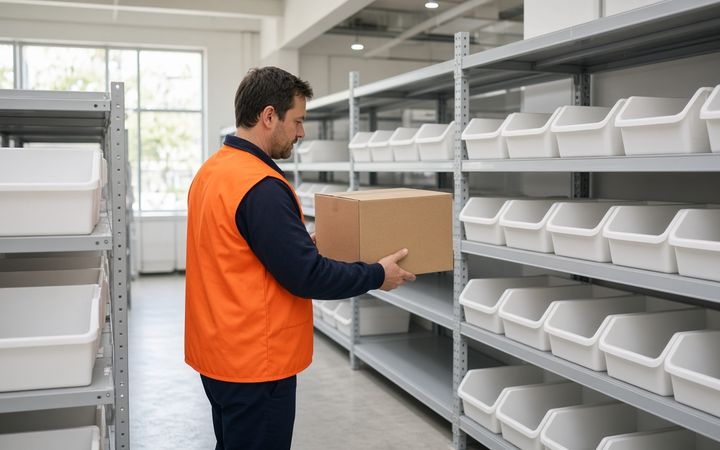
- Storeperson and put-away. Receiving stock, checking it against paperwork and moving it into racking or bulk storage.
- Replenishment. Moving stock from bulk storage to pick faces so pickers do not run dry mid-shift.
- Despatch and loading. Staging completed orders, checking labels and loading outbound trucks.
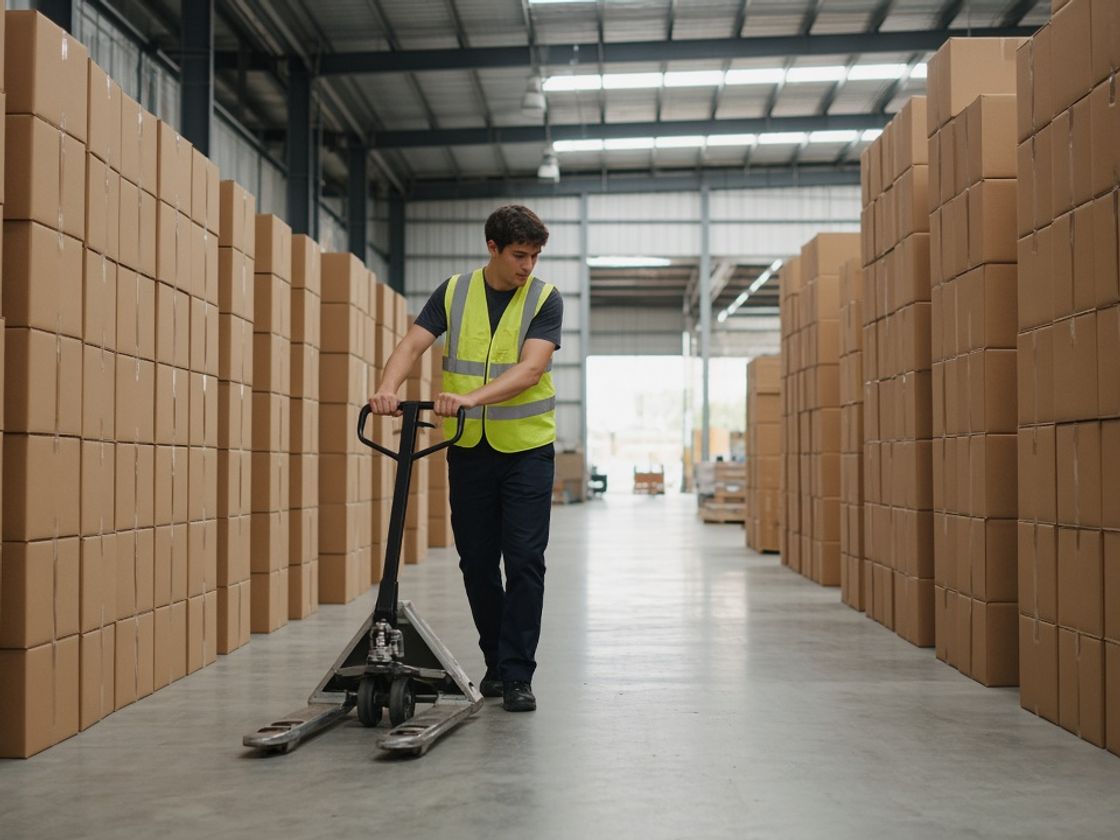
- Forklift driver. Moving pallets between docks, racking and staging areas on the correct plant class.
- Team leader. Running a section of the floor, coaching newer staff and keeping the shift on target.
Pick and pack is the usual starting point because the tasks can be learned on the job. The pick packer roles page shows what that work looks like day to day. Name any RF scanner or warehouse management system you have used.
Brisbane distribution centres cluster around corridors such as Acacia Ridge, Wacol and Hemmant. That geography is about travel time, not about a recruiter desk in every suburb. The companion guide to warehouse jobs in Melbourne covers Victorian sites separately.
Tickets and checks employers ask for
Not every warehouse role needs a forklift ticket. Hand pick, pack, labelling and many storeperson duties can run without plant operation. When an ad lists forklift work, employers expect the licence class on the card to match the machine. LF and LO are the ticket labels most Brisbane ads use. Confirm current high-risk work licence rules with the relevant Queensland regulator before you operate plant.
Other checks come up often on Brisbane sites:
- Site induction. Hosts walk you through traffic rules, emergency exits, PPE zones and the reporting path for incidents before you start productive work.
- Protective equipment. Ask who supplies boots, hi-vis and gloves before your first shift so you are not turned away at the gate.
- Identification and right to work. Have photo ID ready and be prepared to show the documents the employer or agency needs for onboarding.
- References. A recent supervisor who can confirm attendance and accuracy is worth more than a long list of past employers with no contact details.
- Scanner and system experience. If you have used RF scanners or a warehouse management system, write the names rather than a vague claim about computer skills.
Work health and safety laws apply to every place of work in Queensland, so treat site rules as mandatory. A role with no forklift or other licensed plant does not call for a plant ticket, so do not pay for a course on the strength of a general warehouse ad. Read the duties first.
Day shift, night shift and weekend patterns
Warehouse shifts in Brisbane are generally split into day, afternoon, night and weekend patterns. The pattern changes what the job feels like more than the job title does, so the ad's description of hours matters more than any general rule.
- Day shift. Often lines up with truck arrivals, so goods in, put-away and storeperson work can be busy early.
- Afternoon shift. Often built around picking, packing and despatch, with orders to finish before trucks leave.
- Night shift. Often suits replenishment, stock moves and preparing orders for next-day freight, with fewer people on the floor.
- Weekend and peak patterns. Retail and e-commerce peaks can add Saturday or Sunday blocks, or short surge runs through the year.
Travel is part of the decision. Work out the trip, parking and public transport before you accept a shift you cannot hold for a full week.
Shift work can change pay and conditions, and the award or agreement covering the job sets the detail. The Fair Work Ombudsman explains that Fair Work awards outline minimum pay rates and conditions of employment. Ask which instrument covers the role rather than relying on figures from other candidates.
Labour hire path vs permanent warehouse roles
A labour hire placement puts you on a host site through a provider. A permanent warehouse role hires you into the operator's own team. Both paths are common for Brisbane warehouse jobs, and the differences are practical.
- Who recruits you. With labour hire, the provider screens and places you. With a direct ad, you deal with the site's own recruiters or managers.
- How the work starts. Labour hire can begin with a single shift or a short run and may lead to longer work. Direct ads often describe a set role and roster, so read the employment type in the listing.
- Induction and supervision. Hosts still run site inductions and set the floor rules. Providers may also complete client inductions on behalf of hosts before you start.
- Licence checks for hosts. In Queensland, users of labour hire must only engage licensed providers under the Labour Hire Licensing Act 2017 (Qld). Permanent recruitment alone is not labour hire under that scheme. Hosts check the public register themselves.
Chandler Personnel provides labour hire and permanent recruitment with Queensland reach for warehousing hosts and candidates. Its Queensland warehousing labour hire page lists industrial areas as geography, not as branch claims. The Brisbane casual staff agency guide is written for hosts, not as a candidate roster guide.
How to apply so a recruiter actually calls back
A strong warehouse application is specific, short and easy to check. Shortlisters read many applications for the same shift block, and a line such as "good warehouse experience" tells them nothing they can verify.
- Lead with availability. State which shifts you can work, how soon you can start and how you will get to the industrial corridor named in the ad.
- Name the work. Write "picked and packed e-commerce orders with an RF scanner" instead of "general warehouse duties".
- List tickets with class and expiry. For forklift work, write the licence class exactly as it appears on your card.
- Use numbers only if you can back them. Include volumes or targets from your last site if you know them. Otherwise leave them out.
- Add a reference who will answer. A recent supervisor who can confirm attendance and accuracy beats a long list of silent contacts.
Keep the document to one or two pages and match the ad. If it says despatch, put despatch first. If it says storeperson jobs in Brisbane with put-away duties, lead with receiving and racking. Current openings sit on the current job board, the job seeker resources explain how to register, and you can submit your CV when you are ready for contact.
DC jobs in Brisbane move with freight peaks, so check listings more than once a week. Attach a clear photo of your tickets if asked, and answer the phone on the number you wrote on the form.
Related Resources
- Queensland warehousing labour hire
- Pick packer role guide
- Current job board
- Job seeker resources
- Submit your CV
- Warehouse jobs in Melbourne
- Fair Work awards
Common Questions About Warehouse Jobs in Brisbane
1. What warehouse jobs are common in Brisbane?
Common roles include pick and pack, storeperson and put-away, replenishment, despatch and loading, forklift driving and team leading. Availability changes through the year, so check the job board for what is open now.
2. Do I need a forklift licence for every warehouse job?
No. Many pick pack, labelling and storeperson roles do not involve operating plant. When an ad lists forklift duties, hold the licence class named in it and confirm current high-risk work licence requirements with the relevant regulator before you operate.
3. Are night shifts paid more in warehouses?
Shift loadings depend on the award or enterprise agreement that covers the role. Awards set minimum pay rates and conditions, so ask which instrument applies and read the shift clauses rather than assuming every night roster pays the same loading.
4. How do I get warehouse work through labour hire?
Register with a provider, complete the checks they ask for, and stay available for the shifts you listed. The provider places you on a host site for a defined shift or run of shifts. In Queensland, hosts must only use licensed labour hire providers.
5. What should I put on a warehouse CV?
Lead with availability, then name the duties, equipment, scanners and tickets you have actually held. Add site types if you know them, and include one supervisor who will confirm attendance. Keep it to one or two pages and mirror the language of the ad.
Match the Ticket to the Role
Warehouse jobs in Brisbane go to people who match their tickets, travel plans and shift availability to the duties in the ad. Read the role family, confirm any plant class before you apply, and decide whether labour hire or a permanent path suits you.
When your application names real equipment, real shifts and a reference who answers, shortlisting gets easier. Browse the openings, register your details and apply for the shift you can hold for a full week.