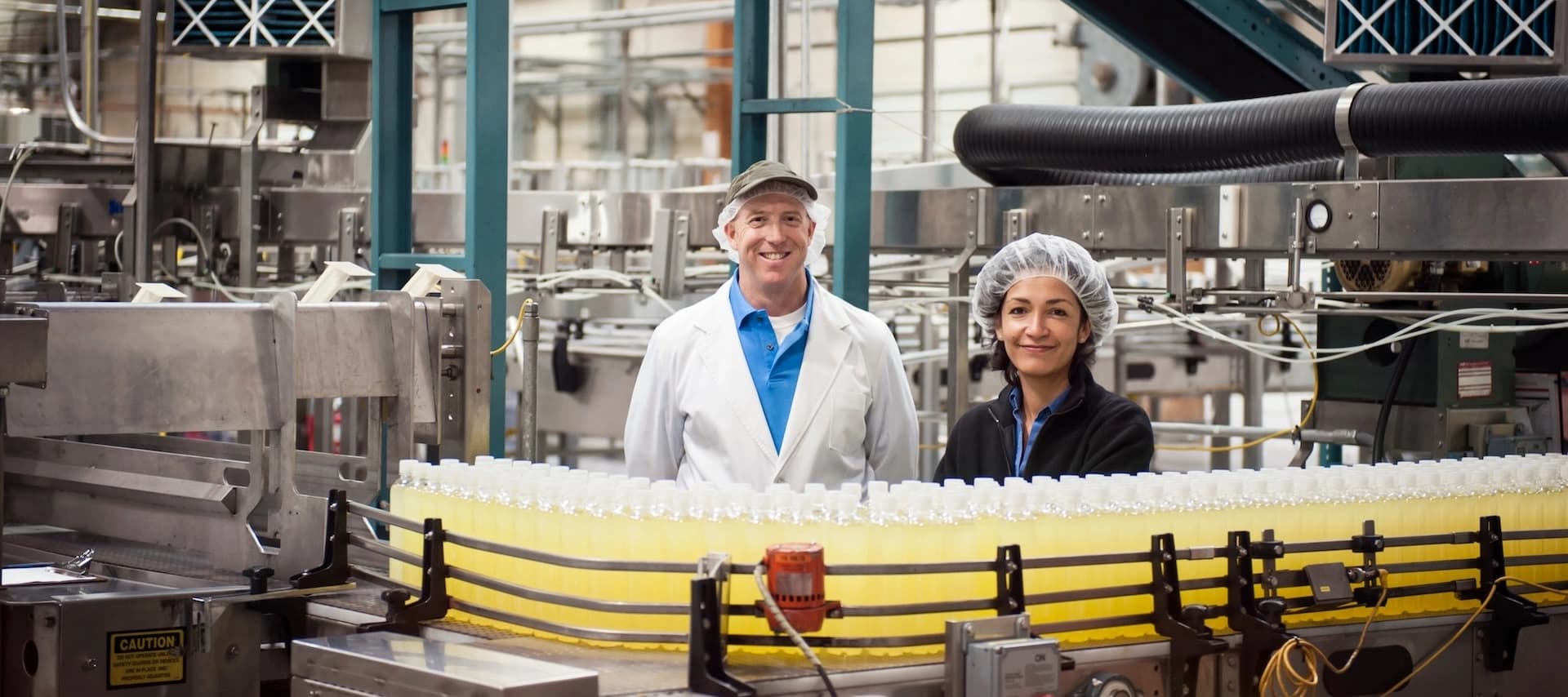

Heat stress controls for labour hire crews in Queensland should be settled before a hot shift begins, not assumed to belong entirely to the supplier. The host knows the site, machinery, shade and pace of work; the provider knows the worker's assignment and needs a clear route for reporting concerns. A shared pre-start plan is especially useful when a new crew moves between outdoor work, hot production areas and warehouses.
Why a generic summer policy is not enough
Workplace Health and Safety Queensland's heat stress guidance identifies three broad factors: the worker, the work environment and the work being done. A shaded picking crew, a production line beside heated plant and a still-air loading bay have different heat loads. Humidity, radiant surfaces, air movement, protective clothing and physical intensity matter as well as the forecast.
The regulator's heat assessment guidance does not prescribe a universal air-temperature cutoff for stopping work. A number on a thermometer cannot replace a task assessment. A heat index or basic calculator can assist an initial assessment, but the supervisor must still look at the actual work and how controls perform during the shift.
Chandler's seasonal worker heat safety article covers worker-facing warning signs and broad summer precautions. This guide focuses on the host and supplier handoff: what must be written into the crew request, checked on arrival and revisited as conditions change.
Put heat conditions in the labour hire brief
Describe the site and task rather than writing “outdoor labour”. Specify the expected work rate, manual handling, machinery that radiates heat, indoor humidity, protective clothing, shift hours and access to shade or cooling. Name where potable water and rest areas are located and how close they are to the work. Ask whether tasks can move to cooler hours or be rotated.
A useful booking says who provides the induction, who supervises the crew, who can modify or stop a task, and who receives a worker's report. The provider should pass on relevant site conditions before a worker accepts the assignment and confirm the worker knows the reporting route. The host should not assume the provider can assess airflow in a warehouse it has not seen.
For farm placements, crews may change fields or move into a shed. For a Brisbane warehouse, a loading dock may be much hotter than the adjacent cooled office. Write a trigger for reassessing the plan when the location, workload, protective clothing or weather changes. Chandler's farm labour hire guide discusses broader host checks; the heat plan needs this level of site detail.
Control the source and the work
Queensland guidance describes modifying the environment and modifying the work. Shade and insulation can reduce radiant heat; ventilation, extraction or other cooling can help in a hot enclosed area. Mechanical aids can reduce physical exertion. Scheduling strenuous tasks earlier, rotating suitable work and providing nearby cool rest areas can reduce exposure. Select controls for the actual location rather than copying one farm checklist into a factory.
Water should be available near the task, with a plan for regular access and breaks in a cooler place. Ask whether protective clothing can be adjusted safely during breaks and whether the task can pause without leaving plant in an unsafe state. Administrative measures alone are not a replacement for reducing heat at its source where that is reasonably practicable.
Workers new to the site or returning after time away may not be accustomed to the conditions. Build a supervised start and check in during the shift. Training should cover symptoms, self-reporting and emergency arrangements. Do not ask a worker to disclose medical information to the entire crew; agree on a confidential route for relevant concerns and appropriate adjustments.
Make the first shift observable
At pre-start, the supervisor can point out water, shaded or cooled rest locations, expected work-rest arrangements and the person to notify. Ask the crew to repeat the escalation route in their own words. During the shift, check whether workers are actually able to use breaks and whether the planned rotation is happening. Record changed conditions and responses, not just the morning forecast.
A heat plan also needs a response to illness. Queensland's heat guidance identifies heat exhaustion as serious and heatstroke as a medical emergency. If someone becomes unwell, stop the work, follow the site's first-aid and emergency procedure and obtain urgent medical help where indicated. Do not send a confused or fainting worker back to the line after a drink of water.
Agree the host-provider handoff
Queensland's labour hire licensing authority says users must engage licensed providers and can check the public register. A pending application is not a licence. This article makes no claim about any named provider's licence status; the host should check the actual contracting entity before engagement and keep a dated record.
Licence checking and heat control are separate duties. A register result cannot show that the host has shaded a loading area, and a good heat plan does not establish that a supplier is licensed. Chandler's Queensland labour hire guide explains the wider supplier and site-fit questions. Here the practical outcome is an agreed handoff with named people at both organisations.
Before the shift, exchange the task brief, expected environmental conditions, worker instructions and reporting contacts. During the shift, the host controls the workplace and should tell the provider about a material task change, complaint or incident. The provider should have a way to reach the worker and respond to an escalation. At the end, review whether the planned controls were used and what to change for the next crew.
Record concerns without losing the thread
A hazard report is most useful when it names the place, time, task, condition, immediate action and person notified. Chandler's worker hazard and near-miss report form is one route for recording an issue; the host's urgent response procedure must still operate when someone needs immediate help. Reporting should not depend on a worker waiting until the end of a shift.
Use a short review after a hot day: Were water and cool rest areas accessible? Did the staffing plan allow breaks? Did a new task add protective clothing or radiant heat? Were concerns passed between host and provider? The answers should change the next shift's plan, not sit in a file as evidence of an induction that did not work.
When seeking a Queensland crew, a host can use the Queensland staff request page to describe the role and site. Include heat conditions and the actual task in the request; the page itself is not a substitute for licence verification or a site risk assessment.
Review a shift with concrete evidence
A useful heat review is not a tick-box saying the weather was hot. Record the work area, tasks, protective clothing, access to water and cool rest, schedule changes, worker feedback and any illness or near miss. Compare those observations with the plan made at pre-start. If breaks were scheduled but workers could not reach the rest area without leaving the line unattended, the control did not function as written.
Look for changes that can be made before the next shift: move a task to a shaded area, improve airflow, adjust the pace, assign relief coverage or increase the frequency of check-ins. If the same risk appears at two sites, the provider can ask both hosts for clearer pre-start information; the particular control remains site-specific. Do not use a worker's tolerance of yesterday's conditions as proof that tomorrow's arrangement is safe.
Close the loop with the crew. Explain what changed following a report, who is responsible for the new control and when it will be reviewed. A worker who raised a concern should know whether the affected task is paused or has a modified method. This makes reporting useful rather than ceremonial and gives the next supervisor a plan that matches the real workplace.
Related Resources
- Seasonal worker heat safety
- Queensland labour hire checks
- Farm labour hire host guide
- Worker hazard report form
- Queensland staff request
- WorkSafe Queensland heat guidance
- Queensland labour hire user obligations
Common Questions About Labour Hire Heat Controls
1. Is there a fixed temperature at which Queensland crews must stop?
No universal air-temperature cutoff determines safety. Assess humidity, radiant heat, task intensity, clothing, worker factors and available controls. Stop or change unsafe work according to the actual risk and site procedure.
2. Who gives a labour hire worker the site's heat induction?
The host should name the person who explains the actual workplace, controls and emergency arrangements. The provider should communicate assignment conditions and escalation contacts. The handoff needs agreement rather than an assumption that the other party covered it.
3. Does a licensed provider remove the host's heat responsibility?
No. The licence check addresses who may supply workers under Queensland's scheme; it does not assess the host's shade, airflow, workload or first-aid response. Manage those site risks directly.
4. What should change when a crew moves to another task?
Review the environmental and workload factors, re-brief workers on controls and update the supervision or break plan. A morning assessment for a shaded task may not cover an afternoon task near hot plant.
Write the Heat Handoff Before Arrival
Heat stress controls for labour hire crews in Queensland work best when the site and the supplier know their contacts and decisions before the shift. Name the conditions, controls, supervisor and escalation route in the booking. Then observe the work, respond to reports and change the next shift's plan when the controls do not work.