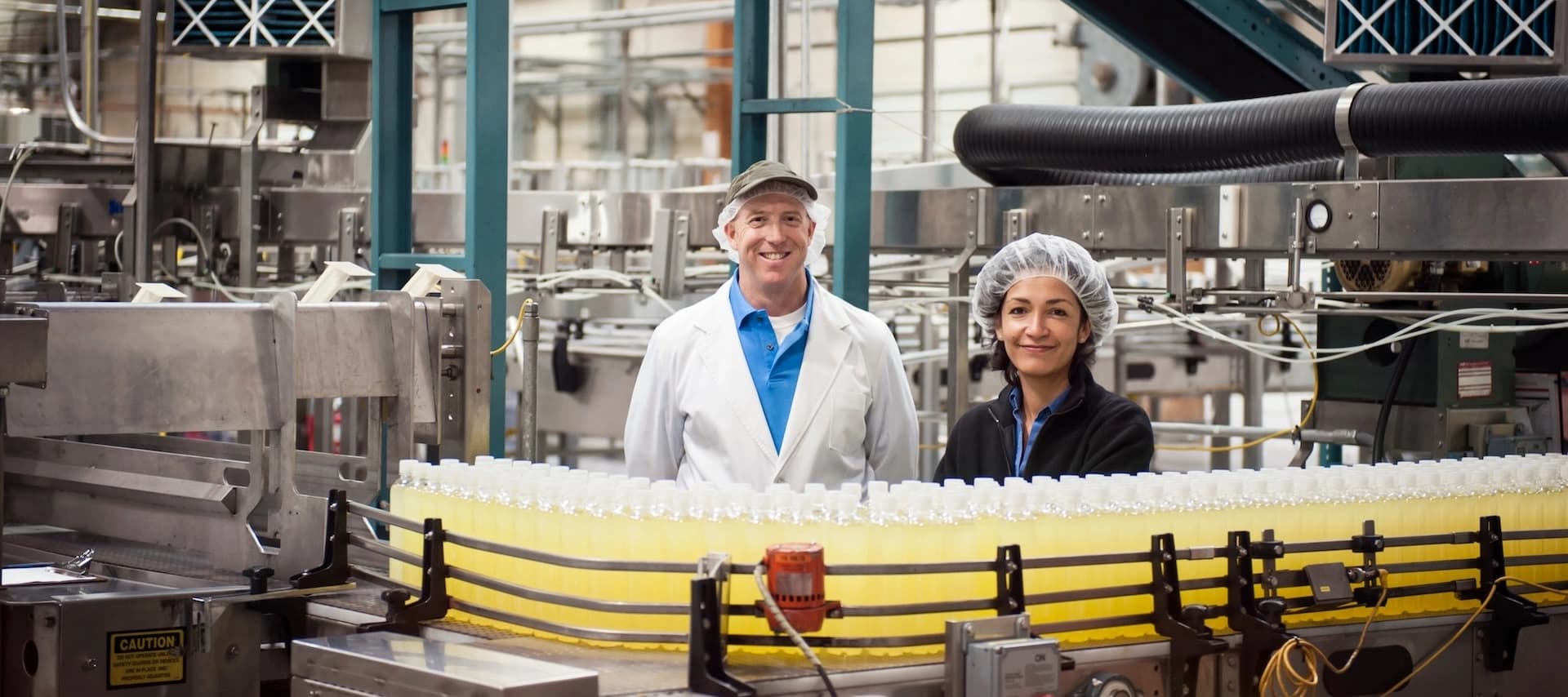

Food production jobs in Brisbane cover more than packing boxes. A role might involve handling raw ingredients, checking sealed packs, cleaning equipment or monitoring a line. Candidates need to know the product and tasks before they accept a shift; hosts need to explain hygiene controls and training rather than assume every factory worker has handled the same food risk.
Separate line roles by the food being handled
A food process worker might portion ingredients, load packaging, label products, inspect seals or clean a production area. The work changes materially when food is raw, ready to eat, allergen-containing, chilled or already sealed. For example, handling unpackaged raw material requires different controls from stacking finished cartons. Job descriptions should say which situation applies.
For candidates, describe the exact part of the line you worked on. “Packed sealed chilled products, checked labels and reported damaged seals” is useful evidence. “Food factory experience” does not tell a supervisor whether you have worked at a food-contact station. Chandler's food production worker guide is a starting point for the role, but the particular host procedure determines what happens on the floor.
Hosts should specify whether the vacancy is in a cold room, near cooking or washing equipment, or at a dry packing station. Include standing time, repetitive movements, protective clothing, start time and access to a supervisor. That helps applicants assess the job honestly and reduces the risk of a mismatch on their first shift.
What food hygiene knowledge matters?
Food Standards Australia New Zealand explains that, under Standard 3.2.2, food handlers and their supervisors need the skills and knowledge to keep food safe for their own work. Formal training in a particular course is not generally required by that standard. Additional requirements may apply to some food service businesses under Standard 3.2.2A; do not assume a food factory role is automatically within that standard's specific food-service scope.
Useful examples in an interview include when to wash hands, how to report illness, how to separate products or equipment where instructed, what to do after a packaging breach, and who decides whether suspect product can be released. A candidate does not need to invent a certificate to show this. They can explain the procedure they followed and where they would ask for a new site's instructions.
For a host, “knows hygiene” is too vague a selection criterion. Decide which training is needed before the person touches food or food-contact surfaces, what the site can teach and which tasks require a more experienced operator. Demonstrate the site process, check understanding and record the induction. Training a packer on one station does not silently authorise work at every station.
Labels, allergens and traceability
Line workers often have to check that the right product goes into the right pack with the right label. A host should say which checks the worker is expected to perform, how frequently they occur and what the worker must do if a label, batch code or seal is wrong. Applicants can describe quality checks they have actually carried out, rather than merely writing “attention to detail”.
When a line changes products, the changeover procedure matters. Ask who verifies the new materials, who signs off the first acceptable product and where rejected packs go. The worker's job is to follow the site's process and stop or escalate when something does not match, not improvise a release decision.
Build a credible application for Brisbane line work
Group previous work by task: preparation, processing, packing, cleaning, basic machine operation and quality checks. Include products and temperature-controlled environments if relevant. Chandler's food process worker resume template can help make that experience legible to a hiring team. Keep course names and dates exact; leave off a qualification you cannot document.
Explain availability for early starts, afternoon shifts or rotating rosters only if it is real. A Brisbane production line may need a set handover time; arriving after setup can mean missing the briefing. Ask about transport to the actual site and whether a shift finishes after public transport service. Those practical questions are more useful than assuming every “Brisbane” vacancy is near the city centre.
For people moving from general warehouse work, identify transferable tasks such as scanning, count reconciliation and following written procedures. Then acknowledge the gap: food-contact hygiene, product segregation and site cleaning rules will need induction. For experienced food workers, identify a production problem you reported and the process you followed to avoid passing defective goods downstream.
What the host should put in the job brief
Specify the product category, whether the worker handles unpackaged food, the station, sanitation duties, required protective clothing, temperature, standing or lifting demands, and who supervises the first shift. State whether the job is packing, processing or machine operation, because these words overlap in advertisements. Chandler's food production sector page gives context for staffing conversations.
If the role mixes tasks, say which are essential on day one and which can be trained later. Name how instructions are communicated on a noisy line and how a worker reports a spill, faulty guard or suspected contamination. The host's briefing should distinguish a general safety induction from the product-specific food controls.
The existing Queensland food-processing labour hire guide deals with the employer's supplier and site checks. Here the immediate question is whether this applicant can describe the right line work and whether the Brisbane host has a clear first-shift plan. Neither page should be read as a current vacancy listing.
Check the actual vacancy, not a generic role label
Before applying, ask whether the work involves raw ingredients, ready-to-eat food or sealed finished goods, and whether cleaning is part of the assignment. Ask what hygiene training happens before the shift and whether there is a practical assessment. Confirm hours, pay classification and employer details from the actual advertisement; this article cannot set a rate for an unnamed role.
Use Chandler's job board to see current openings. If a listing is brief, prepare three pointed questions about product, station and shift. Employers can answer those in the advert or an initial call, reducing avoidable dropouts and helping applicants decide whether their prior experience genuinely fits.
Use a first-shift plan that can be checked
A new line worker needs a named person to demonstrate the station and answer questions. Start with the route into the workplace, protective clothing, handwashing and change-room arrangements. Then show the actual product flow: where approved materials arrive, where finished goods go and where rejected products are isolated. A candidate should be able to explain these steps back before handling the line independently.
Build in a pause when the line changes product or packaging. The host should state who checks labels and batch details after changeover, whether cleaning is required and who records the result. If a worker cannot find the current instruction or sees a mismatch, the correct response is to stop their part of the process and ask the designated lead. The brief should make that escalation possible even on a late shift.
Good supervision also catches a mismatch between the advert and reality. A person booked for sealed-goods packing may find that the shift includes open-food handling or chemical cleaning. Reassess training, protective equipment and assigned duties before extending the role. A candidate can raise the difference without claiming expertise they lack; a host can update the assignment instead of hoping the worker will learn an unfamiliar control by watching.
Related Resources
- Food-processing labour hire in Queensland
- Food production staffing context
- Food production worker guide
- Food process worker resume
- Current vacancies
- FSANZ food-handler skills guidance
Common Questions About Food Production Work
1. Is a food hygiene certificate mandatory for every Brisbane factory job?
No universal certificate follows from the general Standard 3.2.2 skills-and-knowledge requirement. A particular business or task may impose additional training requirements. Ask the host what applies to the actual station and check the official food standards guidance.
2. Can warehouse experience help me enter food production?
It may help with picking, scanning and following procedures. Make clear which food-contact tasks you have not done, and ask about the site's training before you are assigned them.
3. What should I say if I have only packed sealed food?
Say exactly that. Note your label, seal, batch and handling checks, then explain that you would need instruction before handling unpackaged ingredients or another product type.
4. What should a host cover before a new line worker starts?
Explain the product, hygiene and protective clothing rules, the station's quality checks, the escalation route, the physical demands and the person supervising initial work. Check understanding before independent tasks.
Name the Product and the Station
Food production jobs in Brisbane make more sense when the advert and application describe real tasks. Candidates should list the food products and processes they know, without claiming a certificate they do not hold. Hosts should pair that evidence with local hygiene instruction and a clear first-shift supervisor before work begins.