General labourer labour hire in Brisbane works best when you book tasks, not a label. "Labourer" can mean sweeping a yard, stacking stock, assisting a trade or driving a forklift, and each of those carries different tickets, hazards and supervision.
A written task list, the right tickets and a heat plan turn a vague request into a booking a provider can fill correctly. This guide covers what a Brisbane site, yard, factory or small-business manager should settle before the labourer arrives.
What a general labourer booking should and should not cover
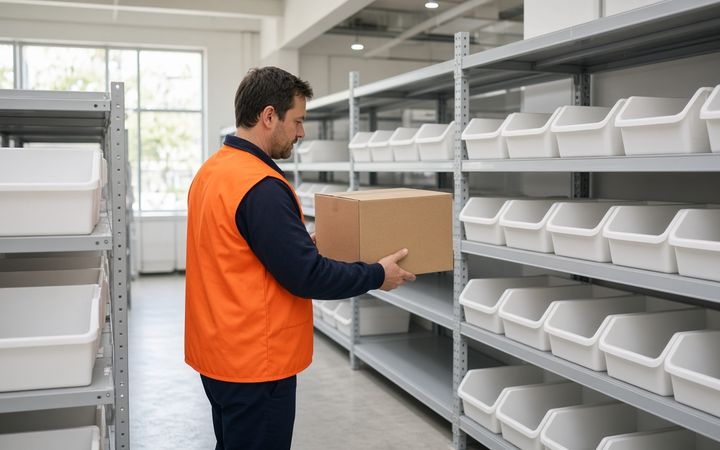
A general labourer does the physical support work that keeps a site moving: cleaning and tidying, moving materials by hand, loading and unloading, and assisting tradespeople or machine operators. The general labourer role page and the general labourer position guide are written for job seekers and show how candidates see the work, not how to brief it.
The label stops working once the job changes shape. A request to hire labourers in Brisbane that quietly includes driving a forklift, working on a building site or operating a machine is no longer general labouring. Spell out what is in and what is out:
- In: manual handling of materials and stock, site and yard cleaning, assisting trades, basic loading and unloading by hand.
- Out unless named and cleared: forklift or other powered mobile plant, construction work, working near cranes or lifting gear, and any task that needs a licence.
- Hours and location: the address, the start and finish times and where the work happens, indoors, in a yard or on a site.
For a casual labourer in Brisbane, a short written task list of five to ten lines is enough. It lets the provider match the person to the work, and it gives your supervisor something to point at on day one.
Tasks that still need a ticket or licence
Three common changes turn a labouring booking into a ticketed one. Check for them before you send the request.
- Construction work: WorkSafe Queensland says anyone carrying out construction work must hold a general construction induction card, usually called a white card.
- Forklift work: operating a forklift needs a high risk work licence. The LF class covers forklift trucks, and the LO class covers order-picking forklift trucks.
- Other high-risk equipment: WorkSafe Queensland lists high-risk equipment such as forklifts and cranes as work that needs formal training and, in some cases, a high risk work licence.
If a labourer might help unload a truck with a forklift on a busy afternoon, say so in the booking and ask for the licence class. If you only want them on foot, say that too, so nobody is asked to drive a truck they are not licensed to use.
Whether a task counts as construction work is a call about your site and your project. Where you are unsure, ask for the white card in the booking rather than finding out on the day.
Heat, sun and manual handling on Brisbane sites
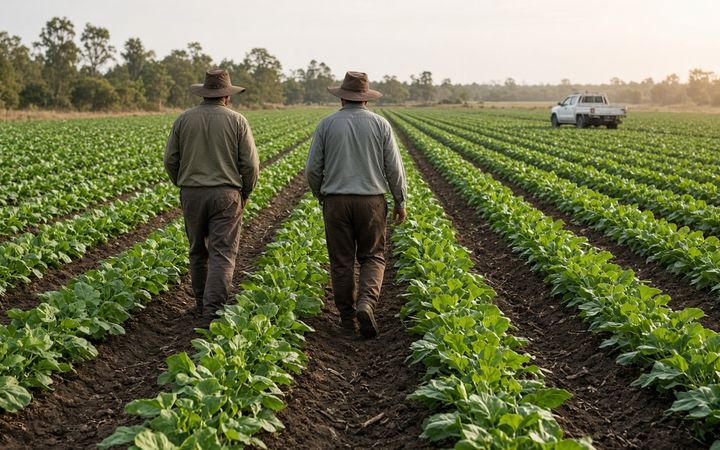
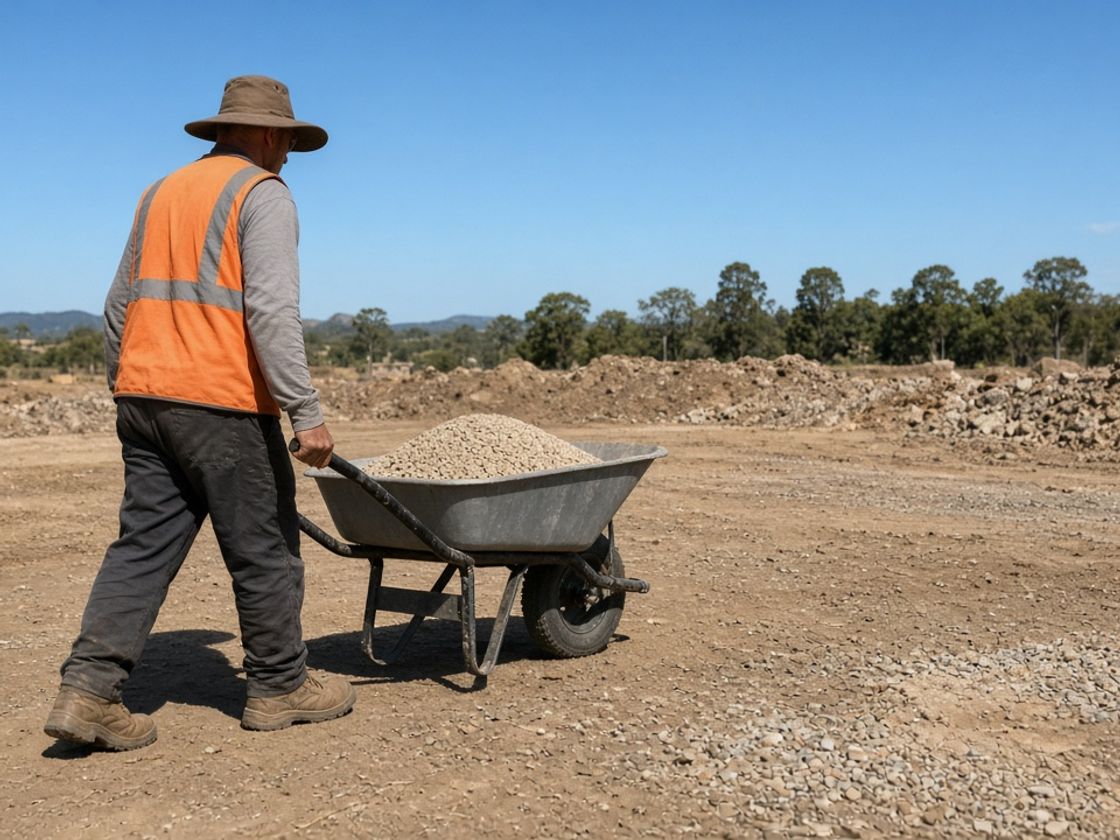
WorkSafe Queensland says there is no workplace exposure standard or limit for heat stress, and that risk depends on the task, the environment and the individual, not air temperature alone. The WorkSafe Queensland heat stress guidance sets out the controls, and these are the ones that matter for a labourer who is new to your site:
- Acclimatisation: workers who are used to the environment are at less risk than those who are not, so a new labourer should not start on the hardest task in the hottest hour.
- Scheduling: where possible, do heavy work early in the morning or late in the afternoon instead of midday.
- Rest and water: provide a cool place for breaks and cool water close to the work area.
- Shade and buddies: use shade over the work area, and let workers watch each other for signs of heat illness.
- Sun cover: outdoor workers should wear long pants and a collar and long sleeves to cover as much skin as possible.
Build these into the first shift and write them down. The free heat risk pre-start checklist gives a supervisor a form to record conditions, controls and a restart decision.
Manual handling needs the same attention. WorkSafe Queensland describes a hazardous manual task as one involving repetitive or sustained force, high or sudden force, repetitive movement, sustained or awkward posture or vibration, and not every manual task is hazardous. Its controls include mechanical lifting aids, lighter or smaller items and rotating workers between tasks. Training in lifting technique must not be the main control.
Day-one induction and who supervises
Safety responsibility is shared, and it does not leave your site with the worker. WorkSafe Queensland says where more than one party has a duty for the same matter, each keeps its own duty and must consult, cooperate and coordinate with the others. You cannot transfer your duties to another person.
For a labourer, that means day-one training is not left to the provider alone. WorkSafe Queensland says new workers must be trained to be familiar with their tasks, place of work and the people around them, and that induction covers hazards, safe work procedures, emergency procedures and where the first aid kit is. The labour hire induction checklist gives you a form to follow and keep.
Name one supervisor for the shift and write the name into the booking. Newer workers need closer and more regular supervision than experienced ones, so check in early, watch the first manual tasks and confirm the worker can do each task safely before leaving them alone. Keep the signed checklist on file.
Casual labour hire or a permanent labourer
Casual labour hire suits cover for leave, a peak week or a clean-up project. The guide to temporary workers in Brisbane covers the booking checklist, no-shows and replacements, and the guide to labour hire in Brisbane covers the licence check and rate questions that apply to every role.
If the same task list repeats week after week, a permanent labourer saves you the repeated induction and lets you build skills on your own site. Chandler Personnel provides labour hire and permanent recruitment to hosts across Queensland, and you can request labourers in Queensland for either arrangement.
Related Resources
- General labourer role
- General labourer position guide
- Labour hire induction checklist
- Heat risk pre-start checklist
- Temporary workers in Brisbane
- Heat stress guidance from WorkSafe
- Labour hire licensing in Queensland
Common Questions About General Labourer Labour Hire
1. What does a general labourer do on a Brisbane site?
A general labourer does physical support work such as moving materials by hand, cleaning, loading and unloading, and assisting trades. They do not drive forklifts or do construction work unless you book and clear them for it. Write the task list into the booking so the person who arrives matches the work.
2. Does a labourer need a white card?
Only if the work is construction work. WorkSafe Queensland says anyone carrying out construction work must hold a general construction induction card, also called a white card. A labourer in a warehouse or factory may not need one, but construction work does require it, so ask for the card in the booking if the work could count as construction.
3. Who is responsible for a labour hire labourer's safety on my site?
Both you and the provider have duties, and you cannot transfer yours. WorkSafe Queensland says each party keeps its own duty and must consult, cooperate and coordinate with the other. In practice the host decides who runs the induction, supervises the tasks and manages site hazards such as heat and manual handling.
4. Can I ask for the same labourer every week?
You can ask, and naming a preferred worker in the booking helps the provider try to match it. Availability is up to the provider and the worker. WorkSafe Queensland says workers returning after a long absence should repeat the induction, so a gap between shifts means a refresher.
5. How do I check a Brisbane labour hire provider is licensed?
Search the public register by business name, ABN, address, industry or location, and print a verification for your records. Queensland's labour hire licensing scheme says users of labour hire must only engage licensed providers. A provider that has only applied for a licence is not enough, because it must hold a current licence.
Write the Task List Before You Book
The easiest way to get the right labourer is to describe the work before you describe the person. List the tasks, name any ticket or licence they trigger, plan the heat and manual handling controls, and put one supervisor's name on the booking. A labourer who arrives to a clear task list and a proper day-one induction is productive far sooner than one who is handed a broom and told to find something to do.