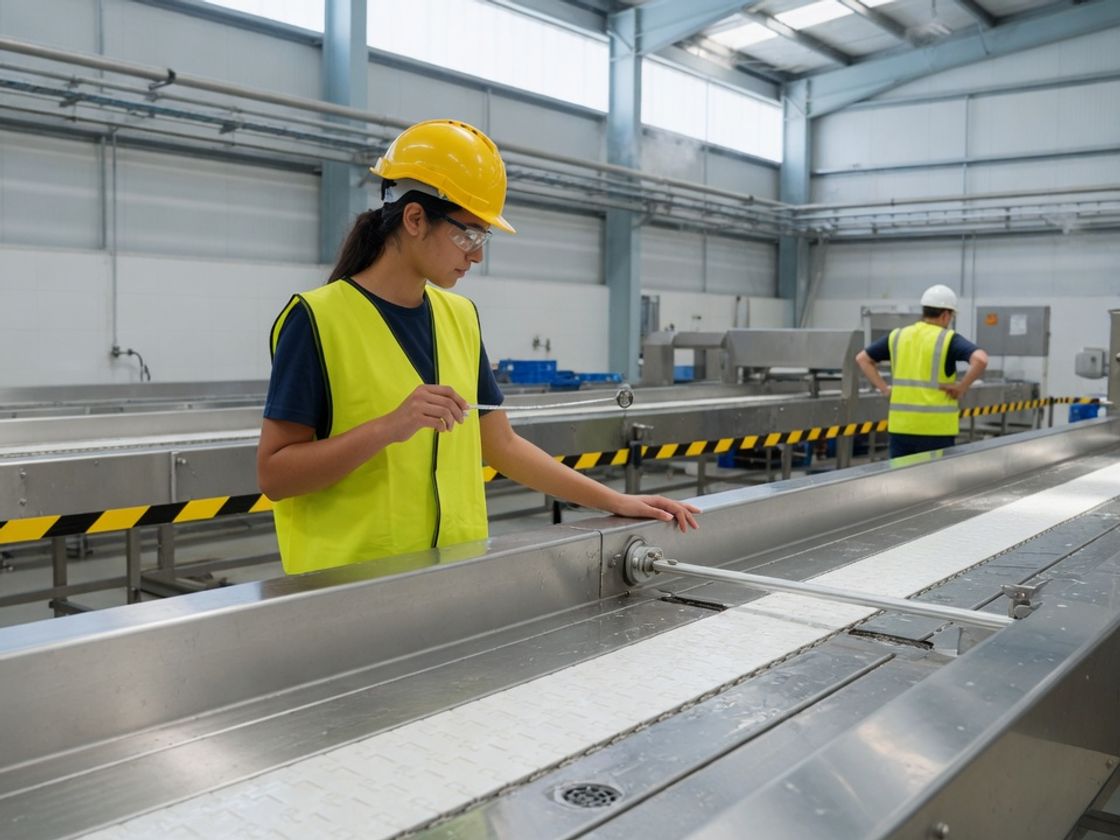
If you are studying engineering or science and want a first job in a food plant, FMCG engineering graduate programs are one route worth comparing. FMCG means fast-moving consumer goods: the packaged food, drink and household products people buy every week. Several large manufacturers run a manufacturing engineering graduate program in Australia, with engineering, automation or technical streams, and each describes its stream a little differently.
This guide goes through what Fonterra, Mars and Nestle say on their own pages, then covers Mondelez, Bega and DuluxGroup in a line each. It is written for students and recent graduates looking for engineering grad jobs in a food plant, and for the parents and advisers helping them. It covers engineering and technical streams only, so planning, logistics, sales and finance programs sit in separate guides. Programs, streams and dates change, so confirm each detail on the employer's own page before you apply.
Where engineers and technical graduates start in a plant
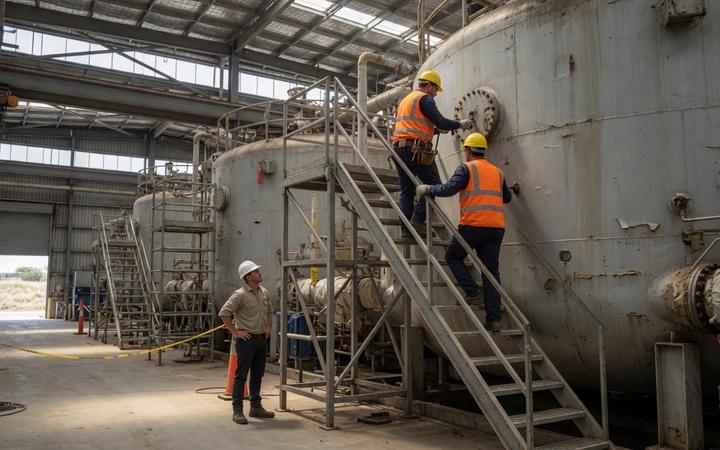
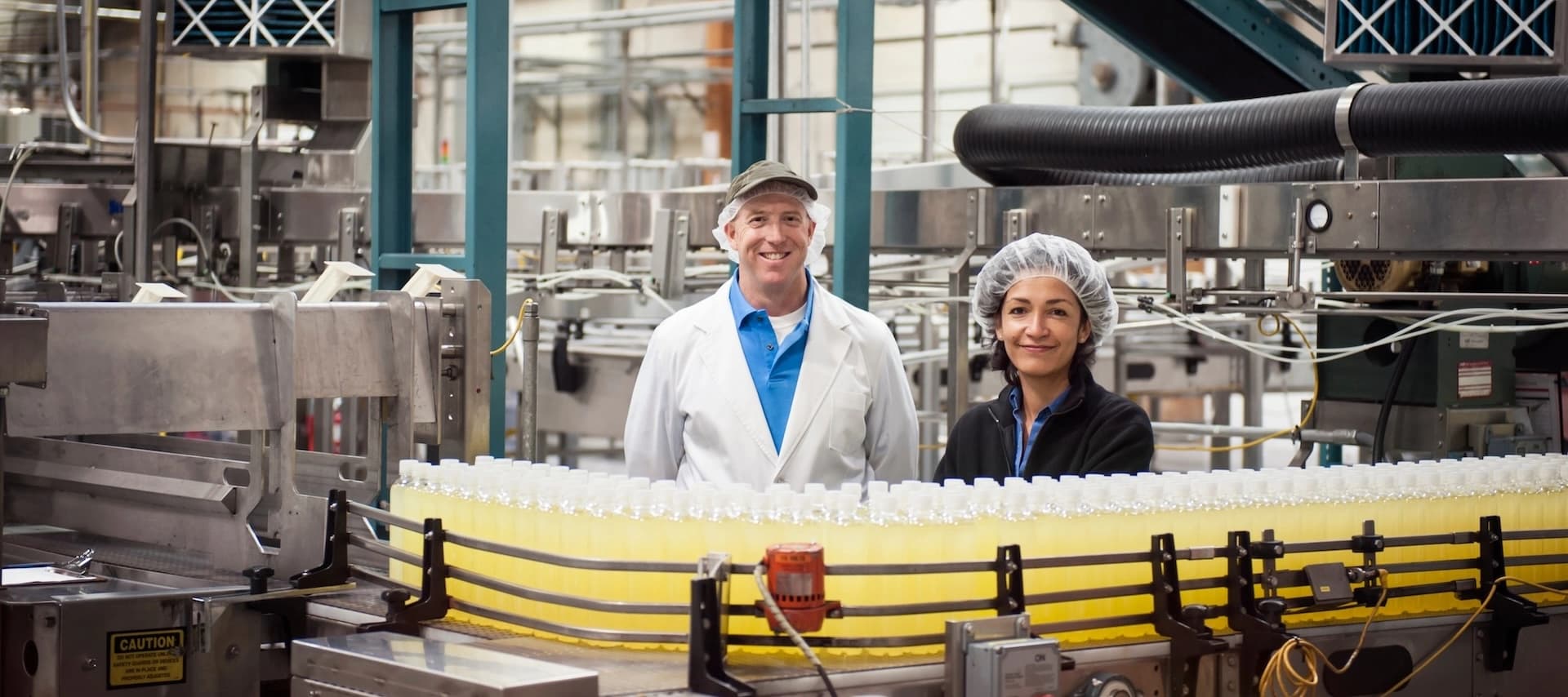
The employer pages in this guide describe three kinds of starting point for a food manufacturing graduate engineer. The first is automation and control: the electrical and electronic systems that run a production line, which Fonterra ties to PLCs, HMIs, VSDs and robotics. The second is factory-based engineering projects, which Mars describes as problem-solving, automation, machinery and continuous improvement. The third is a technical rotation through quality, sustainability, engineering and production, which is how Nestle describes its stream.
For the employer's side of plant hiring, Chandler Personnel's recruitment guides cover PLC engineers in food production, mechatronics technicians and robotics technician roles.
Chandler Personnel is an independent, Melbourne-based blue collar specialist that supplies labour hire and permanent recruitment for manufacturing roles. Chandler Personnel does not run, recruit for or place people into these graduate programs; apply on each employer's own page.
Fonterra Automation Engineering: rotating through different manufacturing sites
According to Fonterra's automation engineering stream, an Automation Engineer rotates through different teams at its different manufacturing sites. The page says the role could suit someone interested in electrical and electronic control systems and logic such as PLCs, HMIs, VSDs and robotics, and a strong logical thinker with good root cause analytical skills. It names no degree and does not say where a graduate would sit.
Fonterra Australia is a dairy ingredients and foodservice business, and its main graduate page covers Automation Engineering alongside two non-engineering streams. That page gives 18 months in its overview, although a graduate quote on the same page mentions a 2-year period, so confirm the current length. It says applicants should be in the final year of an undergraduate degree or within two years of graduating, hold a credit average of 65 or higher, and be an Australian or New Zealand resident or citizen. The page shows no application window, so check it for the current intake.
Mars Engineering and Research & Development: the degrees the page names
Right now, according to Mars Australia's graduate page, applications will reopen in 2027 for the 2028 program, and the page invites readers to register their interest. That makes it a stream to plan for rather than one to apply to today.
The Mars engineering graduate program lists a preferred background for each stream. For Engineering it is "All Engineering degrees except Civil Engineering", and the page says the work is about improving how products are made "safely, efficiently, and sustainably", through technical projects in the factories covering problem-solving, automation, machinery and continuous improvement. Research & Development lists "Science or Engineering degrees" and describes product trials, factory testing and continuous improvement in manufacturing sites and labs, across food science, product development, packaging and manufacturing innovation. The page does not say how long the program runs or where graduates are based.
Nestle Technical & Production: factory-based rotations
The Technical & Production stream, according to Nestle's NextGen page, is a 2-year rotation program in which graduates are based in one or more of its factories. They work across areas including Quality, Environmental Sustainability, Engineering and Production, and they also experience managing employees as a Factory Line Manager.
The stream description names no degree requirement, no factory names and no states, so check the page before assuming a particular engineering discipline fits. The NextGen application checklist asks for a CV, a recent academic transcript, a copy of your driver's licence (a provisional licence is the minimum) and proof of citizenship or permanent residency. The page lists the streams and that checklist but shows no application dates, so check it for the current intake.
One-line entries: Mondelez, Bega and DuluxGroup
- Mondelez. Its graduate page lists Manufacturing & Logistics (Engineering, Manufacturing, Health, Safety & Environment) among its graduate functions, and its FAQ says graduates rotate within the function they choose.
- Bega. According to Bega's graduate page, Engineering is one of the disciplines (subject to change) in its RISE Graduate program, a 2-year rotational program; the page shows no eligibility rules or dates.
- DuluxGroup. According to DuluxGroup's graduate page, this paint and consumer products group offers Engineering and Research & Development pathways, asks for full Australian or New Zealand working rights, a CV and an academic transcript, and, when checked on 20 October 2026, showed applications open for its 2027 program.
Questions to ask about rotations, sites and shift exposure
The pages describe each stream in a sentence or two, so the practical detail has to come from the employer. Before you apply, put these questions to the graduate team through the contact route on its page.
- Which sites rotate? Ask which sites and teams a rotation covers, and whether you need to be able to move between them.
- Is shift work part of a rotation? The pages above do not say, so ask how shifts, weekends and on-call time work for graduates.
- How is a graduate supported on the floor? Ask who supervises each rotation and what training comes before you work near live equipment.
- Which degrees have been accepted before? Some pages name a preferred background and others do not, so ask which disciplines current graduates studied.
- What happens at the end? Ask which permanent role follows the program and how it is matched to your stream.
Related Resources
- Manufacturing roles
- PLC engineers in food production
- Mechatronics technician recruitment
- Robotics technician hiring
- Fonterra's automation engineering stream
- Mars Australia's graduate page
- Nestle's NextGen page
Common Questions About FMCG Engineering Graduate Programs
1. Do FMCG graduate programs hire engineers?
Yes, according to the employers' own pages. Fonterra lists Automation Engineering, Mars lists Engineering and Research & Development, Nestle lists Technical & Production, Mondelez lists Manufacturing & Logistics, Bega lists Engineering, and DuluxGroup lists Engineering and Research & Development. Streams and dates change, so confirm the current list on each page.
2. Which engineering degrees do FMCG employers want?
Mars gives the clearest rule: all engineering degrees except civil for Engineering, and science or engineering degrees for Research & Development. Fonterra's automation stream page and Nestle's stream description name no degree, and Mondelez's FAQ says it welcomes all disciplines. Bega's and DuluxGroup's pages give no degree rule, so check each page.
3. Will I work in a plant or an office?
The pages point to plants for these streams. Mars says its engineers work in its factories, Nestle says graduates are based in one or more factories, and Fonterra says Automation Engineers rotate through teams at manufacturing sites. The pages do not say how time is split between floor and office, so ask the employer.
4. What is an automation engineer in food manufacturing?
Fonterra's automation engineer graduate program page describes the role around electrical and electronic control systems and logic. PLCs are the programmable controllers that run machines, HMIs are the operator panels used to control them, and VSDs are variable speed drives. The page also mentions strong logical thinking and root cause analytical skills.
5. Can a technician move into an engineering graduate role?
None of the pages in this guide describes a route from a technician role into a graduate stream. Fonterra, for example, asks for applicants in the final year of an undergraduate degree or within two years of graduating, and Mars names preferred degrees. Check each employer's eligibility rules before you plan around any route.
Plant Experience Starts With the Right Stream
The right stream depends on the work you want to do on the floor: control systems at Fonterra, factory engineering or lab-based R&D at Mars, or a Quality-to-Production rotation at Nestle. Mondelez, Bega and DuluxGroup list engineering streams too, though their pages give less detail. Read each stream line on the employer's own page, write down your questions about sites and shifts, and confirm the current intake before you prepare an application.