Warehouse AI Adoption Spreadsheets: The Reality Check
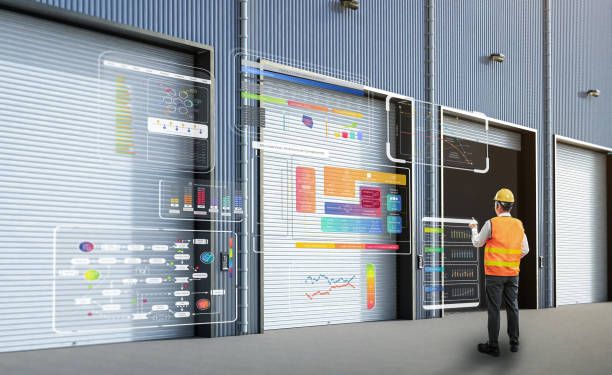
You often hear big claims about artificial intelligence completely changing the logistics industry. Software companies promise futuristic distribution centres run entirely by machines and talking computers. However, when you walk the floor of a standard facility, manual data entry remains incredibly common. The persistent reality of warehouse AI adoption spreadsheets serving as the main tool for stock control shows a massive gap between software sales pitches and daily floor operations.
Facility managers are not actively resisting progress. They simply have very different daily priorities than what many technology companies try to sell them. Understanding this gap is the first step toward making smarter choices for your business.
Key Takeaways
- Most facility managers do not want flashy chatbots; they want accurate data.
- Manual tracking remains popular because it is cheap and familiar, but it causes long-term errors.
- The biggest demand for new technology is in predicting stock needs and automating orders.
- Upgrading your systems requires careful planning and the right staff to support the transition.

The Gap Between Hype and Daily Operations
If you read industry magazines, you might think every modern facility operates with automated robots and complex visual dashboards. The truth looks quite different. For many operations managers, the biggest headache is simply knowing exactly how many pallets of a specific product sit on rack three.
Technology companies heavily promote conversational artificial intelligence and flashy interfaces. Meanwhile, facility leaders want practical tools that calculate numbers quickly and accurately. This disconnect creates a situation where businesses refuse to buy expensive software because it does not solve their actual, everyday problems.
Recent data highlights this exact issue. An Inventory operators want AI survey shows that most leaders are not looking for complex dashboards or chatbots to talk to their staff. Instead, they want targeted solutions that handle basic math, predict order volumes, and automate the reordering process.
Why do facilities continue using manual tracking files instead of upgrading?
- Low Upfront Costs: Manual files are essentially free to create and share.
- Familiarity: Almost every office worker already knows how to type numbers into a grid.
- High Customization: You can easily add a new column or change a color without calling a software developer.
- Fear of Interruption: Managers worry that installing new software will stop operations for days or weeks.
Despite these benefits, relying on manual entry eventually leads to broken formulas, lost data, and expensive shipping errors.
Why Inventory Operators AI Needs Are Highly Specific
When evaluating new systems, inventory operators AI priorities focus strictly on function over flash. You need systems that tell you exactly what you have in the building and exactly when you will run out of it. You do not need a computer program that acts like a human; you need a computer program that counts better than a human.
Specific functions operators actually ask for include:
- Automatic alerts when a popular item drops below a safe minimum level.
- Clear picking paths mapped out to save workers time walking across the floor.
- Real-time updates that change inventory numbers the second a box leaves the loading dock.
- Accurate volume predictions to help schedule the right number of workers for upcoming shifts.
Finding capable staff to operate these practical systems presents another major challenge for modern facilities. If you struggle to find workers who understand modern stock control procedures, specialized Warehousing and logistics recruitment services can connect you with experienced individuals ready to support your daily operations.
The Demand Forecasting Replenishment Advantage
The most requested artificial intelligence feature in logistics today is demand forecasting replenishment. This term refers to using historical sales data to predict exactly how much stock will sell in the future, and then automatically ordering the correct replacement amounts.
Instead of guessing how many units you might need next month, the software analyzes past trends, seasonal changes, and current supply chain delays to give you a highly accurate number.
The benefits of applying smart mathematics to your ordering process include:
- Fewer Stock-Outs: You avoid running out of your best-selling items, keeping your customers happy.
- Less Wasted Space: You stop over-ordering slow-moving products, which frees up valuable floor space.
- Better Cash Flow: You keep your business money in the bank rather than tied up in boxes of unsold goods sitting on shelves.
- Predictable Labor Needs: Knowing exactly when large shipments will arrive helps you plan your workforce schedules in advance.
When you can predict your inbound and outbound volume accurately, managing your workforce becomes much easier. For example, if your new forecasting system predicts a massive spike in orders next month, securing NSW warehousing labour hire early helps keep your operations running on time without exhausting your permanent team.
Overcoming Barriers to Warehouse Technology Adoption
Moving away from basic tracking files takes careful planning. Successful warehouse technology adoption requires a focus on solving specific problems rather than buying software just for the sake of having something new.
You must approach the transition logically to prevent costly downtime. If you rush the installation, your staff will become frustrated, and they will likely go back to their old, manual habits.
Follow these practical steps to introduce new technology to your facility:
- Identify the Main Problem: Pick one specific issue to solve first, such as frequent over-ordering or misplaced items. Do not try to fix everything at once.
- Involve Your Floor Staff: Ask the people picking the boxes what would make their jobs easier. Their input is highly valuable.
- Train Thoroughly: Give your team plenty of time to practice with the new software before it goes live.
- Bring in Extra Help: Consider scaling your workforce during the transition period so your permanent staff can focus on learning. For businesses operating in Victoria, specialized Labour hire Melbourne providers supply flexible workers who can keep boxes moving while your core team adapts to the new software.
- Continue Learning: Stay informed about industry trends and practical management strategies by reading resources like the Chandler Personnel blog regularly.

Frequently Asked Questions
Why do so many facilities still use manual tracking files?
Many facilities stick to familiar methods because they are cheap to start and easy for new employees to understand. Upgrading to advanced software requires an investment of money, time, and training, which can temporarily slow down daily tasks.
What artificial intelligence features do logistics managers actually want?
Managers consistently ask for predictive tools that calculate future stock needs. They want practical systems that automatically suggest accurate order quantities based on past sales trends, rather than conversational chatbots or highly complex visual dashboards.
How can I prepare my staff for new stock control software?
Start with clear, honest communication about how the tool will make their daily jobs easier and reduce their physical effort. Provide plenty of hands-on practice sessions and focus the training on the practical, everyday benefits of the new system.
Taking Action: Moving Beyond Manual Tracking for Facility Success
Relying on old methods and manual data entry holds your business back from reaching its full potential. While flashy technology and talking computers might not be necessary for your daily operations, practical tools that accurately predict your stock needs provide massive value. By focusing on systems that solve specific problems, you can build a more efficient, profitable, and organized facility.
Finding the right people to run these modern systems is equally important to your long-term success. When you need dependable staff to support your growing facility and adapt to new operational methods, reaching out to Chandler Personnel provides access to the experienced workforce you need to succeed.
Ready to build a stronger logistics team? Contact Chandler Personnel today to find reliable, experienced staff for your facility.