Seasonal Food Production Hiring for Easter Demand
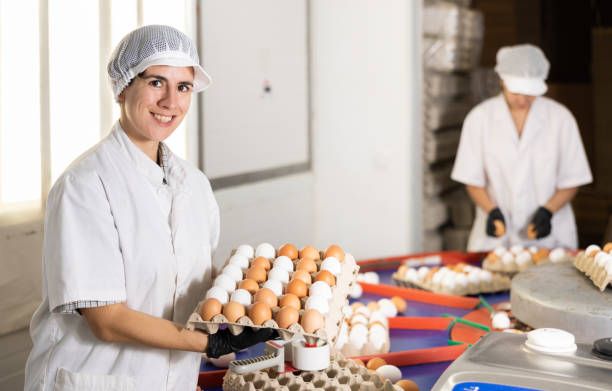
The Easter season brings a massive jump in consumer orders for food factories. Bakeries, confectioners, meat processors, and packaging plants all see rapid order surges. Managing these spikes requires a clear plan for your workforce. Effective seasonal food production hiring makes sure your assembly lines keep moving without dropping product quality or missing delivery dates.
When orders multiply, your existing workforce can quickly get stretched thin. Overtime costs climb, worker fatigue sets in, and safety risks increase. To protect your team and meet client orders, you need extra hands ready to step in. At Chandler Personnel, we help food manufacturers prepare for these short term surges. If you need support with your site staffing, visit our page on Food Production Recruitment to find custom staffing solutions.
Key Takeaways:
- Start your Easter staffing plan 8 to 12 weeks early to secure reliable talent.
- Match shift schedules with actual order timelines to manage labor costs.
- Use fast, simple safety inductions so extra workers start productive work safely.
- Work with specialists to find skilled casual workers when demand spikes suddenly.
Understanding Easter FMCG Staffing Demand
Easter is one of the busiest periods for fast-moving consumer goods (FMCG). The demand rush is not limited to chocolate makers. It affects the entire supply chain, including raw ingredient suppliers, bakeries, co-packers, and distribution centers.
Understanding the specific needs of Easter FMCG staffing helps you plan your workforce before production lines slow down. Here are the main drivers of the Easter surge:
- Increased Batch Production: Bakeries scale up production of hot cross buns and baked goods weeks ahead of the holiday.
- Confectionery Packaging Demands: Chocolate items require custom packaging, assembly, and strict temperature control.
- Seafood and Meat Supply Surges: Fresh food processors see heavy demand right before the holiday weekend.
- Distribution Bottlenecks: Logistics facilities need extra packers to move stock into retail channels on tight schedules.
To handle these surges, you must predict labor needs accurately. Looking at past production data gives you a clear baseline. Compare your current order volume against last year's Easter metrics to calculate exact headcount requirements for each shift.

Building a Timeline for Your Food Manufacturing Workforce
Planning early is the best way to secure reliable labor. Waiting until peak season starts leads to rushed hiring, high turnover, and missed quotas. Managing your food manufacturing workforce requires a structured countdown.
Below is a recommended schedule to guide your hiring efforts ahead of Easter:
- Planning Window | Key Action Steps | Expected Outcome

Starting early makes sure you have enough time to test candidate skills. It also gives extra workers time to get comfortable on your production lines before full volume hits.
Sourcing Qualified Seasonal Process Workers
Finding reliable workers who understand hygiene, safety, and line pacing can be challenging during peak periods. Your goal is to build a talent pipeline of seasonal process workers who can jump into shifts with minimal delay.
When looking for high-performing machinery operators and packers, consider multiple channels:
- Database Search: Re-engage former casual employees who worked with you during previous peak seasons.
- Local Job Portals: Post targeted listings on specialized boards. You can review available talent networks through the Chandler Job Board.
- Recruitment Partners: Partner with a trusted Blue-Collar Recruitment Agency that understands industrial food safety and line requirements.
- Employee Referrals: Ask your best permanent employees to recommend reliable friends or former coworkers.
Pro Tip: Focus your job descriptions on clear expectations. State the exact shift times, physical demands, site locations, and required safety gear up front to filter out unsuitable candidates quickly.
Partnering with a Food Production Temp Agency
When order volumes jump unexpectedly, internal HR teams often struggle to screen and process hundreds of applications. Partnering with an experienced food production temp agency allows your internal leadership to stay focused on daily plant operations.
An agency partner offers several key advantages during high-volume periods:
- Pre-Screened Talent Pools: Agencies maintain lists of vetted process workers, pickers, and machine operators ready for immediate placement.
- Rapid Replacement: If a casual worker calls in sick, an agency can fill the open spot on short notice to keep lines running.
- Payroll and Admin Support: Agencies handle superannuation, tax declarations, candidate checks, and hourly payroll processing.
- Scalability: You can scale headcount up or down based on weekly order changes without long term commitments.
If your production facility needs immediate extra coverage for upcoming order spikes, you can Request Staff Today through Chandler Personnel to secure reliable team members quickly.
Rapid Onboarding and Food Safety Compliance
Getting extra workers up to speed quickly is necessary during short production rushes. However, speed should never come at the cost of food safety standards or site welfare.
To onboard extra hands effectively while maintaining standards:
- Simplify Safety Inductions: Focus inductions on basic safety rules, emergency exits, and personal protective equipment (PPE) guidelines.
- Reinforce Hygiene Regulations: Make sure all new hires understand Good Manufacturing Practice (GMP) standards, handwashing procedures, and hairnet requirements.
- Implement a Buddy System: Pair each new casual worker with an experienced line operator. This provides direct guidance and cuts down on quality errors.
- Use Visual Work Instructions: Post simple visual guides at each workstation showing proper packing methods, portion weights, and assembly steps.
Key Insight: Standardized visual guides at machine stations reduce onboarding times by up to 40 percent. Simple diagrams help temporary staff understand their daily targets without constant supervisor intervention.
Smart Shift Rostering and Labor Cost Control
Labor costs can rise quickly during peak production periods. High overtime spending can burn through your operating margins if shifts are not planned carefully. Managing shift structures helps control total spend while keeping workers rested.
Here is a comparison of common rostering methods used during food manufacturing demand spikes:
- Strategy Type | How It Works | Key Benefits | Potential Drawbacks

When setting up shift patterns, make sure your pay structures follow legal awards and entitlements. You can verify current award rates, weekend penalty rules, and minimum shift lengths on the Fair Work Ombudsman website.
Maintaining Worker Morale and Retention During Peak Spikes
High-stress periods can cause worker burnout if plant managers focus only on speed targets. Keeping team morale high keeps productivity strong and reduces unexpected absenteeism.
Consider these low-cost ways to support your team during the Easter rush:
- Clear Daily Targets: Share production goals at the start of every shift so workers know what success looks like.
- Proper Rest Breaks: Make sure workers take their allocated rest and meal breaks to avoid physical strain.
- Comfortable Facilities: Keep break rooms clean, stocked, and comfortable so staff can refresh between shifts.
- Direct Recognition: Thank line teams verbally at the end of hard shifts when targets are met.
Maintaining a respectful, supportive environment encourages extra workers to return for your next peak season, cutting future recruitment costs.

When should food manufacturers start seasonal food production hiring for Easter?
Most food manufacturing facilities should start planning their Easter recruitment 8 to 12 weeks before the holiday. This timeline leaves enough room for candidate screening, safety inductions, and trial shifts before full production begins.
How can managers maintain food quality with casual workers?
Pairing new workers with experienced line leaders, displaying visual quality guides at workstations, and enforcing simple Good Manufacturing Practice rules helps maintain high product standards.
What is the best way to handle sudden order cancellations after Easter?
Work with a staffing agency to build flexibility into your roster. Using casual employment arrangements allows you to scale down shift numbers smoothly as production volume normalizes.
How do shift penalty rates work during holiday production runs?
Penalty rates depend on the relevant industry award, shift times, and whether work occurs on public holidays. Check legal guidance from official workforce regulators to confirm exact pay rates for extended shifts.
Conclusion
Preparing your plant for the Easter production surge does not have to be stressful. By starting early, setting clear shift schedules, and focusing on practical training, you can meet rising customer demand while keeping operations safe and profitable. Effective seasonal food production hiring makes sure your facility has the extra help needed to hit production targets without overwhelming your core team.
Chandler Personnel is ready to support your facility with dependable, screened workers for your upcoming peak periods. Partnering with a dedicated recruitment team gives you the flexibility to adapt to changing order volumes with confidence.
Need reliable staff for your upcoming Easter production surge? Contact Chandler Personnel today to discuss flexible workforce solutions for your facility. Visit our website or reach out to our team to build your customized peak staffing plan.