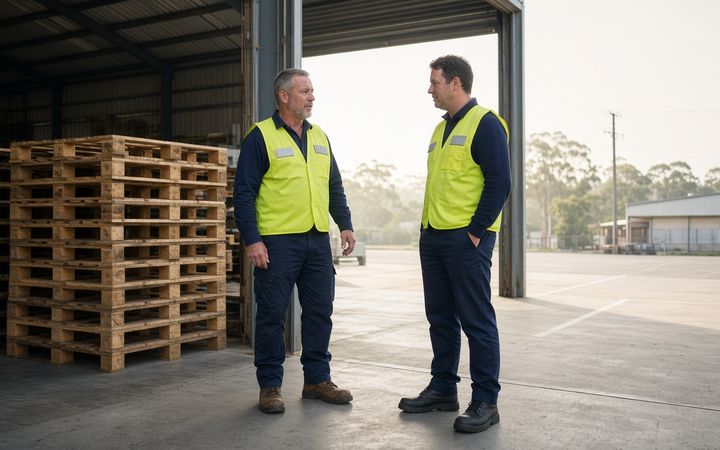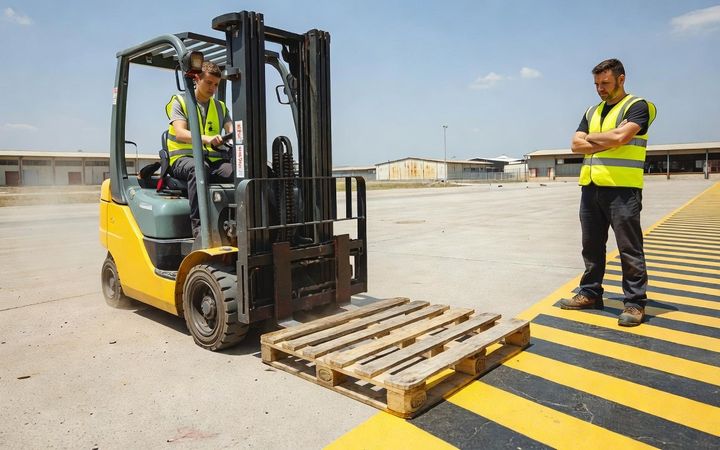

If you want factory jobs on the Gold Coast with no experience, aim at line roles such as packing, sorting, labelling and feeding product onto a line, where a site can train you on its own equipment. What you bring on day one is reliability, honest answers about what you can do, and a willingness to follow the site's safety rules.
This guide is for job seekers. It covers the roles to search for, what employers can fairly expect of a new starter, your safety rights in the first weeks, and how labour hire placements work and are paid.
Entry Level Factory Roles to Search For
Entry level factory work on the Gold Coast is listed under several job titles, so search them all. Each one describes line work that a site can teach:
- Packer: packing finished product into cartons or trays, checking counts and building pallets. Packing jobs on the Gold Coast can suit a first role because the task is repeatable and easy to check.
- Process worker: working at a set station on the line, such as loading, labelling or inspecting product.
- Production worker or factory hand: a general line role that can include moving stock, cleaning down and helping machine operators.
- Quality checker: pulling items that are damaged, short or mislabelled.
Chandler Personnel's page on process worker roles lists typical duties, including checking for defects, following safety procedures, reporting defective products and keeping the worksite clean. The locations it names are in Victoria, but the duties describe the same kind of line work.
What "No Experience" Means to a Factory Employer
"No experience" in an ad means the site expects to train you, not that the job has no standards. A factory worker on the Gold Coast has the same duties as any worker in Queensland.
Under the Work Health and Safety Act 2011, WHSQ's page on workers' rights and responsibilities says you must take reasonable care for your own health and safety, take reasonable care for others affected by what you do or do not do, and follow reasonable health and safety instructions, such as using equipment properly and attending training. It also says it is important to ask for help if you are not sure how to work safely, and to report hazards, unsafe situations and injuries.
The same page lists your rights, including instruction, training and supervision, any necessary safety equipment, and the right to say no to unsafe work. Those duties are the promises you can make in an interview and keep from your first hour. Do not claim skills you do not have. WHSQ says that before a young worker starts, the business must consider their knowledge, assess their ability to work safely and test their competency, and that it is not enough to accept a young worker's word that they are experienced.
Unpaid Trials and Paid Training
Some employers ask for a trial shift. The Fair Work Ombudsman says an unpaid trial may be unlawful if it is not needed to show the skills for the job, runs longer than needed (which could be anywhere from an hour to one shift), involves more than a demonstration of your skills, or you are not directly supervised. Any time beyond what is reasonably needed must be paid at the minimum rate.
Once you are an employee, training is part of the job. The Fair Work Ombudsman says time spent in training is time worked, so a site induction or a lesson on a machine should be paid.
Labour Hire as a Way Into Gold Coast Factories
Some factory roles are filled through labour hire, so a process worker on the Gold Coast may be placed by a provider rather than hired by the factory. In that case the provider is your employer. The Fair Work Ombudsman's guidance on labour hire says the provider hires you, pays you and looks after your entitlements, while you do the work at the host's factory.
If you are engaged as a casual, the Fair Work Ombudsman says your pay should include either a casual loading or a set casual rate, under an award, agreement or contract. Ask the provider which award or agreement covers the work before you start.
Every labour hire provider operating in Queensland needs a licence under the state's scheme, and Labour Hire Licensing Queensland runs a public register that workers can also use to find a licensed provider. To see the same work from the host's side, the guide to factory worker labour hire on the Gold Coast is written for employers and explains how they plan line roles, shifts and day-one induction.
Staying Safe in Your First Weeks
WHSQ says workers are more likely to be injured in the first few months of a new job than once they have been doing it for a while. It encourages supervisors to use a "tell me, show me, watch me" approach: explain the task, show it, then watch you do it and give feedback. If a supervisor skips a step, ask them to show you again.
Ask before your first shift who supplies your PPE. WHSQ says that if PPE is required, the business must provide it to workers free of charge, though payment can sometimes be negotiated, and it gives boots as an example of equipment that can also be used outside work. Wear what the site requires every time, and report damaged PPE.
Factory sheds can be hot in a Queensland summer. WHSQ's heat guidance says workers who have adjusted to the conditions face less heat stress risk, so drink water often in your first hot weeks and tell your supervisor early if you feel unwell.
Getting Your Application Ready
A short, honest resume works for a first factory job. Lead with your availability, how you get to work, any tickets you hold and the reliable habits you can show from school, sport, hospitality or retail. The production worker resume template offers four designs to download and sample sections you can adapt.
If you are open to warehouse shifts as well, the guide to warehouse jobs on the Gold Coast covers the roles, tickets and transport questions for that work. Chandler Personnel works in labour hire and permanent recruitment, and its job board lists current roles. Check the location on each listing, as many of the roles open now are in Victoria.
Related Resources
- Warehouse jobs on the Gold Coast
- Process worker roles
- Production worker resume template
- Current job board
- WHSQ advice for young workers
- Fair Work guidance on unpaid trials
Common Questions About Factory Jobs on the Gold Coast
1. Can I Get a Factory Job on the Gold Coast with No Experience?
Yes. When an ad for a line role such as packer, process worker or factory hand says no experience is needed, the site expects to train you. Show that you are reliable, available for the shifts listed and willing to follow safety instructions. Be honest about what you have and have not done, because the business must check your competency before you start.
2. Do I Have to Do an Unpaid Trial for a Factory Job?
Only a short, supervised demonstration of the skills needed for the job can be unpaid. The Fair Work Ombudsman says that could range from an hour to one shift, depending on the work. Anything longer than needed, or anything beyond showing your skills, must be paid at the minimum rate.
3. Who Pays Me If I Work Through Labour Hire?
The labour hire provider. Under Fair Work guidance the provider is your employer and is responsible for your wages and entitlements, even though the work happens at the host's site. You take direction there, but your pay, payslips and pay questions go through the provider, so keep its contact details handy.
4. Do I Need to Buy My Own Safety Boots?
Ask the employer before your first shift. WHSQ says required PPE must be provided free of charge, but payment can sometimes be negotiated, and it names boots as equipment that can be used outside work. The award or agreement that covers the job can also say who provides PPE.
5. What Should I Put on a Resume with No Factory Experience?
Put your availability, transport and any tickets first, then short examples that show reliability, such as turning up on time for a casual job, a sports team or volunteer work. One or two pages is enough, and a template keeps the layout clean and easy to scan.
Start on the Line, Then Build Skills
A first factory job on the Gold Coast is about reliability more than experience. Search the entry titles, be honest about what you can do, and know your rights on trials, training and PPE. Then keep track of what each site teaches you, because those skills are what your next application will list.