Missing out on a graduate program, or not yet being eligible for one, does not shut you out of food and consumer goods manufacturing, and you can still look at FMCG careers without a graduate program. The alternatives to FMCG graduate programs are real jobs and real training routes: production and process work, warehouse and logistics work, apprenticeships and traineeships, and later on, team leader and supervisor roles.
This guide gives each route one short paragraph and says what it asks of you. Nothing here promises pay, promotion or a destination, and none of these routes is a shortcut into a graduate program. Chandler Personnel does not run, recruit for or place people into any employer's graduate program; apply on each employer's own page.
It is written for final-year students, recent graduates and the parents, advisers and career-changers who help them decide what to do next. Programs, streams and dates change, so confirm each detail on the employer's own page before you apply.
Why a graduate program is not the only way in
A graduate program is a structured entry for people with a recent qualification, and each employer sets its own eligibility rules and intake times. It is one door into the industry, and a food or consumer goods site is much bigger than its graduate intake. Someone has to run the lines, move stock in and out of the warehouse, keep the machines working and lead the shift. Those jobs are recruited as jobs in their own right.
Bega Group is one example of how an employer describes this. According to Bega's career paths page, its career paths include Production Operators, Machine Operators, Automation Engineer, Reliability Engineer, and Electrical and Mechanical Tradesperson roles, and visitors can register their interest to be contacted when opportunities become available. The same page lists the Bega Rise graduate program alongside its other learning options, and invites visitors to join a talent community and sign up for job alerts. That is one employer's page, not a rule for the whole industry.
Which route fits depends on where you are now. You might have missed an intake, not met an eligibility rule yet, still be finishing a course, or want paid work in the industry while you decide. Ask yourself what you want to be doing in a year and what you could start doing this month. The routes below answer different versions of that question.
Production and process work in food and consumer goods plants
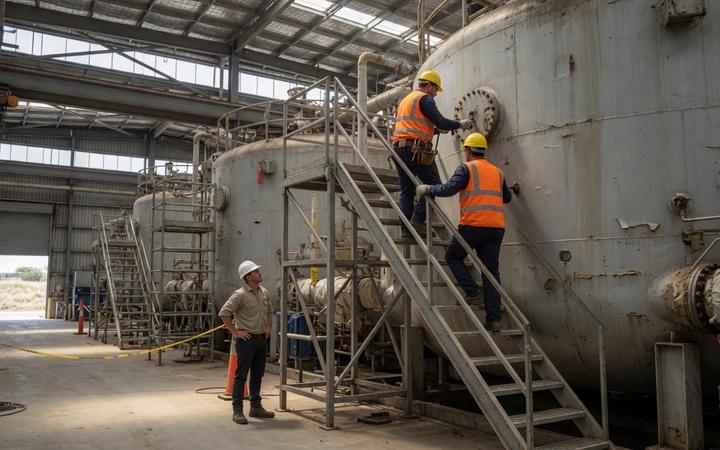
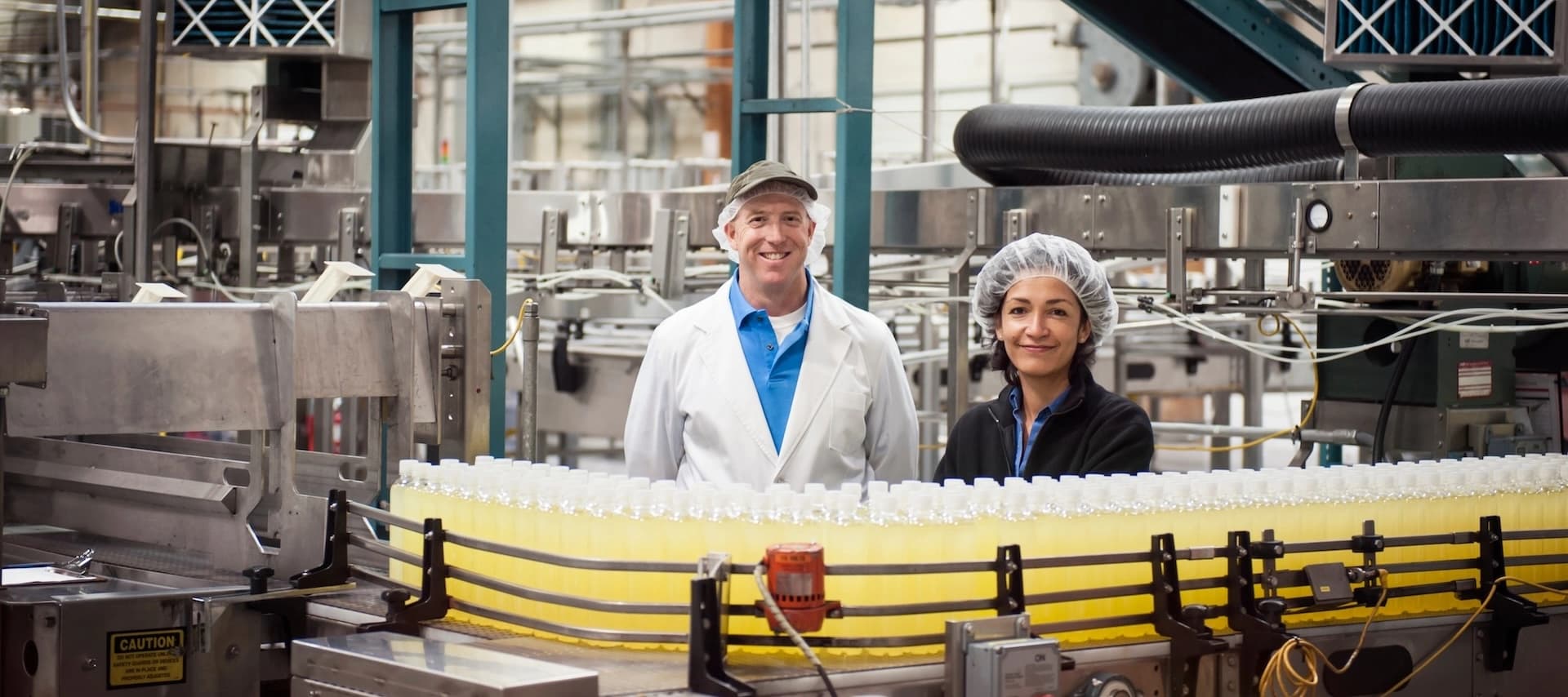
Production and process work is work on the line or in the process area of a plant. Production operators, machine operators and process workers run equipment, check product and keep a shift moving. Bega's career paths page lists Production Operators and Machine Operators among the roles you can register your interest in.
Chandler Personnel is an independent, Melbourne-based blue collar specialist that supplies labour hire and permanent recruitment for food production sites, including process worker roles. What production work asks of you is mostly practical: turning up on time, following safety instructions, working as part of a team and being willing to learn a site's equipment. It is a job in its own right, and it does not come with a promised path to any other role.
Warehouse and logistics work
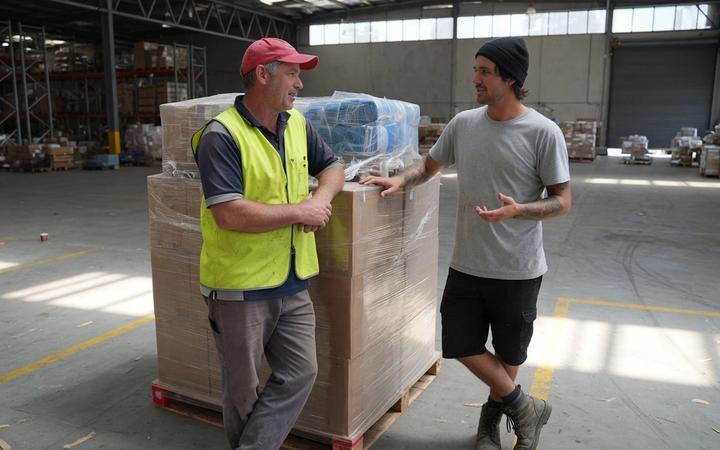
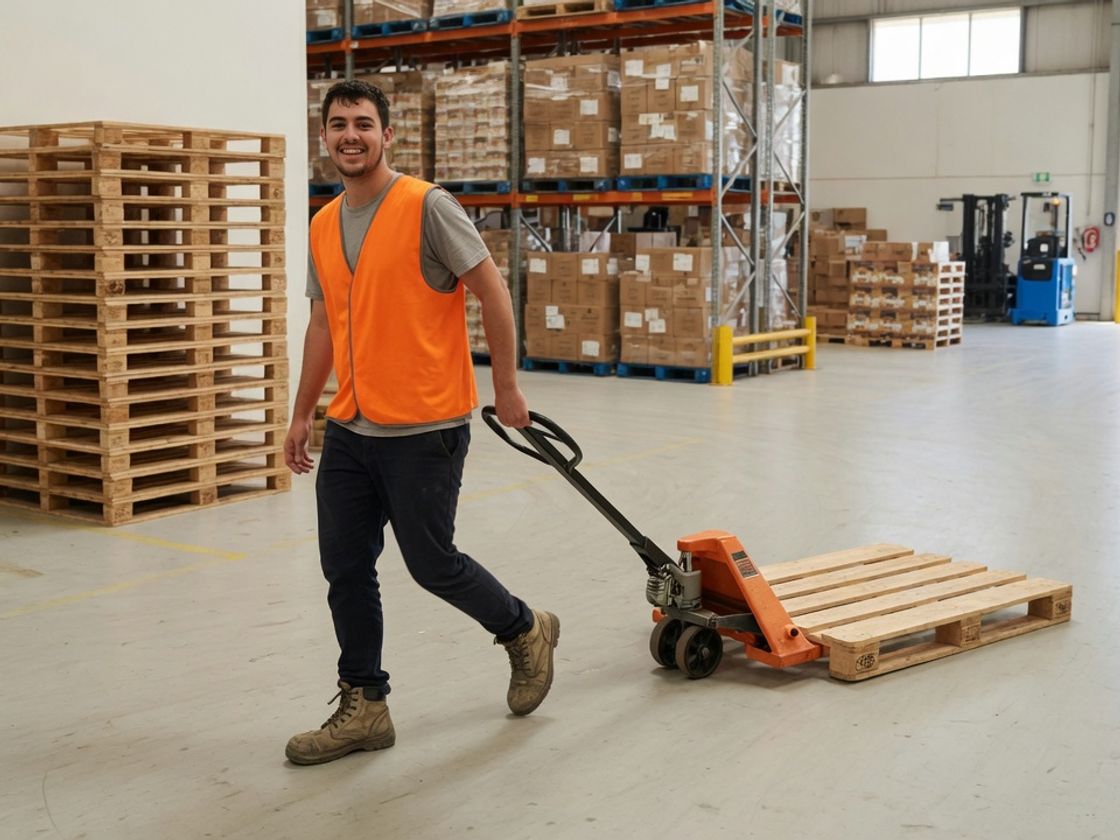
Warehouse and logistics work is the movement side of the same industry. Typical tasks include receiving stock, picking and packing orders, driving forklifts and trucks, and keeping inventory records accurate. Some tasks need a licence, so check what a role asks for before you apply.
The same labour hire and permanent recruitment service covers warehouse and logistics work, with offices in Melbourne CBD, Brisbane and Adelaide and a presence in NSW. A warehouse floor shows you how stock moves through a site, so you can see for yourself whether logistics work suits you. It is a job in its own right, not a step into a graduate program.
Apprenticeships and traineeships through a group training organisation
An apprenticeship or traineeship is a different kind of entry, because it combines paid work with study. According to the Australian Apprenticeships website, an apprenticeship or traineeship helps you earn while you learn by combining work for an employer with study that leads to a formal qualification.
Chandler GTO offers group training apprenticeships and traineeships as part of the business's education and training services. For anything beyond the earn-while-you-learn definition, such as how long a program runs, what it pays or what support is available, ask the group training organisation and the employer, and read the Australian Apprenticeships page. Those details change, so check them at the source before you plan around them.
There is a separate article on apprenticeships in blue collar careers if you want the wider picture of how apprenticeships fit into hands-on work.
Moving up to team leader and supervisor roles
Bega's career paths page describes an Inside First approach to growing its people. The page says Bega stretches its people in "first time challenges" and lists the Bega Accredited Coach program and ongoing Talent and Succession Planning among its learning options. It does not mention supervisor roles, or say how often people move up or how long it takes, so treat the move from production worker to supervisor as something that looks different at each employer.
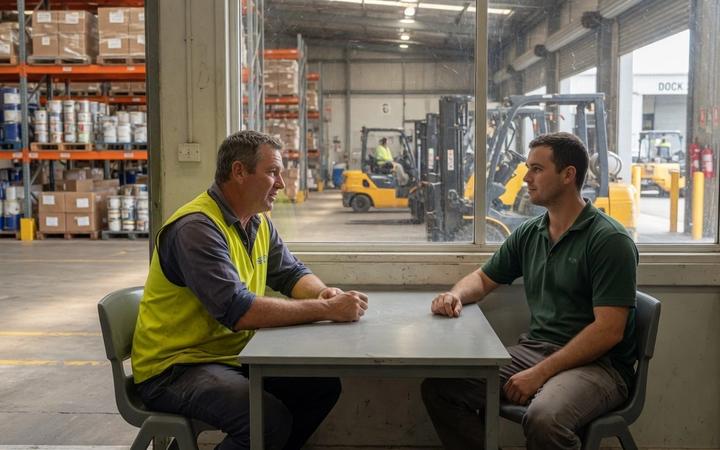
Steps, timeframes, pay and qualifications for leading a team differ between employers and sites. A practical habit is to ask any employer you work for what leading a team looks like there and what it expects of the people who do it. For the wider picture, there is a separate article on leadership in blue collar roles.
Related Resources
- Bega's career paths
- About Australian Apprenticeships
- Group training apprenticeships and traineeships
- Process worker roles
- Warehousing and logistics work
- Apprenticeships in blue collar careers
- Leadership in blue collar roles
Common Questions About Routes Into FMCG Without a Graduate Program
1. Can I get into FMCG without a graduate program?
Some employers list production operator, machine operator and trade roles on their own career pages. Bega's career paths page is one example, listing Production Operators, Machine Operators and tradesperson roles that visitors can register interest in. No page promises a job or a pay level, so read the employer's own page and its current vacancies before you decide.
2. Can I apply for a graduate program later?
That depends on each employer's eligibility rules and intake times, which are set on its own page and can change. If you are inside an employer's eligibility window, you can still apply later. Chandler Personnel does not run, recruit for or place people into any employer's graduate program; apply on each employer's own page.
3. Do production workers become supervisors?
It depends on the employer, and nothing guarantees it. Bega's career paths page describes an Inside First approach to growing its people but does not say how often or how fast production staff move into supervisor roles. Ask any employer what leading a team looks like on its site and what it expects of the people who do it.
4. What is a traineeship?
The Australian Apprenticeships website describes an apprenticeship or traineeship as a way to earn while you learn: you work for an employer and study towards a formal qualification. Length, pay and support depend on the program, so ask the group training organisation and the employer, and read the Australian Apprenticeships page.
5. Is warehouse work a way into logistics careers?
Warehouse work is logistics work: it involves receiving, storing, picking and recording stock. It is a fair way to find out whether you like the field. Where it leads depends on you and the employer, and no particular path is promised, so ask what other roles exist on the site you work at.
The Graduate Program Is One Door of Several
Production, warehouse, apprenticeship and supervisor routes are all real ways into food and consumer goods manufacturing, and each asks something different of you. Pick the one that fits where you are now, then read the employer's own page for the details that matter. If you are inside an employer's eligibility window, you can still apply to a graduate program later. Start today by choosing one employer you would like to work for and reading its career paths or graduate page.