Succession planning for tradespeople means deciding, before an experienced person leaves, who can do their work, what they know that is not written down and who covers the gap in between. It matters most for roles that would stop production, put people at risk or take a long time to fill. This guide is for plant and workshop owners and managers who rely on a handful of maintenance fitters, electricians and key operators.
People leave for many reasons, including retirement, a better offer, illness or a move, so the plan starts from the role and not from anyone's age. Jobs and Skills Australia is the place to start for national workforce data, but national data cannot tell you which of your own people hold a role you could not replace.
Find the roles that would stop production if someone left
The business.gov.au workforce planning guide tells employers to pay close attention to hard-to-replace roles, because they are workforce risks that could interrupt the business if someone leaves unexpectedly. In a plant or workshop, three questions find them.
- Production. If this person were away tomorrow, would a line, a machine or a job stop?
- Safety. Would an unqualified person doing this work put themselves or others at risk?
- Replacement time. Would the role take a long time to fill, given the licence, qualification or knowledge of your equipment it needs?
A role where the answer to any of these questions is yes belongs on your critical role succession plan, and roles with a yes to two or three come first on the list. That is a rule of thumb, not a standard. Include roles you do yourself as the owner, because business.gov.au lists planning for someone to take over, including roles currently done by the owner, among the ways to fill a gap.
A row with one name on it in a skills matrix is the first candidate. The post on a skills matrix for manufacturing and warehouse teams shows how to see who covers whom.
Rate exit risk through conversations, not assumptions
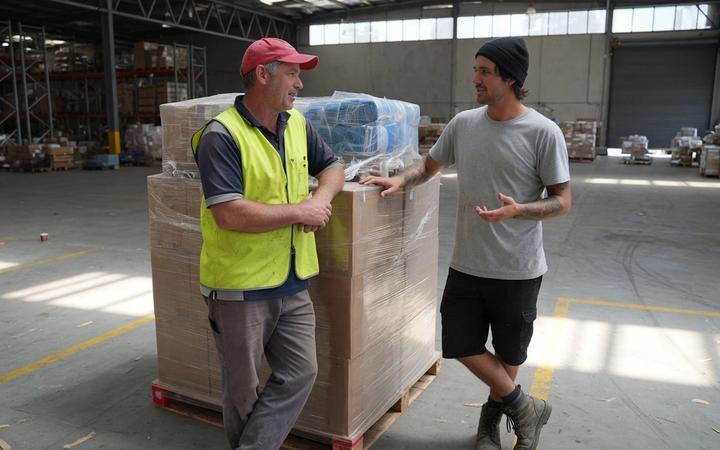
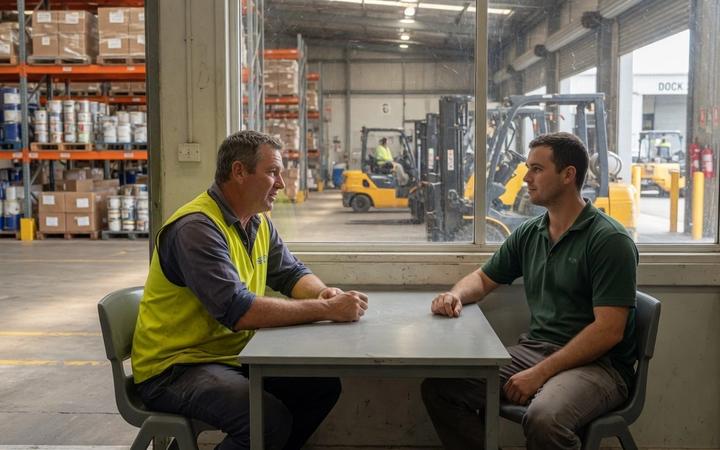
The most direct way to learn what someone plans is to ask them. Hold a private, unhurried conversation with each person in a critical role, and repeat it on a regular schedule, not only when a rumour starts. Open questions work best:
- What do you want your working life to look like over the next few years?
- What would make you stay longer, and what might make you leave?
Write down what you heard and rate each critical role low, medium or high for exit risk, with the date. A critical role rated medium or high is where you start. One caution: do not assume anything from a person's age, and take advice from an employment adviser if you are unsure how to raise the subject.
Capture the know-how before it walks out the gate
In a trade or key operator role, much of the value sits in what the person knows about your equipment. Knowledge transfer for retiring tradespeople, or for anyone leaving, works best spread over months, not squeezed into a final fortnight. Three tools do most of the work.
- Job instructions. Step-by-step sheets for the jobs only this person does, with photos, settings and the checks they make without thinking.
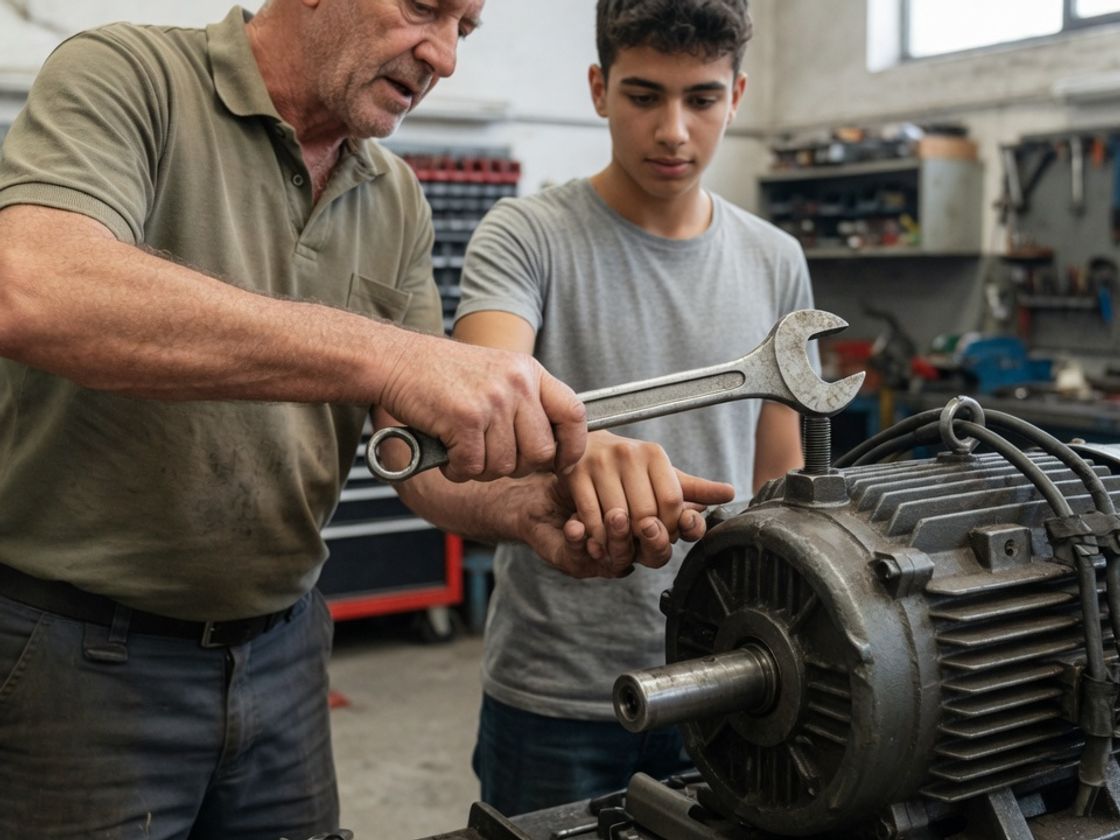
- Shadowing. The successor works alongside the experienced person through a full job cycle, including a breakdown, not just a quiet week. Keep a person who is shadowing off licensed or regulated work until they hold what the task requires.
- Machine notes. A history sheet for each machine: its quirks, usual faults, fixes that worked, spare parts and who to call.
Ask the experienced person to review the draft instructions, because gaps show up when someone else follows them. For how to run a structured programme around this, see the post on setting up mentorship programs in manufacturing.
Build the successor pipeline: apprentices, upskilled operators and hired trades
No single path suits every role, so succession planning in manufacturing can draw on a mix of the three options below.
- Apprentices. An apprentice is a pipeline for the future, not cover for next month, and the timeline depends on the trade.
- Upskilled operators. business.gov.au notes that training an existing employee may cost less than hiring someone new. Choose operators who already work beside the task and show aptitude.
- Hired trades. When the skill is not in the building, hire it in.
Apprentices and the group training option
The Victorian government's guide to hiring apprentices and trainees in Victoria says an employer's role includes on-the-job training, a safe workplace and supervision, and that apprentices need to be supervised by a good role model with the right qualifications and skills. Your experienced tradesperson is often that person, so the pipeline and the know-how capture become one job.
The guide also describes the group training option: a Group Training Organisation is the legal employer and manages the training contract and paperwork, while you supervise and provide on-the-job experience. If you want to look at that option, Chandler GTO apprenticeships and traineeships are on offer. How many apprentices to take on is a sizing question that depends on trade headcount, expected exits and supervision capacity.
Hiring a trade from outside
For a role you cannot grow in time, permanent recruitment and the trades and services recruitment page are the places to start. The post on why skilled trades are hard to recruit sets out the market pressures, and the post on the maintenance electrician shortage in Melbourne looks at one role in detail.
Plan interim cover while a successor builds experience
A successor will not be ready on the day the experienced person leaves, so plan the gap. business.gov.au lists contractors and temporary staff among the options for filling a gap, and notes that contractors can help with short-term or uncertain needs. Trades labour hire is one way to do that, and Chandler Services is Chandler Personnel's labour hire division. Interim cover works better when the groundwork is done first:
- Handover pack. Give the cover worker the job instructions and machine notes you captured.
- Overlap. Where you can, have the experienced person and the cover worker on site together for part of the handover.
- Site induction. Every cover worker needs your site rules and hazards explained, and Chandler Personnel runs site inductions on behalf of clients.
- Licence and qualification checks. Check any licence or trade qualification on the issuing register before the worker starts regulated work.
Review the succession map twice a year
Keep the plan on one page, with a row for each critical role:
- Role and holder. Include roles you do yourself.
- Exit-risk rating. From the latest conversation, with the date.
- Successor path. A named person, a pipeline option or "none yet", plus whether the know-how is captured.
- Interim cover. Who or what covers the gap, and the next review date.
business.gov.au says to review a workforce plan every 6 to 12 months and when something changes, for example when someone leaves. For critical trade roles, twice a year is a practical rhythm. Staff turnover planning, which forecasts leavers across the whole site, is a separate job from this role-level map.
Related Resources
- business.gov.au workforce planning guide
- Hiring apprentices and trainees in Victoria
- Trades and services recruitment
- Permanent recruitment
- Setting up mentorship programs
Frequently Asked Questions
What is succession planning for tradespeople?
It is planning for who will do an experienced person's work when they leave. You identify the roles that would stop production, learn about exit plans through conversations, capture what the person knows, build a successor pipeline and arrange interim cover. It applies to owner-run roles as well.
How do I find out when an experienced tradesperson plans to retire?
Ask them, in a private conversation, and repeat it on a regular schedule. Use open questions about what they want from the next few years, and write down what you hear. Do not guess from age. If you are unsure how to raise the topic, take advice from an employment adviser first.
How do I capture the knowledge of a long-serving maintenance fitter or electrician?
Use job instructions with photos and settings, shadowing through a full job cycle including a breakdown, and a notes sheet for each machine. Ask the experienced person to review each draft. Start while they are still on site and spread the work over months.
How long does it take to develop a successor for a skilled trade role?
It varies by role, so there is no single answer. Set the timeline from your own training history: how long it took your last person to work alone on that job, and what slowed them down. Use that to decide when to start.
Can labour hire cover a critical trade role while I find a permanent successor?
It can suit a short-term or uncertain gap: business.gov.au lists contractors or temporary staff among the options for filling a gap, and says contractors can help with short-term or uncertain needs. Give the cover worker your job instructions and a site induction, and check any licence or qualification on the issuing register. Cover suits the gap; a permanent successor still needs a pipeline.
Name the successor before the farewell
A succession plan for tradespeople starts with a short list of roles the plant cannot run without. For each one, hold an open conversation, write down what the person knows, choose a successor path and line up interim cover. Do this before a resignation letter forces the issue. When you are ready to cover a critical trade role, you can request staff from Chandler Personnel.