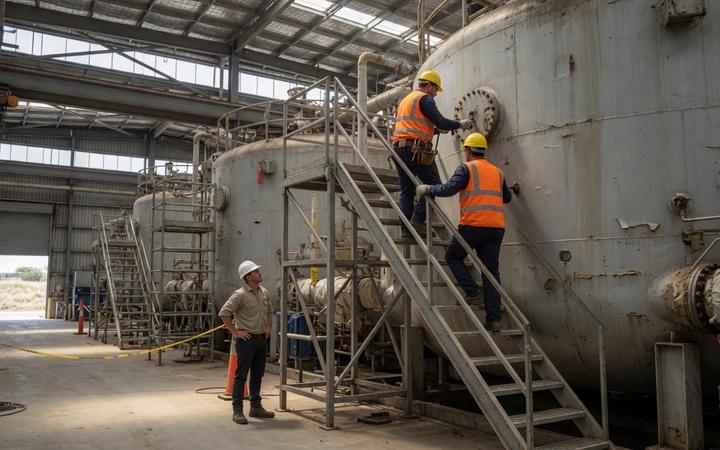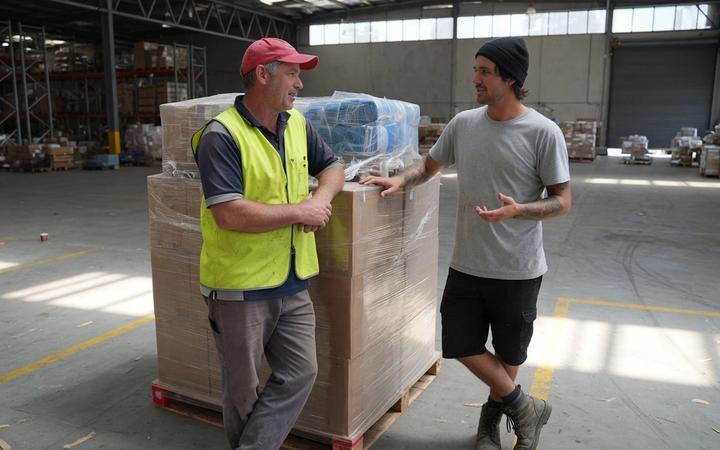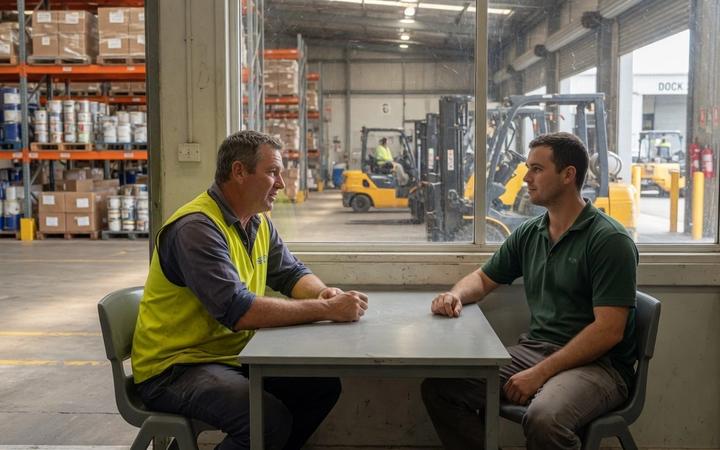
A labour hire site visit is a chance for a provider to see your workplace before its worker arrives for a first shift. If a provider has asked to visit, arrive with the information ready. This guide is the host's side of that conversation: what to tell the provider, what to open up, who supplies what and who does what if something goes wrong.
It is written for plant, warehouse and trades managers in Melbourne, and it covers only what WorkSafe Victoria says a host does. Chandler Personnel is an independent, Melbourne-based blue collar specialist that supplies manufacturing labour hire and runs site inductions on behalf of clients, but the preparation below applies whichever provider you use.
Why the visit and the information pack come before the first shift
According to WorkSafe Victoria's guidance for hosts, a host employer is taken to be the employer of a labour hire worker under the Occupational Health and Safety Act, and owes that worker the same duties as any other employee. WorkSafe adds that no contract can exclude the host or the provider from their legal obligations to provide a safe place of work. The provider carries duties too, so the two of you share them.
That sharing is the reason for the visit. WorkSafe's page on the duty to consult, cooperate and coordinate says the duty is designed to stop each party assuming the other is taking care of a safety matter. It says consultation should begin before the worker is placed and continue for the length of the arrangement.
The visit may also be called a labour hire provider site assessment or a pre-placement workplace assessment. Whatever it is called, this guide covers only what WorkSafe says a host does.
Induction is a separate step that follows the visit, and the time and admin it takes is covered in a post on the cost of induction admin. Licensing is separate too: check the provider on the Labour Hire Licence Register before it sets foot on site.
What to tell the provider about the work and the hazards
WorkSafe lists "detailed information about the nature of work to be carried out, associated hazards and risk control measures" as the first way a host works with a provider. A line such as "general warehouse duties" tells the provider very little. The pack below is a suggested shape built from the items WorkSafe names.
- The job and its tasks. Describe what the worker will do shift to shift. WorkSafe lists defining the job, tasks or role among a host's duties.
- The hazards. List the ones that apply on your site, such as moving plant, traffic, manual handling, noise or chemicals, and say where each one sits.
- The control measures. For each hazard, say what is in place and who is responsible. WorkSafe says consultation should cover risk control measures and who is responsible for each.
- What you will not change without talking first. WorkSafe says a host should not change the worker's tasks or location without consulting the provider and the worker.
If your work involves racking, its condition is one hazard you may want to cover, and Chandler Personnel has a post on pallet racking inspection in Victoria. Write the pack once, send it before the visit and keep a copy. WorkSafe says consultation should involve documenting what is expected of each party, and a written pack gives that record a start.
What to open up: health and safety system information and the workplace
Two more items on WorkSafe's list are accessing health and safety system information and supporting requests to visit the workplace. WorkSafe's description of cooperation shows what that looks like:
- Access to the workplace. The provider gets reasonable access where it relates to its own safety duties. Walk the areas the worker will use, including the routes in and out.
- Access to your policies and procedures. The provider gets reasonable access to your health and safety policies and procedures. Decide in advance which documents you will hand over.
- A named contact. WorkSafe lists a nominated contact for health and safety matters related to the labour hire workers. Tell the provider who that is.
It also helps to name your health and safety representative, if you have one, and the person responsible for health and safety in the business. WorkSafe lists introducing labour hire workers to both as part of encouraging them to take part in consultation. Both names belong in the agency worker site safety information you hand over.
Equipment, PPE and who supplies what
This is an item to agree rather than assume. WorkSafe lists making sure there is the necessary equipment to do the job safely, such as personal protective equipment, among a host's duties. It also lists consulting with the provider on who will provide it. Do not assume the answer either way. A short written list is enough:
- The PPE each task needs. Name items by task, because the requirement can change from one area to the next.
- Who supplies and replaces each item. Host, provider or worker, agreed and written down, including how a worker asks for a replacement.
- Other equipment. Include anything the worker uses that is not PPE. WorkSafe lists making sure equipment brought into the workplace is safe among a host's duties.
Your own quality or site rules may set further requirements, so mention those too.
Incident roles, contacts and review dates
WorkSafe says host and provider should consult on the role of each duty holder in responding to an incident. In practice that means agreeing who calls whom and who looks after the worker.
Notification needs its own line. WorkSafe says the duty to notify it of a notifiable incident stays with the employer or self-employed person who has management and control of the workplace. In labour hire it is likely to be the host, and WorkSafe recommends the two parties confirm that through consultation. The wider list of which duties sit with the host is in a post on who carries safety duties for labour hire workers in Victoria.
Last, agree when you will look at all of this again. WorkSafe describes reviewing risk control measures, particularly if the nature of the roles or the workplace changes. A separate guide covers changing a worker's tasks mid-placement. For the visit, put a review date in the diary and name the events that would bring it forward.
Related Resources
- WorkSafe Victoria guidance for hosts
- Duty to consult, cooperate and coordinate
- Who carries safety duties
- The cost of induction admin
- OHS scorecard
- Manufacturing labour hire
- Request staff
Common Questions About Preparing for a Labour Hire Site Visit
1. Should I support a provider's request to visit my site?
Yes, in general. WorkSafe lists supporting requests to visit the workplace among the ways a host works with a provider. It describes cooperation as responding as soon as possible to reasonable requests. If the timing or access is a problem, say so and offer an alternative rather than leaving the request unanswered.
2. What information should I give the provider about hazards?
WorkSafe names detailed information about the nature of the work, the associated hazards and the risk control measures. Describe the tasks, list the hazards in the areas the worker will use, and say what controls are in place and who is responsible for each. Put it in writing and keep a copy.
3. Who provides PPE for an agency worker?
It is something to agree, not assume. WorkSafe lists making sure the necessary equipment is available, such as PPE, among a host's duties, and also lists consulting with the provider on who will provide it. Settle it item by item before the first shift, and write down who replaces anything that wears out.
4. Who tells WorkSafe if there is a notifiable incident?
WorkSafe says the duty sits with the employer or self-employed person who has management and control of the workplace, which in labour hire is likely to be the host. It recommends that host and provider confirm this through consultation. Confirm it in writing before the first shift so nobody is working it out during an incident.
5. When should we revisit what we agreed with the provider?
WorkSafe describes reviewing risk control measures, particularly if there are changes to the nature of the roles or the workplace, and says consultation is ongoing throughout the arrangement. Agree a review date of your own, and treat a new work area or changed role as a reason to meet sooner.
Open the Gate Before the First Shift
A good labour hire site visit is short because the host has done the thinking already: the work described, the hazards listed, the controls assigned, the equipment settled and the incident roles agreed. Check the provider on the Labour Hire Licence Register, then book the visit. When you are ready to line up workers, request staff from Chandler Personnel and bring the pack to the first conversation.