A good goods receiving process catches the wrong quantity, the damaged carton and the unreadable label at the dock door, before the stock reaches the system. This guide is for supervisors of Victorian warehouses who have to train a receiving crew this month. It sets out the checks in the order the crew works, how to record a delivery that arrives short or damaged, and who should be allowed to sign for stock. The safety points come from WorkSafe Victoria.
What the dock crew must settle before stock is signed in
Inbound receiving is the point where a supplier's or carrier's mistake can still be caught before it becomes your own stock error. If the paperwork is signed clean, it can be harder to show later that a carton arrived crushed or a pallet arrived short. So the crew settles three things first:
- What was ordered. The purchase order or booking.
- What the supplier says is on the truck. The delivery docket.
- What is physically there. The count, the condition and the labels.
Any difference between the three is a receiving exception, and it gets written down at the dock. Theft and stock loss during busy periods are covered in the post on peak season warehouse security. Truck scheduling is covered in a separate post on dock booking and driver wait times, so this guide starts when the truck is at the door.
A goods receiving process checklist in the order the crew works
A goods in checklist works because the order never changes when the crew is receiving warehouse stock. The same checks run in the same sequence for every delivery, whoever is on shift.
Before the truck is opened
- Match the booking. Check the supplier, the purchase order number and the number of pallets expected.
- Look at the load. Note a broken seal, a leaning stack or wet wrap before anything comes off.
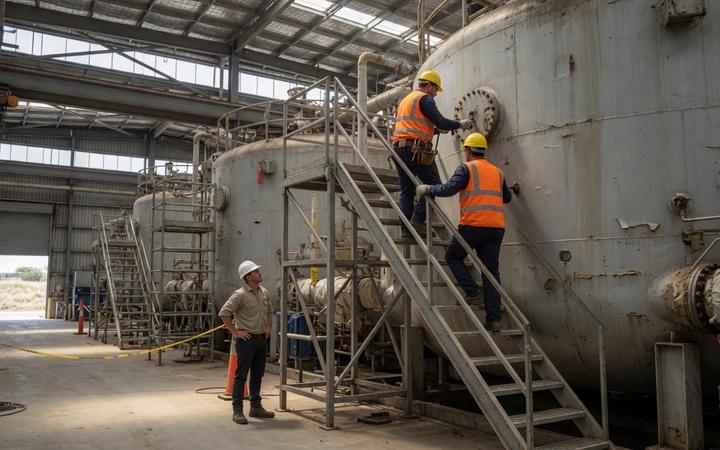
Keep people clear while the truck is unloaded. According to WorkSafe Victoria's forklift guidance, operating procedures for loading and unloading areas should keep pedestrians out, and drivers should wait in a driver safety zone with fixed barriers where they can see their truck being unloaded. WorkSafe's injury hotspots guidance lists, as an example policy, that drivers do not drive away during the loading and unloading process.
At the pallet
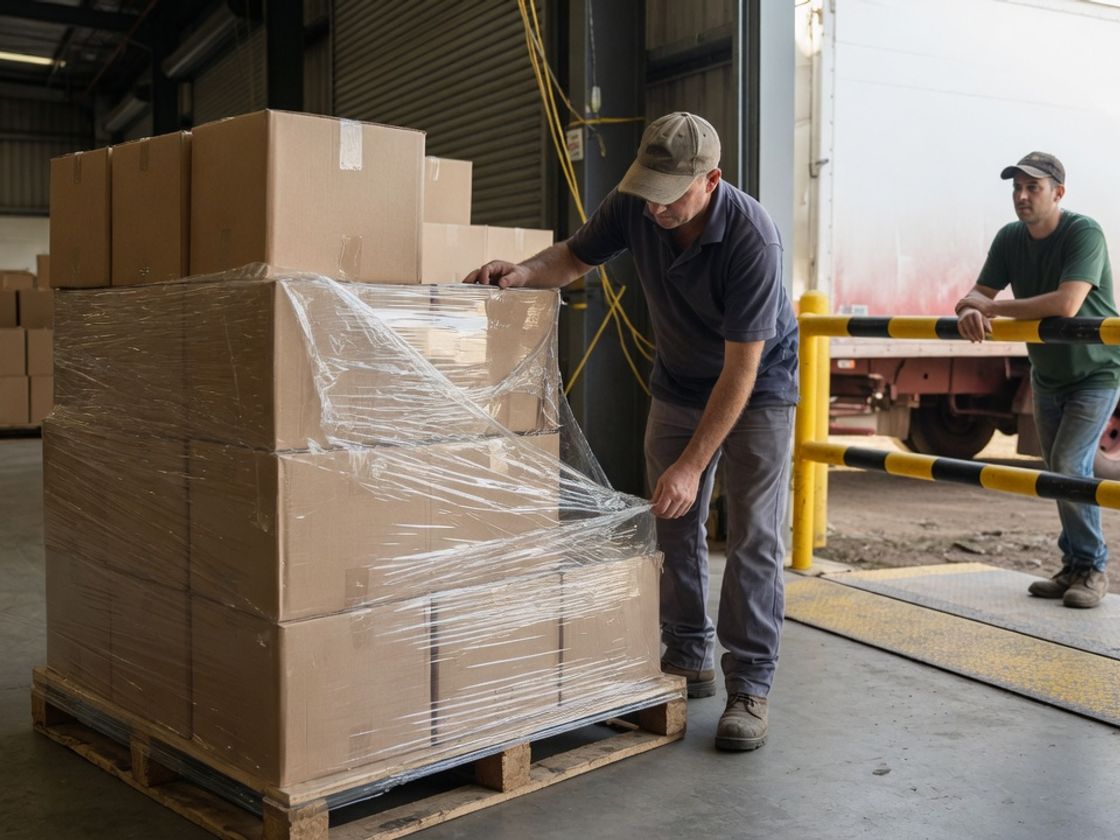
- Count. Count cartons or units on each pallet. Do not just read the docket quantity back.
- Check the unit of measure. Cases, inners and single units are easy to confuse.
- Inspect for damage. Look for crushed corners, torn wrap, leaks and tilted loads.
- Read the label. The item code must match the order and the barcode must scan.
- Record the date code where the product is date-marked. Stock rotation is covered in a separate guide.
The GS1 Australia barcode checklist for suppliers lists what keeps a barcode readable: adequate quiet zones, contrast between the bars and the background, and no shrink-wrap, tape or printing over the code. A receiver who finds a label that fails those points should record it as a receiving exception. The checklist is written for whoever prints the code, so the receiving rule is yours to set.
Before putaway
- Reconcile. Compare the count with the docket and the order.
- Annotate. Write every difference on the docket in plain words.
- Sign. Only a trained signer signs.
Record damage and shortages on the spot
Write the problem on the delivery paperwork before the driver leaves, photograph any damage, and tell the supervisor straight away. Memory is not a record. Check your supply agreement or the carrier's terms for how long you have to report a problem, because that window differs between suppliers.
Here is an example with illustrative numbers. The docket shows 40 cartons on a pallet. The receiver counts 36, and 3 of the 36 have crushed corners. The note on the docket reads: 36 received, 4 short, 3 damaged, photographed.
The driver sees the note, and the receiver tells the shift supervisor, who tells the buyer. The 33 undamaged cartons are accepted. The 3 damaged cartons go on hold for damage in a marked area until the supervisor decides what to do with them. The 4 missing cartons are logged as short-shipped against the order.
Who should be trained to sign for stock
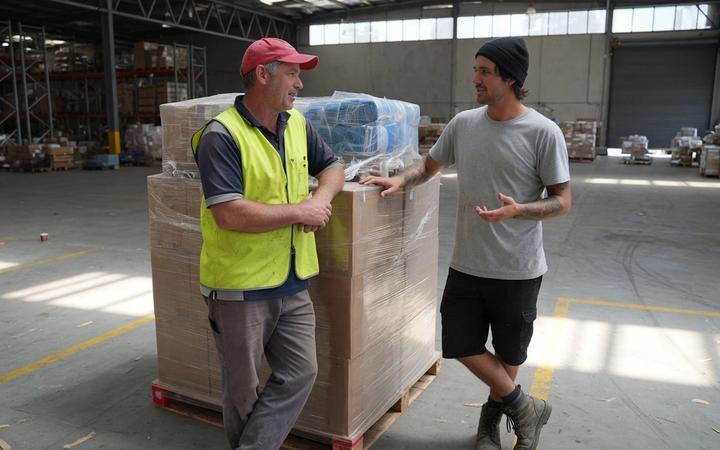
Signing is a decision, so keep a short list of named signers. Each one is shown the routine, watches several deliveries, then receives under supervision before signing alone. Receiving crew training covers the three-way match, the damage and label checks, who to tell about an exception, and the status codes your system uses.
Counting and checking can be done by a wider group. Casual and labour hire general labourers can do it once they are shown the checklist, with a named signer approving the paperwork. Chandler Personnel runs site inductions on behalf of clients, so a client can ask the provider to cover the receiving routine in the site induction. When the dock needs extra hands, Chandler Services, the labour hire division, is one option: see warehouse labour hire in Victoria, or the warehousing and logistics page for the wider service.
Hand the stock to putaway with its status
The pallet should not leave the dock until three things are settled:
- Status. Accepted, on hold for damage, or short-shipped. Accepted means counted, undamaged and carrying a readable label.
- Location. The putaway location, or the hold area for anything not accepted, written on a tag on the pallet.
- Record. The receipt is updated in the system before the pallet leaves the dock, so the record tells the next person what is there.
What happens to stock after putaway is covered in a separate guide on inventory accuracy, and the schedule for checking it again in a separate guide on cycle counting.
Related Resources
- Warehousing and logistics staffing
- Warehouse labour hire in Victoria
- Peak season warehouse security
- Dock booking and driver wait times
- General labourers
- WorkSafe forklift guidance
- GS1 Australia barcode checklist
Common Questions About the Goods Receiving Process
1. What should be checked when goods arrive at a warehouse?
Check the quantity against the docket and the order, the condition of the packaging and goods, the label and unit of measure, and the date code where the product is date-marked. Write any difference on the paperwork before the driver leaves, then give the stock a status before it moves to putaway.
2. What is the difference between blind receiving and receiving against the docket?
When receiving against the docket, the crew sees the supplier's quantity and confirms it. In blind receiving, the crew counts without seeing that quantity, and the difference is found afterwards. Blind receiving removes the pull to agree with the docket but takes more work when counts differ. Pick one method per supplier and write it into the routine. Whichever method you pick, the crew still counts the pallet.
3. How do I train a casual to receive stock accurately?
Walk them through the checklist at the real dock, show them the label scan and the unit of measure, and let them count a few deliveries beside a trained signer. Ask the provider to cover the receiving routine in the site induction. Keep sign-off with your named signers until the casual has shown they can follow the routine.
4. What should I do when a delivery arrives damaged or short?
Count carefully, then write the shortage and damage on the docket before the driver leaves, and photograph the damage. Tell the supervisor, put damaged stock on hold in a marked area, and log missing quantities against the order. Check the supplier's or carrier's terms for how long you have to report a problem.
5. Who should be allowed to sign for a delivery?
Only named people who have been trained on the routine and watched receiving under supervision. Keep the list short and displayed at the dock. Everyone else can count and check, but a named signer approves the paperwork. Review the list when people leave or change roles.
Catch the error at the door
An error that gets past the dock stays in the stock record until someone finds it. Put your checklist on one page in the order the crew works, from the booking check to the status tag. Name your signers and brief each casual on the routine in their induction. Then walk the next delivery through the checklist with the whole crew watching.